Does the Sun appear white when viewed from space?
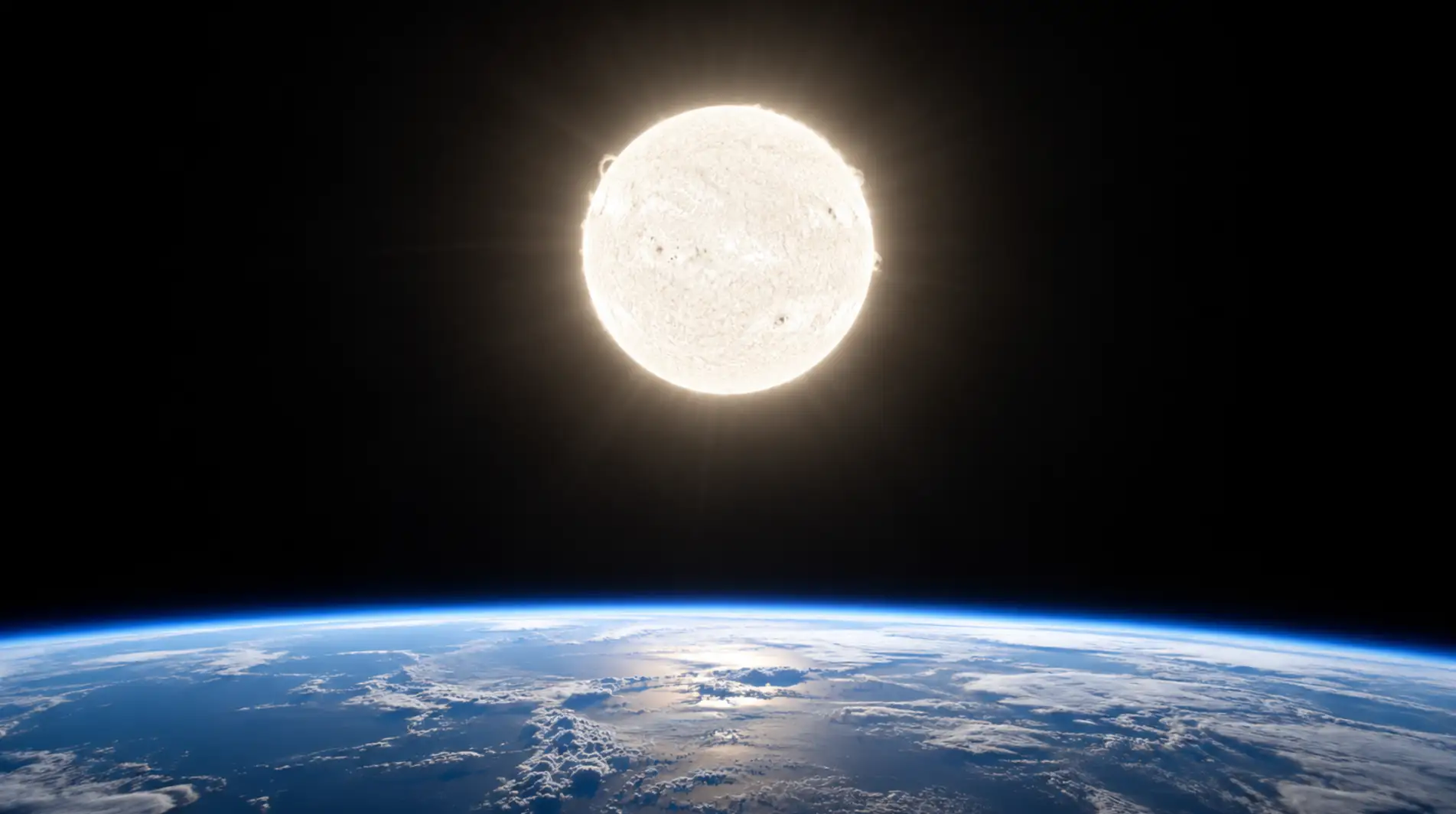
Yes. The Sun's mixture of visible wavelengths appears white. Earth's atmosphere can make it look yellow, orange or red, especially near sunrise and sunset.
65 recent checks in this topic

Yes. The Sun's mixture of visible wavelengths appears white. Earth's atmosphere can make it look yellow, orange or red, especially near sunrise and sunset.

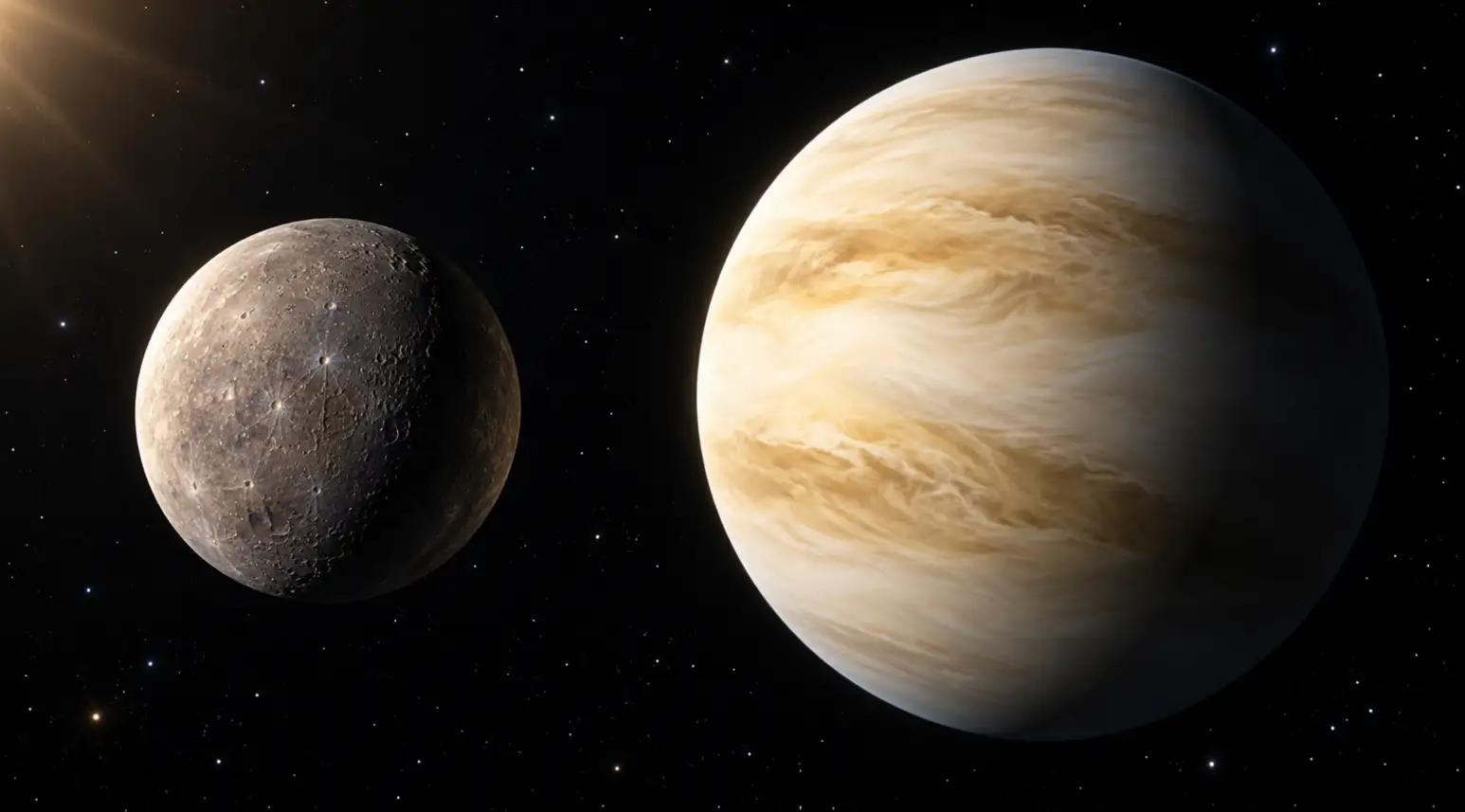
No. Venus is hotter despite being farther from the Sun. Its dense atmosphere traps heat, while Mercury has extreme differences between daytime and nighttime temperatures.

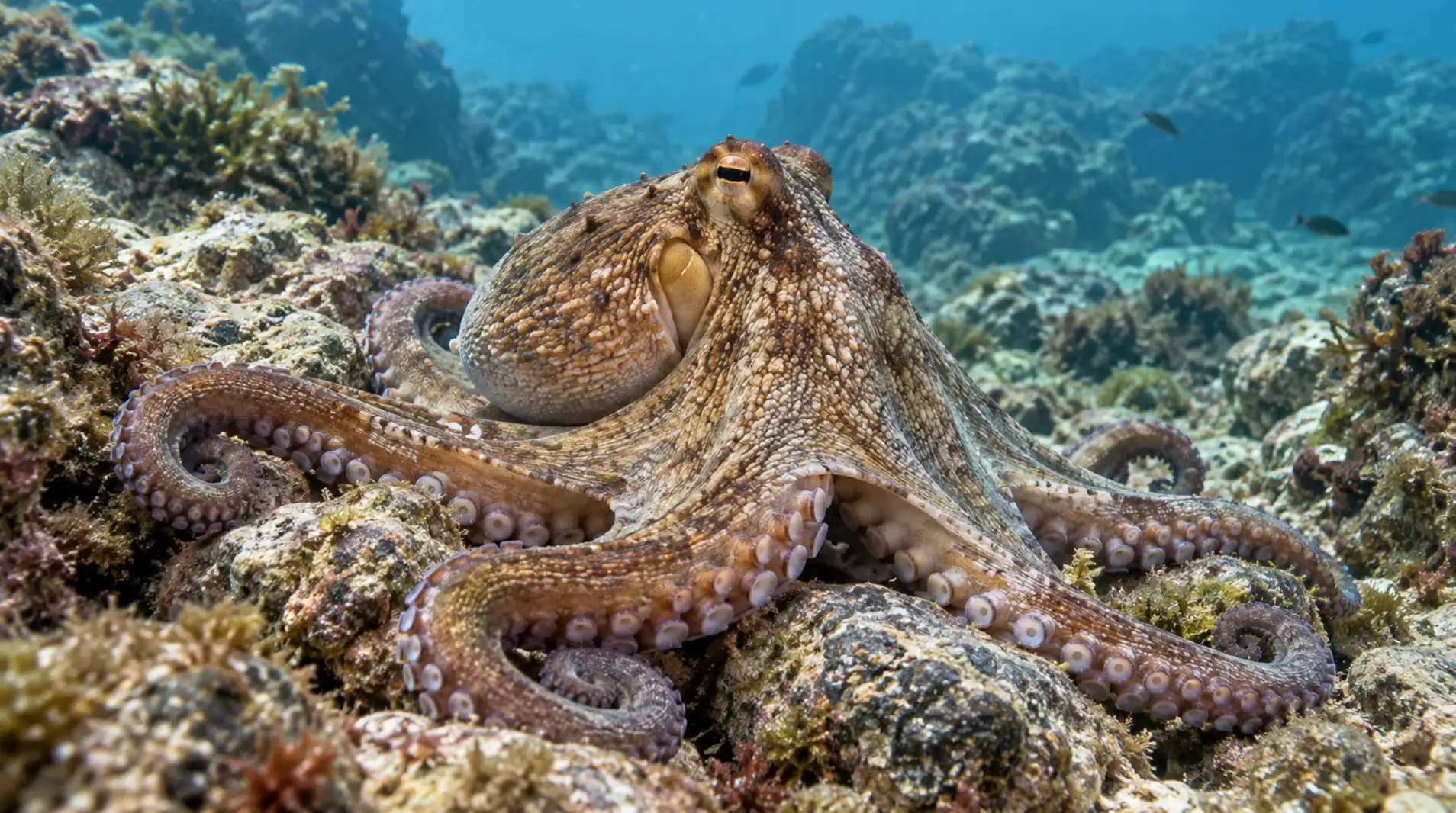
Yes. Two hearts pump blood through the gills, while a third circulates it through the rest of the body.

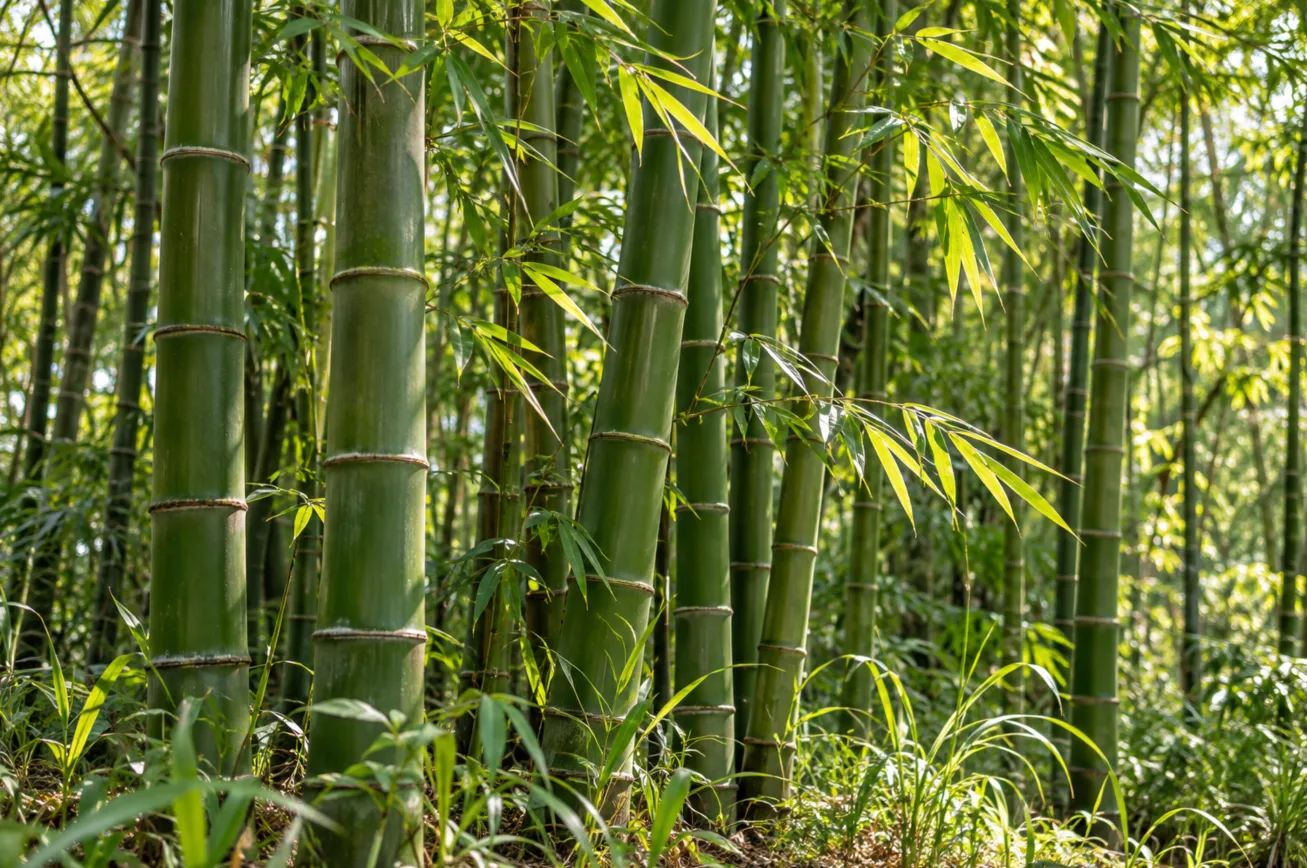
Yes. Bamboos belong to the grass family, Poaceae. Some grow tall and develop woody stems, but their tree-like appearance does not change that classification.

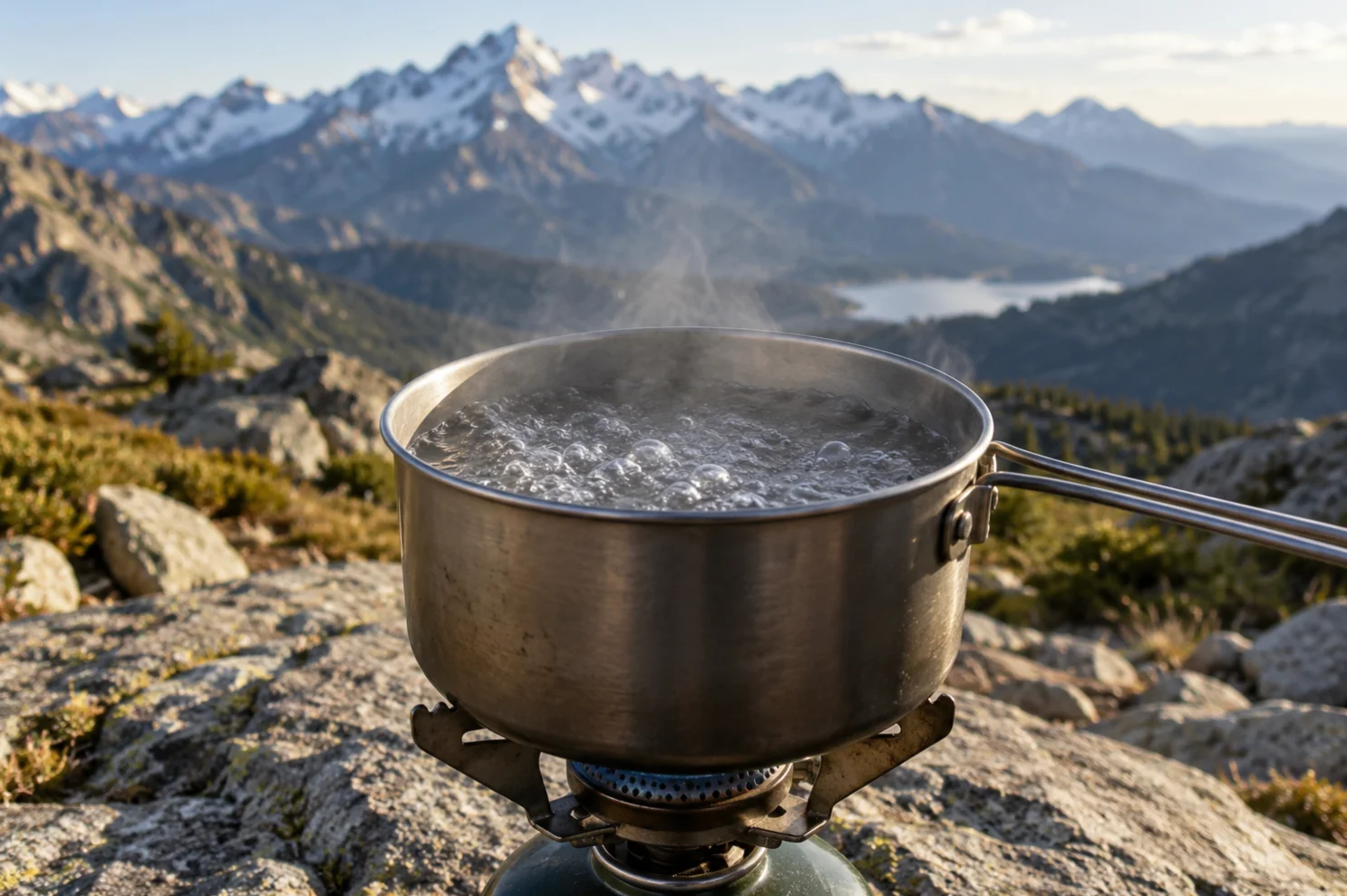
No. Water's boiling temperature depends on pressure. In an open container at higher elevations, lower air pressure allows it to boil below 100°C.

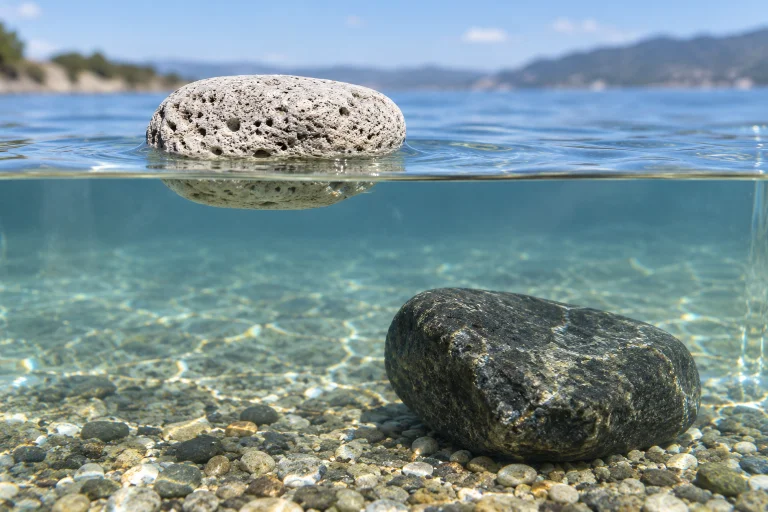
Yes. Some pumice can float because gas-filled pores lower its overall density. Water entering those pores can reduce buoyancy, so floating need not last.

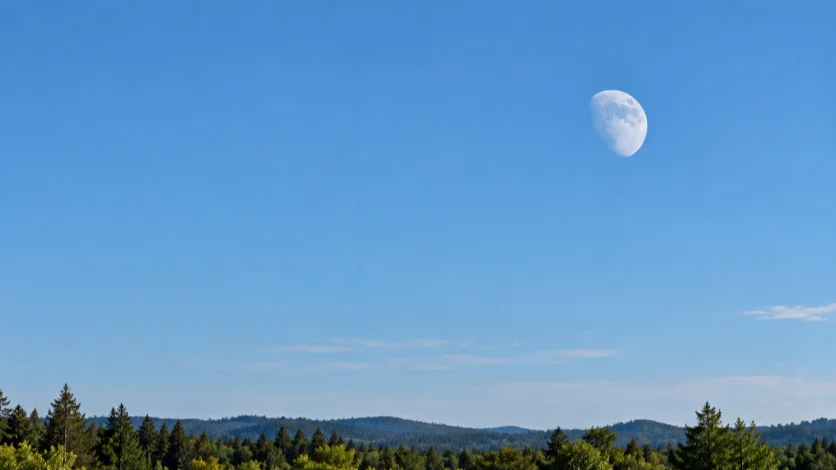
Yes. The Moon reflects sunlight and can be bright enough to see against a daytime sky. Its visibility depends on its position, phase and sky conditions.

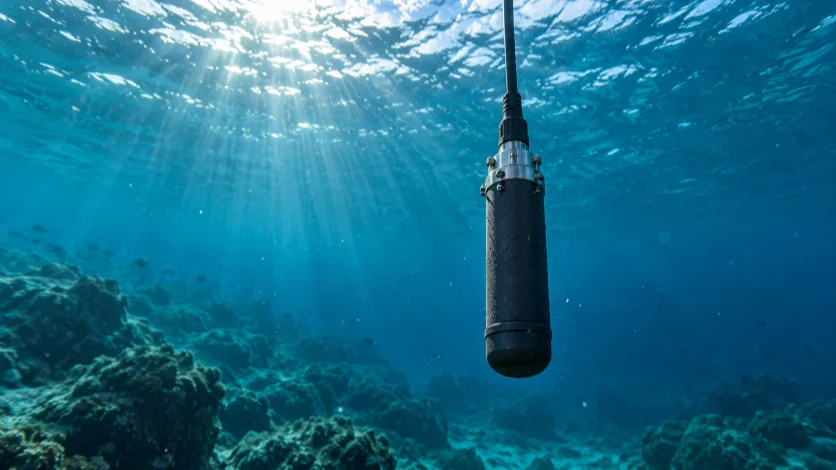
Yes. Sound travels roughly four times faster in water than in air under typical conditions. The exact speed depends on the medium and its conditions.