The museum describes three hearts and their roles
Natural History Museum
The museum states that octopuses have three hearts: two pump blood through the gills, and one circulates blood around the body.
Based on: Natural History Museum

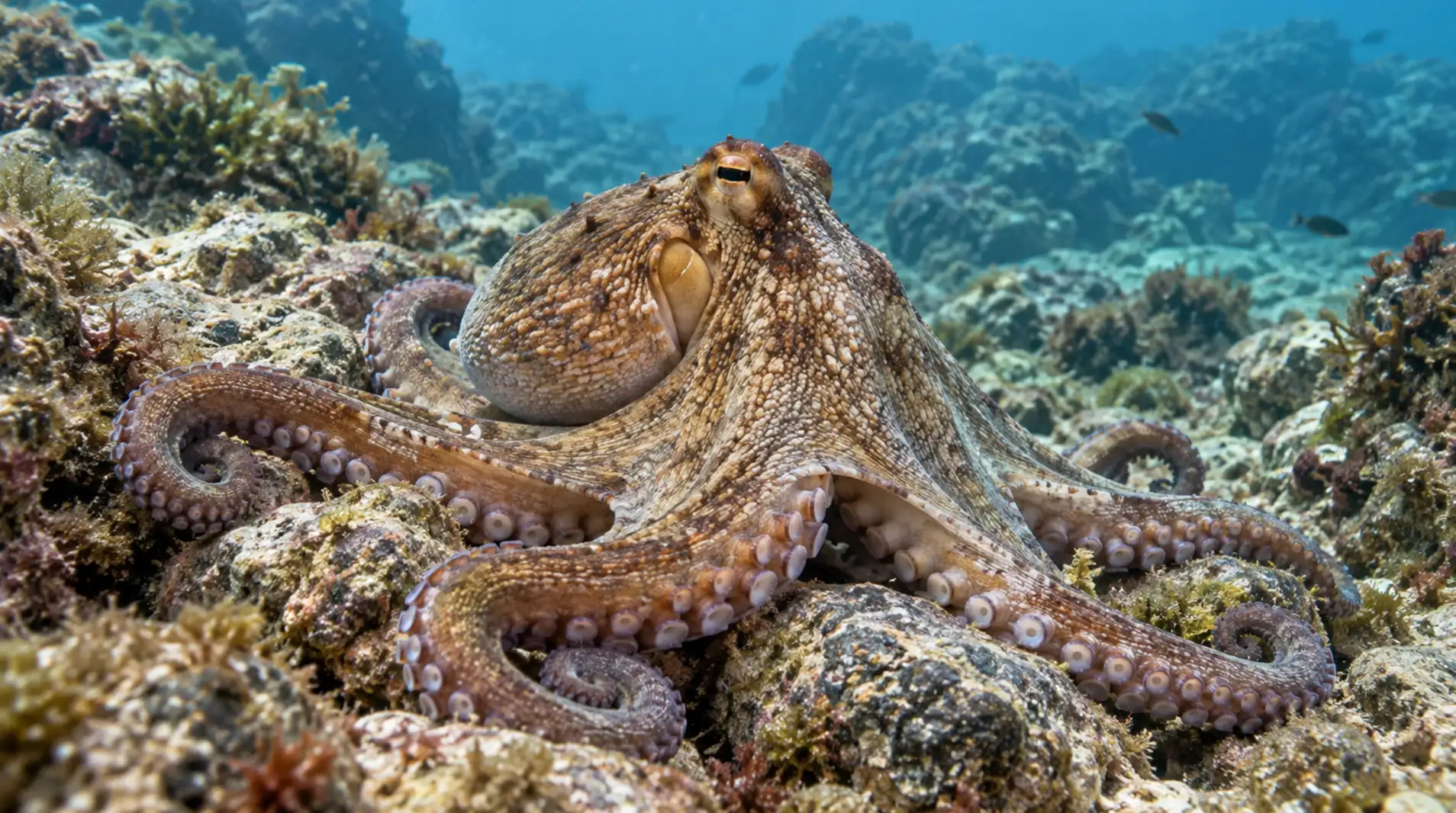
Yes. Octopuses have three hearts, with different roles in moving blood through their bodies.
The Natural History Museum explains that two hearts pump blood through the gills to pick up oxygen, while the third circulates blood around the body. The National Wildlife Federation independently describes the same arrangement.
The useful distinction is how the work is divided: two hearts serve the gills, and one serves the wider body. The number refers to three functioning organs, not three chambers within a single heart.
An octopus has three hearts with divided responsibilities: two for the gills and one for the rest of the body.
Natural History Museum
The museum states that octopuses have three hearts: two pump blood through the gills, and one circulates blood around the body.
Based on: Natural History Museum
National Wildlife Federation
The wildlife guide identifies three functioning hearts and distinguishes the two serving the gills from the heart serving the rest of the body.
Based on: National Wildlife Federation
Was this check helpful?
Sign in required
Sign in required
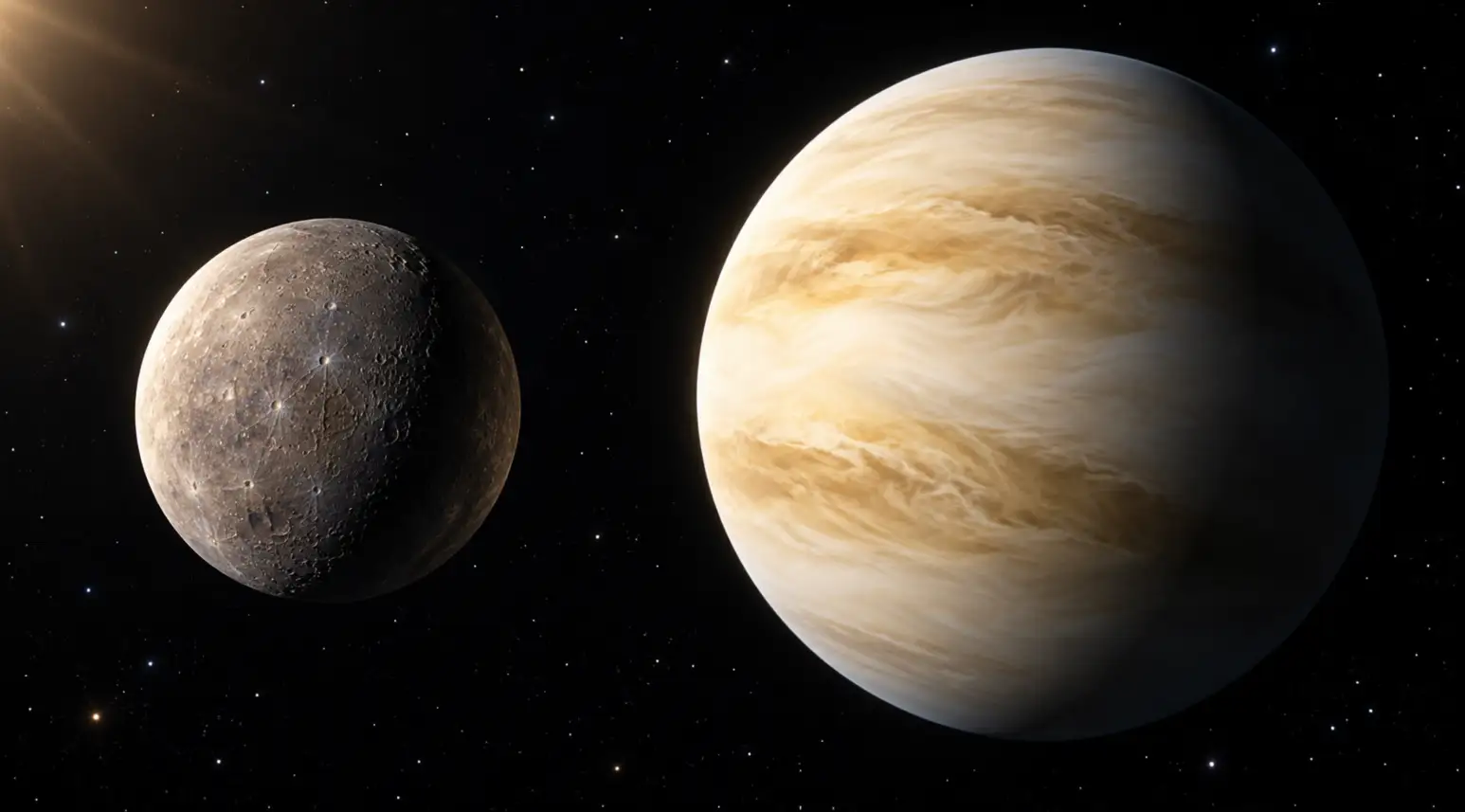
No. Venus is hotter despite being farther from the Sun. Its dense atmosphere traps heat, while Mercury has extreme differences between daytime and nighttime temperatures.

Yes. Bamboos belong to the grass family, Poaceae. Some grow tall and develop woody stems, but their tree-like appearance does not change that classification.

No. Water's boiling temperature depends on pressure. In an open container at higher elevations, lower air pressure allows it to boil below 100°C.