NASA describes the Sun as white above the atmosphere
NASA
NASA explains that the Sun's broad mixture of visible wavelengths produces a white appearance when viewed from above Earth's atmosphere.
Based on: NASA

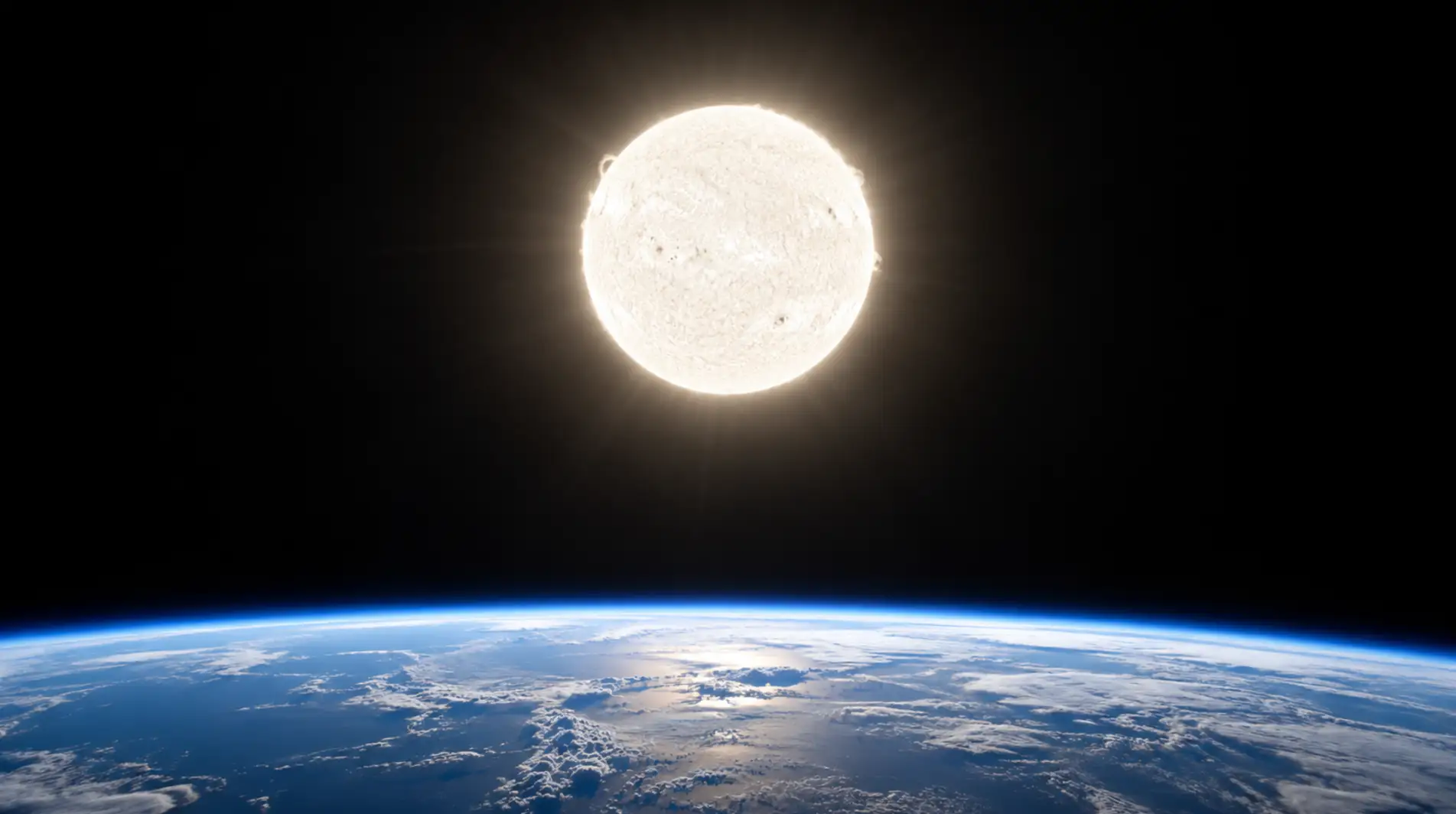
Yes. Outside Earth's atmosphere, the Sun's combined visible light appears white to human vision. It emits a broad range of visible wavelengths rather than only yellow light.
NASA explains that the mixture of visible colours produces this white appearance. Physicist Christopher Baird independently describes sunlight as white and distinguishes its combined colour from individual components of its spectrum.
Earth's atmosphere changes the light reaching an observer by scattering shorter wavelengths more strongly. Near sunrise and sunset, this can make the Sun appear yellow, orange or red. Its appearance through the atmosphere is different from its colour in space.
Sunlight combines many visible wavelengths. A yellow or red sunset does not mean the Sun emits only those colours.
NASA
NASA explains that the Sun's broad mixture of visible wavelengths produces a white appearance when viewed from above Earth's atmosphere.
Based on: NASA
West Texas A&M University
Christopher Baird explains that the Sun appears white in space because its light contains a broad mixture of visible colours.
Based on: West Texas A&M University
NASA
The atmosphere scatters shorter wavelengths more efficiently. The longer atmospheric path near sunrise and sunset can shift the Sun's appearance toward red.
Based on: NASA
Was this check helpful?
Sign in required
Sign in required
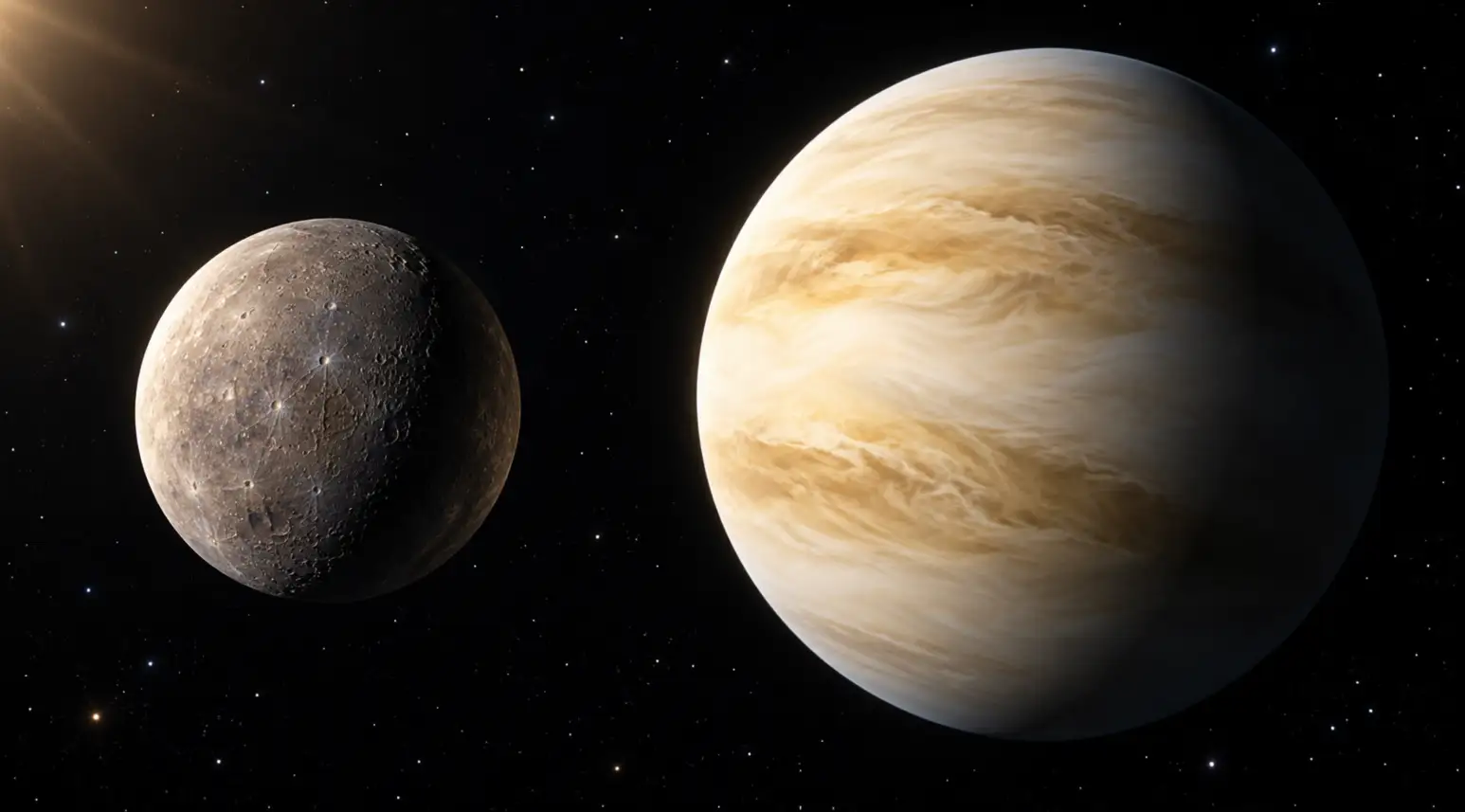
No. Venus is hotter despite being farther from the Sun. Its dense atmosphere traps heat, while Mercury has extreme differences between daytime and nighttime temperatures.

Yes. Two hearts pump blood through the gills, while a third circulates it through the rest of the body.

Yes. Bamboos belong to the grass family, Poaceae. Some grow tall and develop woody stems, but their tree-like appearance does not change that classification.