Water can boil below 100°C at higher elevations
US Geological Survey
USGS lists a boiling temperature of approximately 94.9°C at 5,000 feet and explains that lower atmospheric pressure lowers the boiling point.
Based on: US Geological Survey

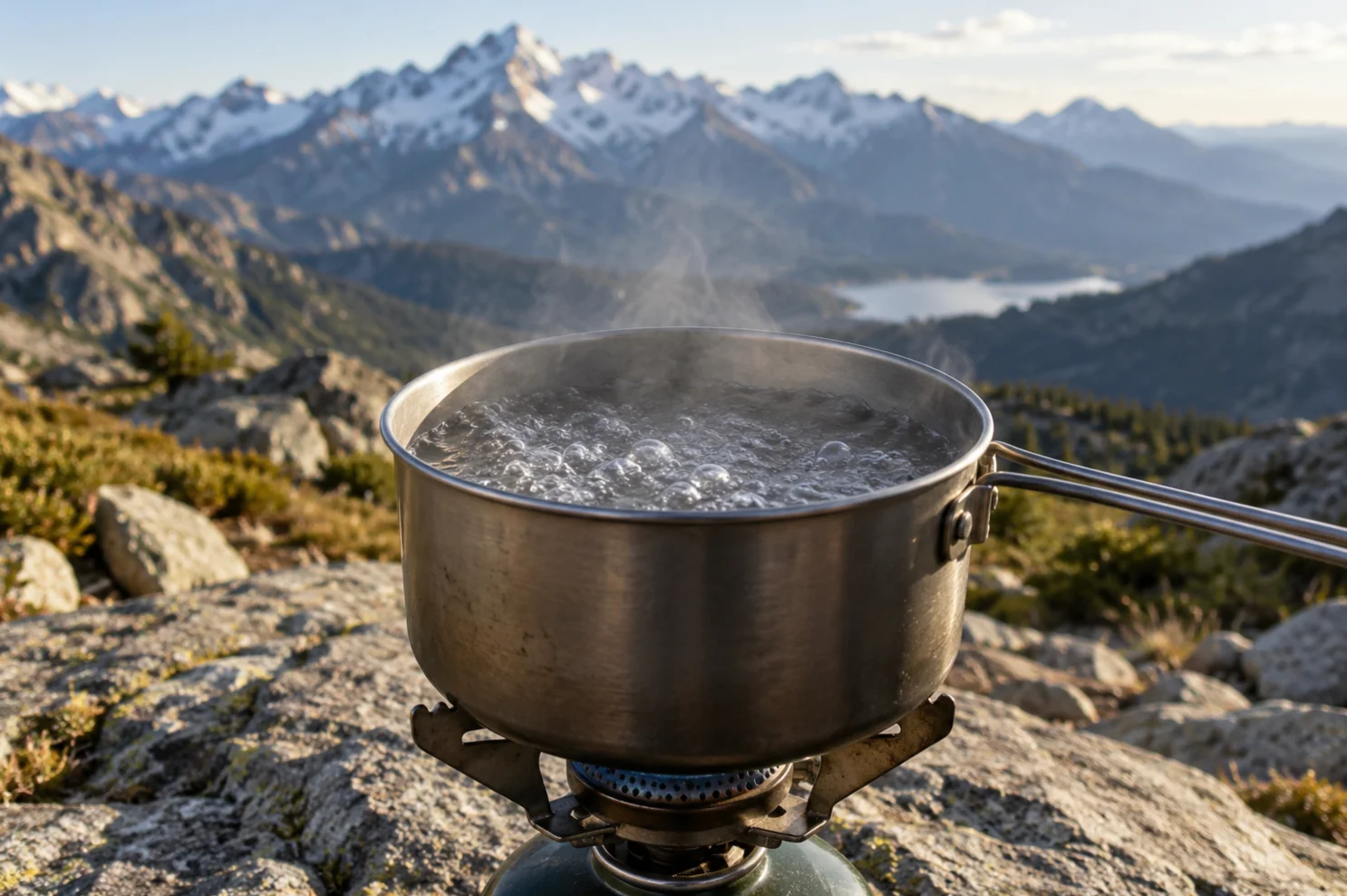
No. Water does not always boil at 100°C. That familiar value applies approximately at standard sea-level atmospheric pressure. Lower pressure reduces its boiling temperature.
The US Geological Survey gives about 94.9°C at an elevation of 5,000 feet. Colorado State University independently explains that decreasing atmospheric pressure makes water boil at lower temperatures as elevation increases.
A lower boiling temperature does not mean food necessarily cooks faster. In an open pot at higher elevation, boiling water is cooler, so foods prepared by boiling or simmering can take longer to cook.
Boiling is not a universal 100°C temperature marker. Pressure changes the temperature at which water boils.
US Geological Survey
USGS lists a boiling temperature of approximately 94.9°C at 5,000 feet and explains that lower atmospheric pressure lowers the boiling point.
Based on: US Geological Survey
Colorado State University Extension
The guide explains that air pressure decreases with elevation and provides a table showing progressively lower boiling temperatures.
Based on: Colorado State University Extension
Colorado State University Extension
Foods cooked by boiling or simmering can require more time at higher elevations because the cooking water is at a lower temperature.
Based on: Colorado State University Extension
Was this check helpful?
Sign in required
Sign in required
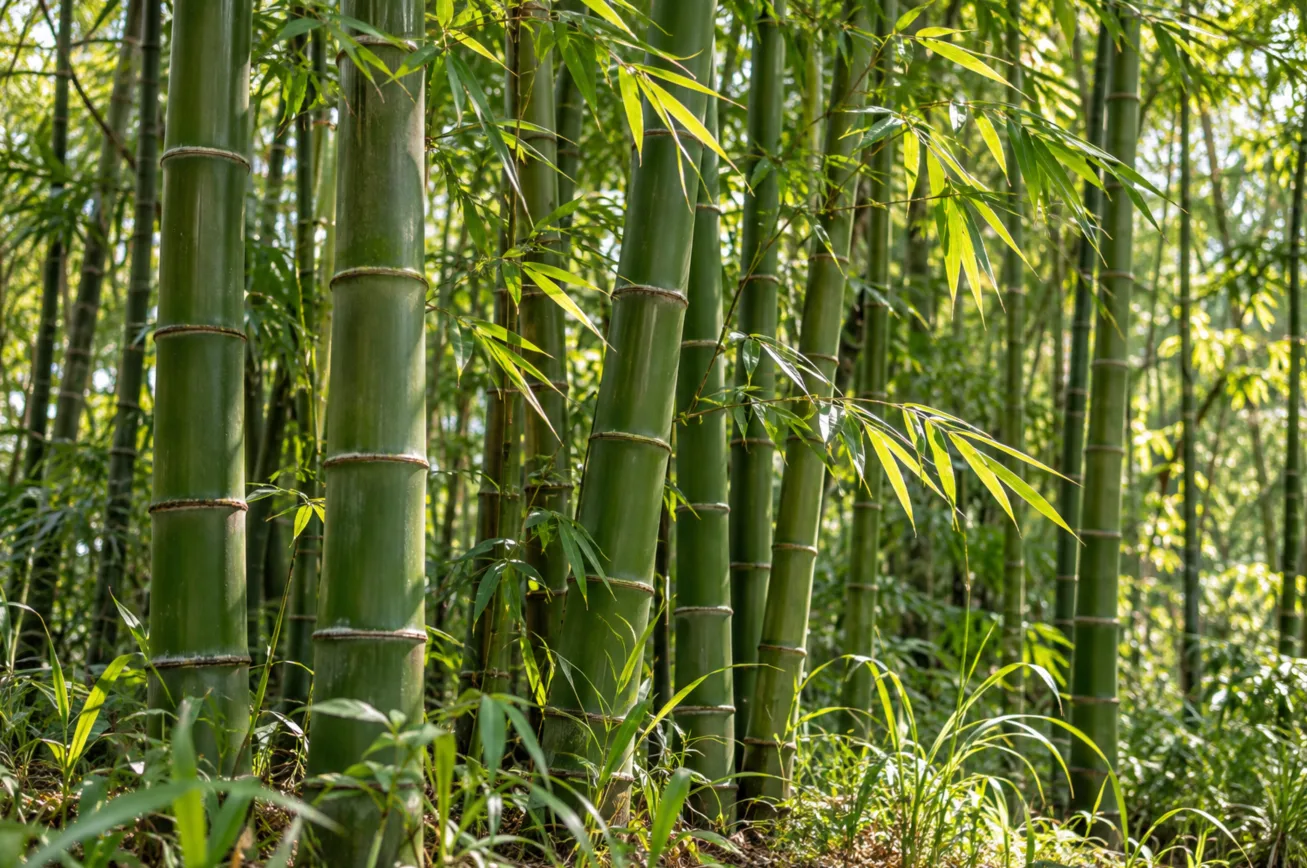
Yes. Bamboos belong to the grass family, Poaceae. Some grow tall and develop woody stems, but their tree-like appearance does not change that classification.
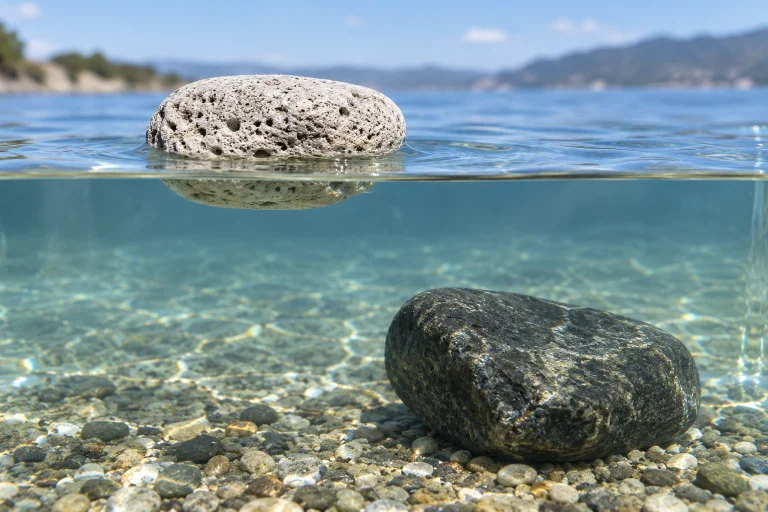
Yes. Some pumice can float because gas-filled pores lower its overall density. Water entering those pores can reduce buoyancy, so floating need not last.
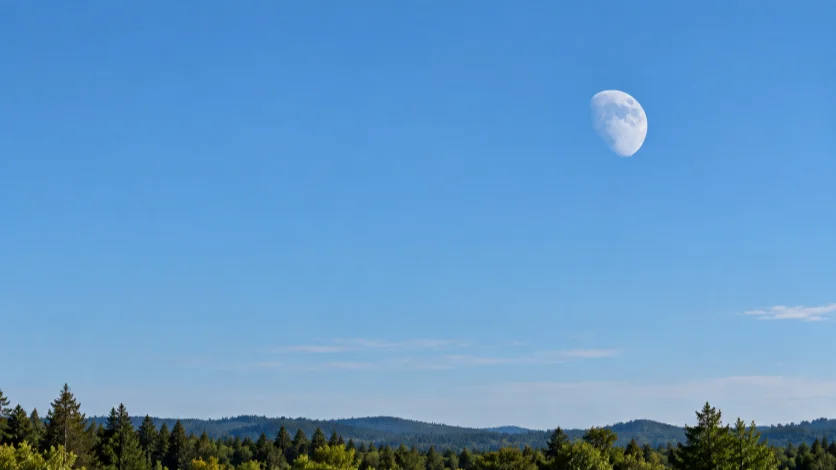
Yes. The Moon reflects sunlight and can be bright enough to see against a daytime sky. Its visibility depends on its position, phase and sky conditions.