Is it true that fish don't feel pain?
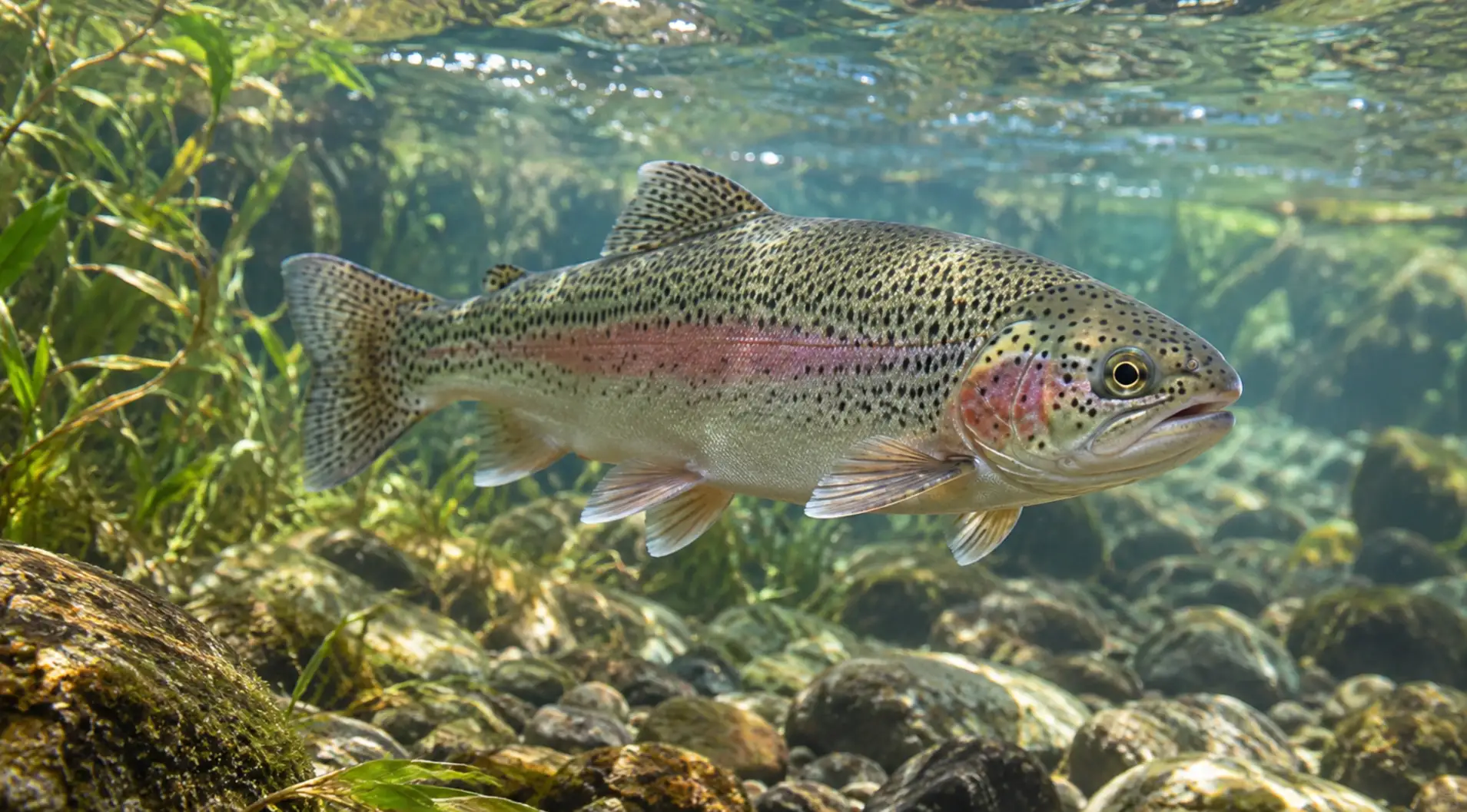
Scientific evidence supports the capacity for pain in fish. Detecting harmful stimuli and experiencing pain are distinct, but the evidence goes beyond simple reflexes.
65 recent checks in this topic

Scientific evidence supports the capacity for pain in fish. Detecting harmful stimuli and experiencing pain are distinct, but the evidence goes beyond simple reflexes.

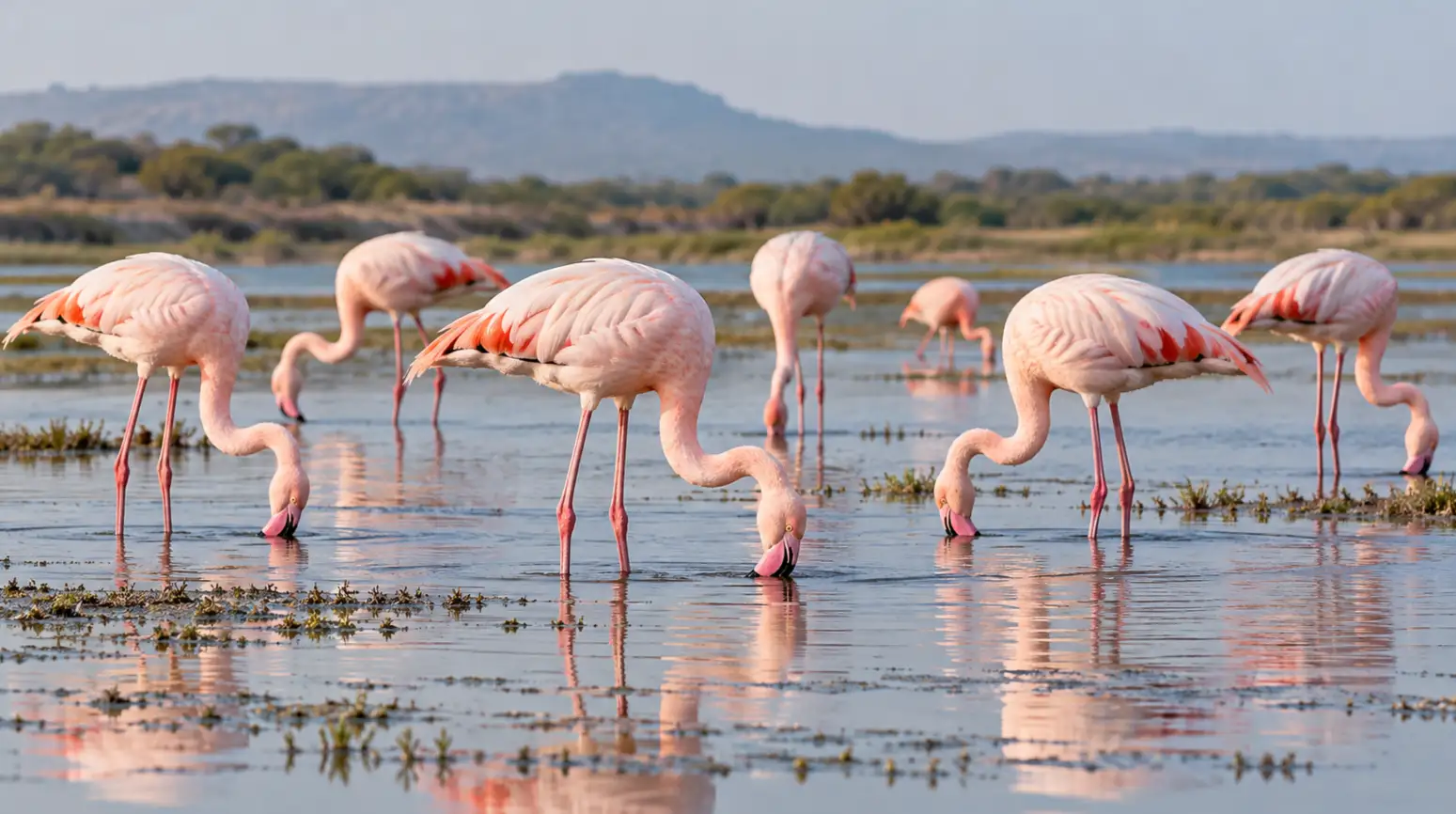
Shrimp can contribute to flamingos' pink color, but algae do too. The actual source is dietary carotenoid pigments, and food sources differ between species.

Dogs can distinguish blue and yellow. Their color vision is more limited than typical human vision, but it is not restricted to yellow.

Dogs and humans have different oral microbes. That does not make dogs’ mouths cleaner, and counting bacterial species cannot establish which mouth is more hygienic.

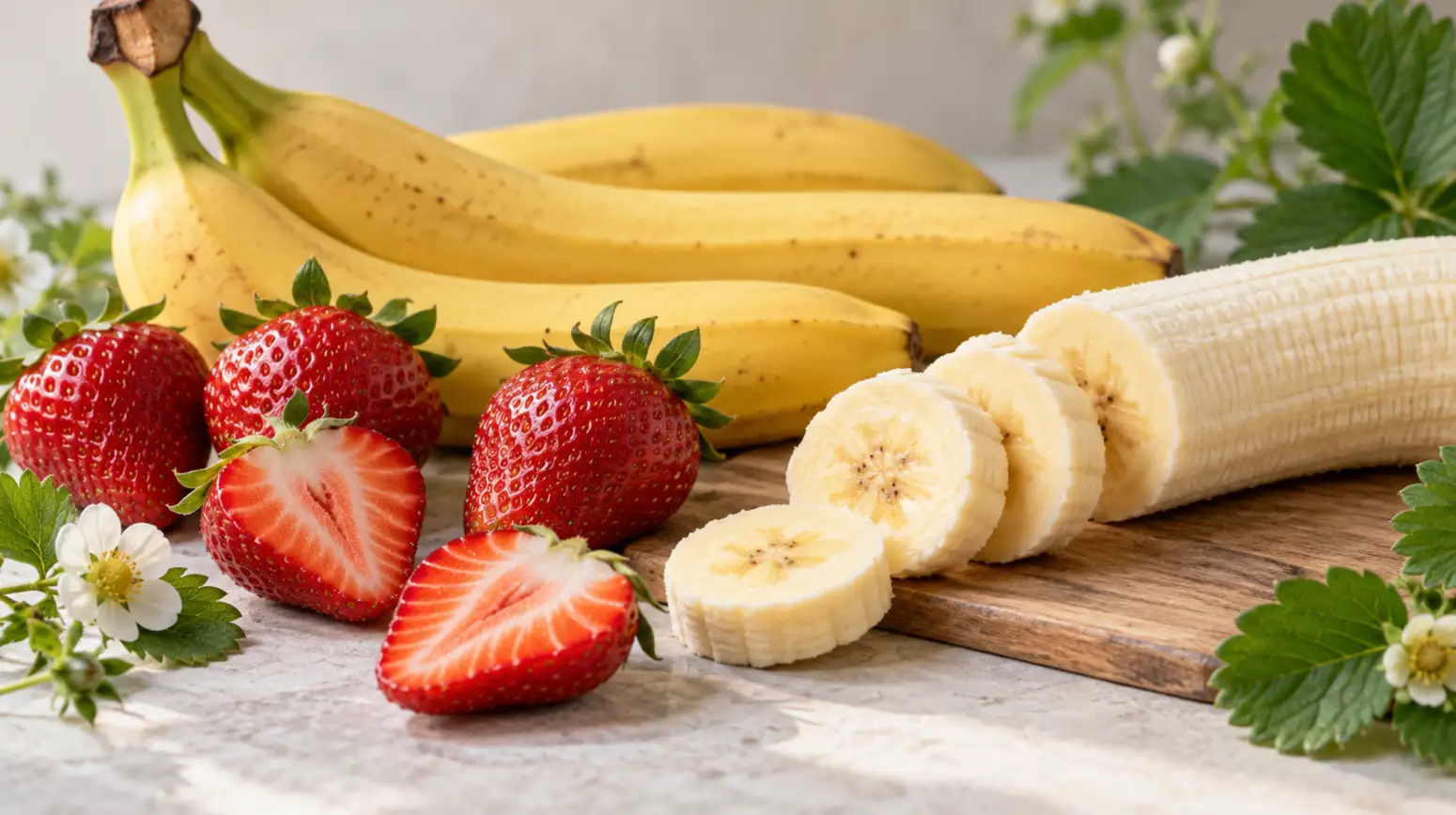
Botanically, bananas are berries. Strawberries are aggregate accessory fruits: their fleshy base holds many tiny individual fruits called achenes.

Red does not have a special anger-triggering effect on bulls. Movement and the surrounding situation explain their reaction to a bullfighter's cape.

Winter lambing is normal in many sheep systems. Rejection can occur when maternal bonding fails, but winter birth does not automatically cause it.

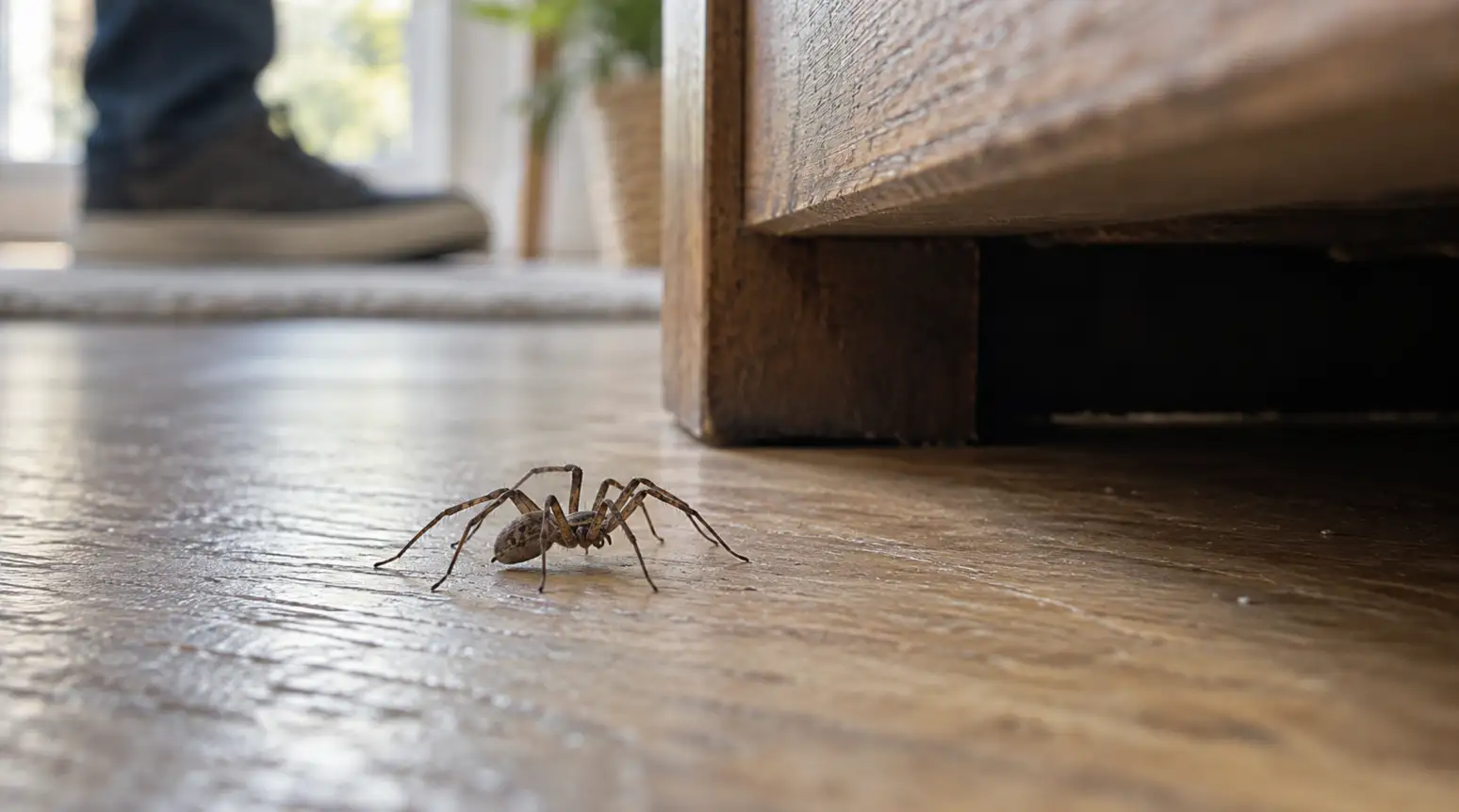
Spiders generally flee disturbances or seek shelter. Moving toward a person does not mean they recognize that person as a protector.