NOAA compares sound speeds in water and air
NOAA
NOAA gives approximate speeds of 1,500 metres per second in water and 340 metres per second in air.
Based on: NOAA

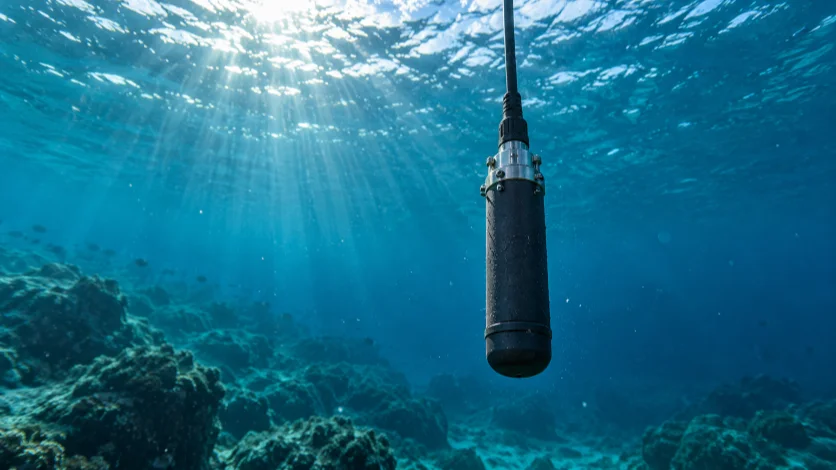
Yes. Under ordinary conditions, sound travels substantially faster in water than in air. Water transmits sound at roughly 1,500 metres per second, compared with about 340 metres per second in air.
NOAA provides these approximate values. OpenStax independently lists 1,480 metres per second for fresh water at 20°C and 343 metres per second for air at the same temperature. Sound speed depends on the medium's physical properties, including its resistance to compression.
These are reference values, not universal constants. Conditions such as temperature affect the speed. How quickly sound travels is also different from how far it remains detectable: ocean conditions can bend and channel sound over long distances.
Sound generally travels much faster in water than in air. Its speed and the distance it can travel are different measurements.
NOAA
NOAA gives approximate speeds of 1,500 metres per second in water and 340 metres per second in air.
Based on: NOAA
OpenStax
OpenStax gives 1,480 metres per second for fresh water at 20°C and 343 metres per second for air at 20°C.
Based on: OpenStax
NOAA and OpenStax
Sound speed depends on the medium and its conditions. NOAA separately explains how ocean temperature and pressure influence sound propagation over distance.
Based on: NOAA
Was this check helpful?
Sign in required
Sign in required
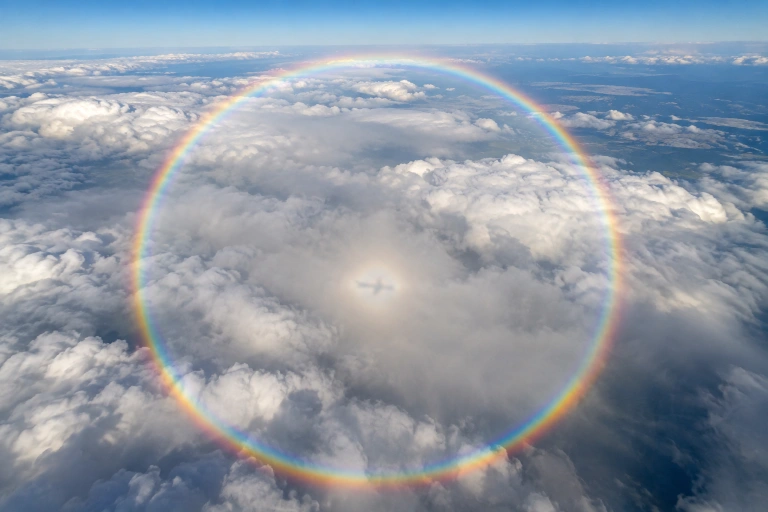
Yes. A full circular rainbow can be visible from an elevated viewpoint when sunlight and water droplets align. From the ground, we usually see only part of the circle.

No. The second is still defined using caesium-133. The new lutetium clock is a research advance that could contribute to a future redefinition.
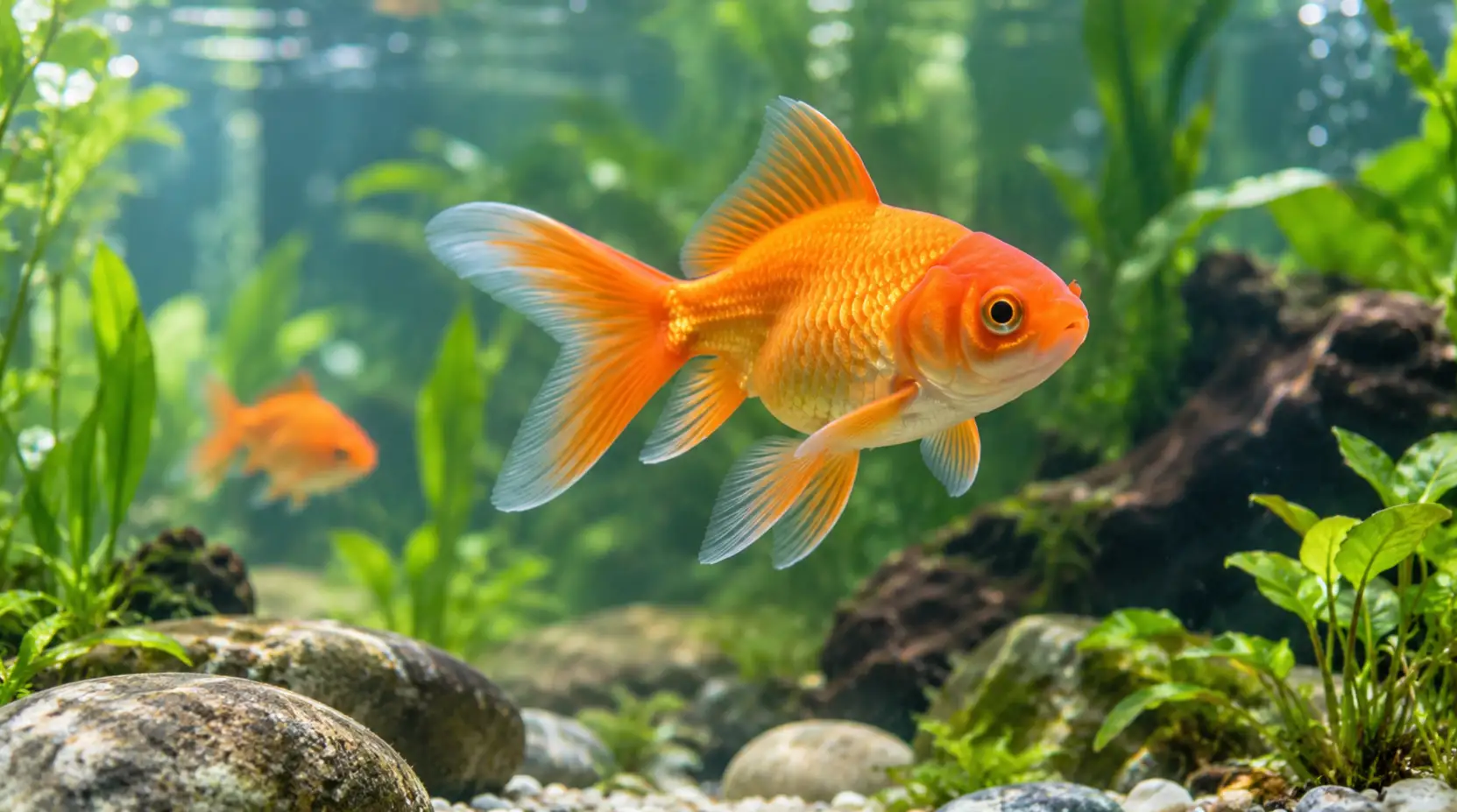
No. Goldfish can learn feeding schedules and spatial tasks. Experiments contradict a three-second memory limit, but do not establish one universal memory duration.