USGS demonstrates a floating rock
U.S. Geological Survey
A USGS demonstration shows pumice floating in water while other rocks of similar size sink, explaining the difference through density.
Based on: U.S. Geological Survey

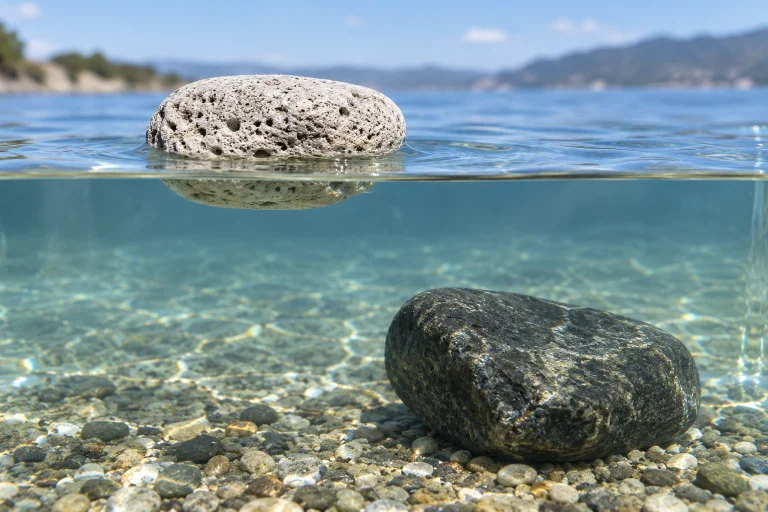
Yes. Some rocks can float on water. Pumice, a porous volcanic rock, provides an example: gas-filled spaces can make the rock as a whole less dense than water.
The USGS demonstrates pumice floating while other rocks sink. A 2025 experimental study of pumice from Sakurajima also documented floating samples and investigated how their pores admit water.
This does not mean every piece of pumice floats or remains afloat indefinitely. The study found substantial differences between samples, with some sinking almost immediately and others floating for more than ten days. Pore structure and water infiltration matter.
Being a rock does not guarantee sinking. Pumice can float, but its buoyancy depends on its pores and how much water enters them.
U.S. Geological Survey
A USGS demonstration shows pumice floating in water while other rocks of similar size sink, explaining the difference through density.
Based on: U.S. Geological Survey
Riko Nagao, Tadashi Yokoyama and Shingo Takeuchi
The researchers immersed pumice samples in water and measured their flotation, directly documenting that some samples remained afloat.
Based on: Progress in Earth and Planetary Science
Riko Nagao, Tadashi Yokoyama and Shingo Takeuchi
The study linked differences in flotation duration to pore characteristics and water infiltration; it does not establish a universal duration for pumice.
Based on: Progress in Earth and Planetary Science
Was this check helpful?
Sign in required
Sign in required
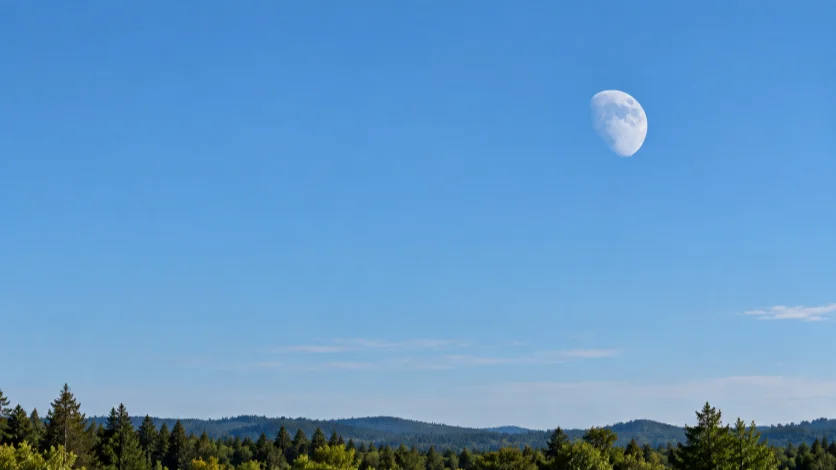
Yes. The Moon reflects sunlight and can be bright enough to see against a daytime sky. Its visibility depends on its position, phase and sky conditions.
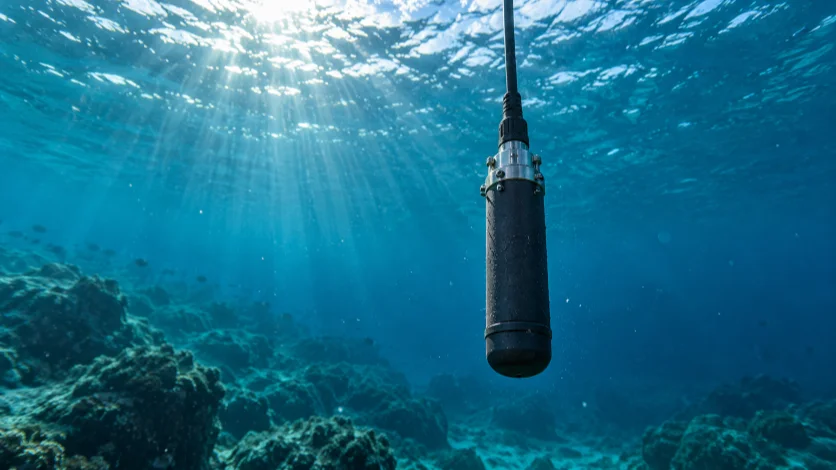
Yes. Sound travels roughly four times faster in water than in air under typical conditions. The exact speed depends on the medium and its conditions.
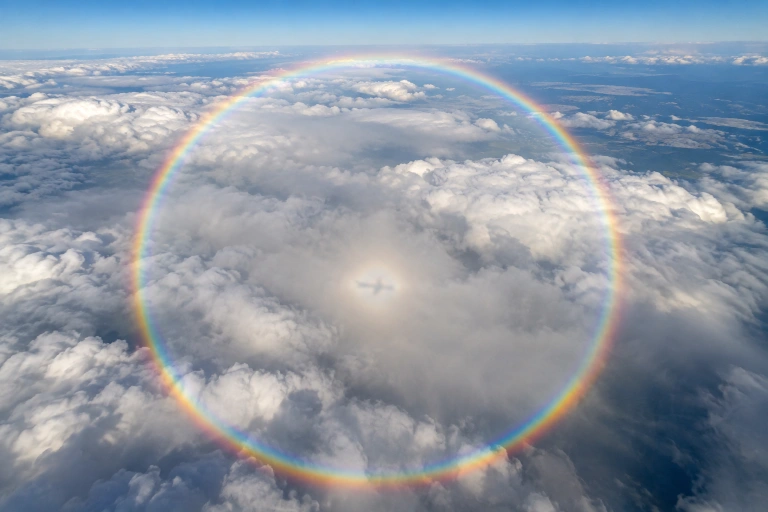
Yes. A full circular rainbow can be visible from an elevated viewpoint when sunlight and water droplets align. From the ground, we usually see only part of the circle.