Kew explicitly places bamboos in the grass family
Royal Botanic Gardens, Kew
Kew identifies bamboos as members of Poaceae and explains that some become large enough to resemble trees.
Based on: Kew Science — Plants of the World Online

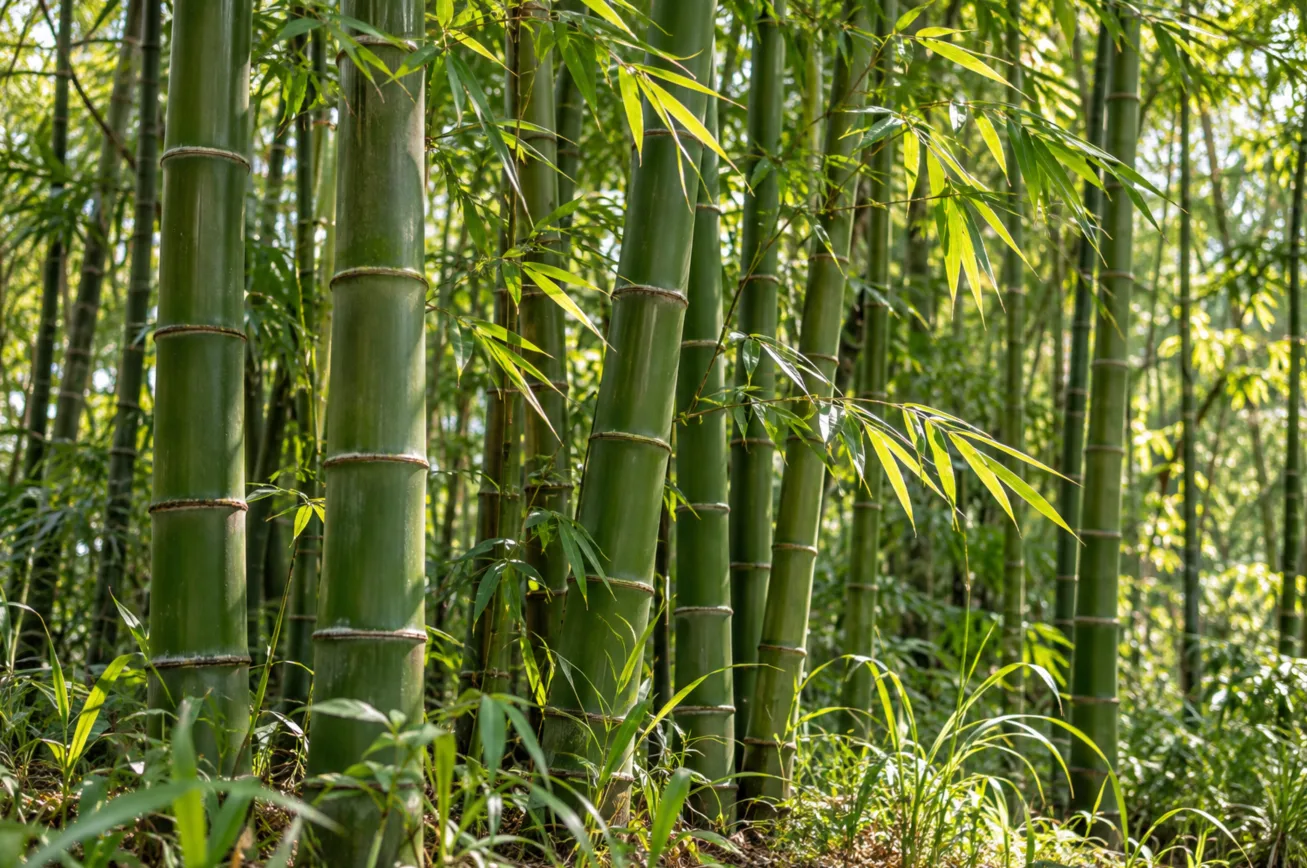
Yes. Bamboos belong to Poaceae, the grass family. Some species grow tall and develop woody stems, so they can look very different from the grasses in a lawn.
Royal Botanic Gardens, Kew explicitly identifies bamboos as grasses. Its Plants of the World Online database places moso bamboo, Phyllostachys edulis, in Poaceae. The Smithsonian's grass research overview independently includes bamboos within its account of the family.
Being a grass does not require a plant to stay short or have soft stems. The Smithsonian describes both woody and herbaceous bamboos. The useful distinction is between a plant's growth form and its botanical family.
A tall, woody plant can still be a grass. Bamboo's appearance does not exclude it from Poaceae.
Royal Botanic Gardens, Kew
Kew identifies bamboos as members of Poaceae and explains that some become large enough to resemble trees.
Based on: Kew Science — Plants of the World Online
Kew Science — Plants of the World Online
The accepted record for Phyllostachys edulis, known as moso bamboo, places the species in Poaceae and describes woody stems.
Based on: Kew Science — Plants of the World Online
Smithsonian National Museum of Natural History
The museum's botany department includes bamboos in its grass-family overview and describes its bamboo research collection.
Based on: Smithsonian National Museum of Natural History
Smithsonian National Museum of Natural History
The overview discusses woody bamboos and herbaceous bamboos, showing why a single outward appearance does not define the group.
Based on: Smithsonian National Museum of Natural History
Was this check helpful?
Sign in required
Sign in required
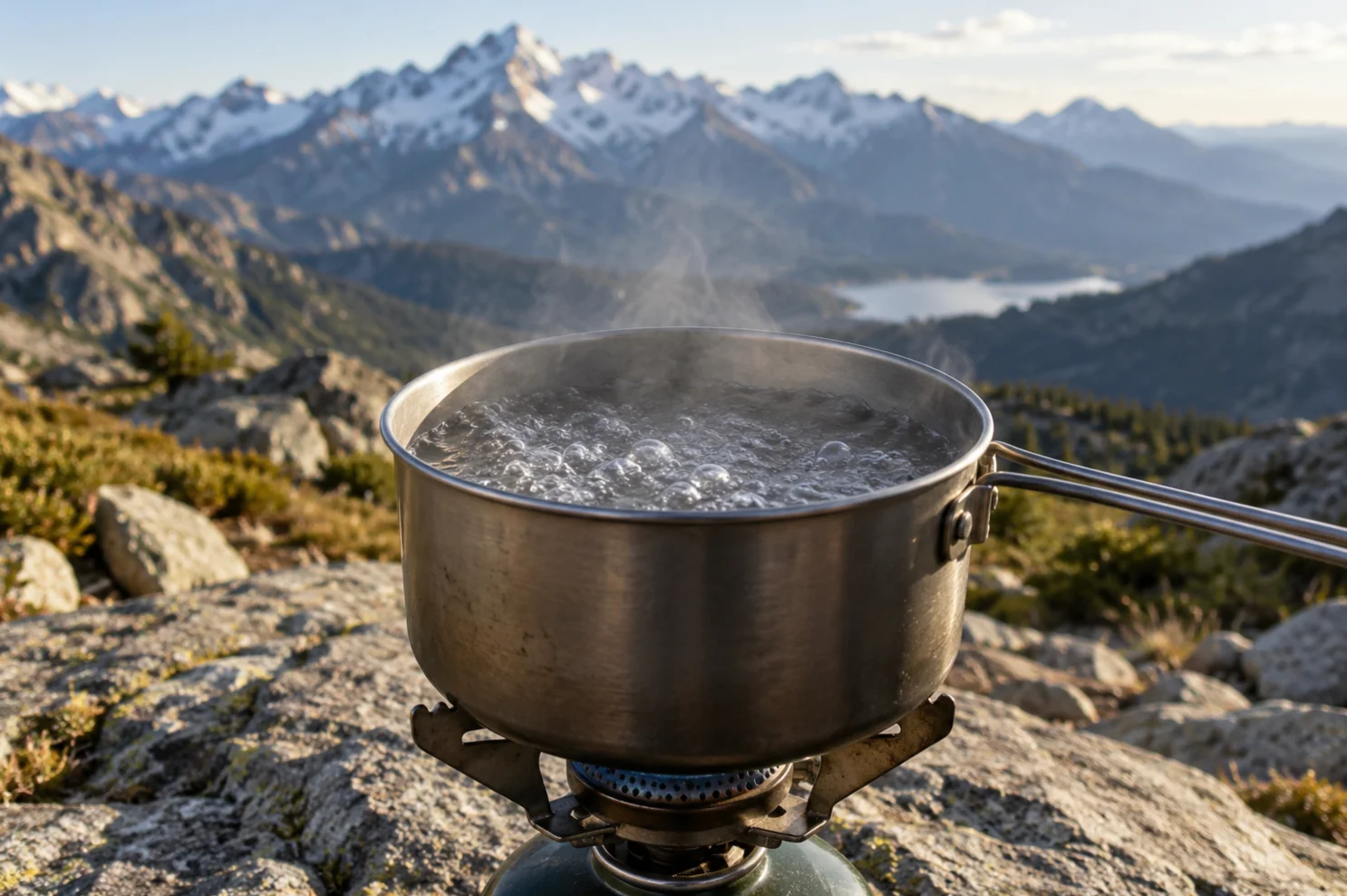
No. Water's boiling temperature depends on pressure. In an open container at higher elevations, lower air pressure allows it to boil below 100°C.
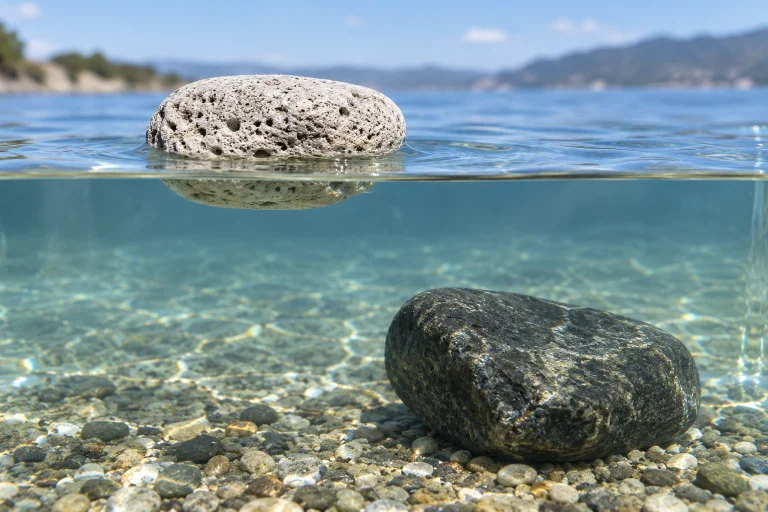
Yes. Some pumice can float because gas-filled pores lower its overall density. Water entering those pores can reduce buoyancy, so floating need not last.
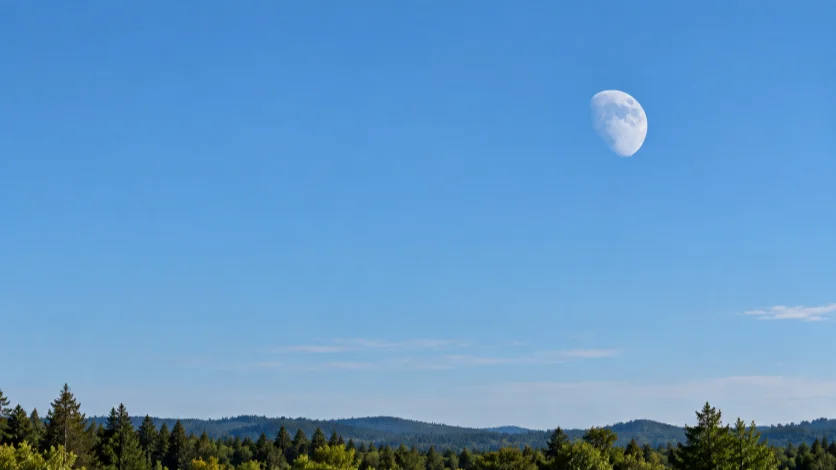
Yes. The Moon reflects sunlight and can be bright enough to see against a daytime sky. Its visibility depends on its position, phase and sky conditions.