Red is not a special aggression trigger
The Naked Scientists
The science Q&A explains that movement, provocation and the animal's condition account for its reaction, rather than anything special about red.
Based on: The Naked Scientists

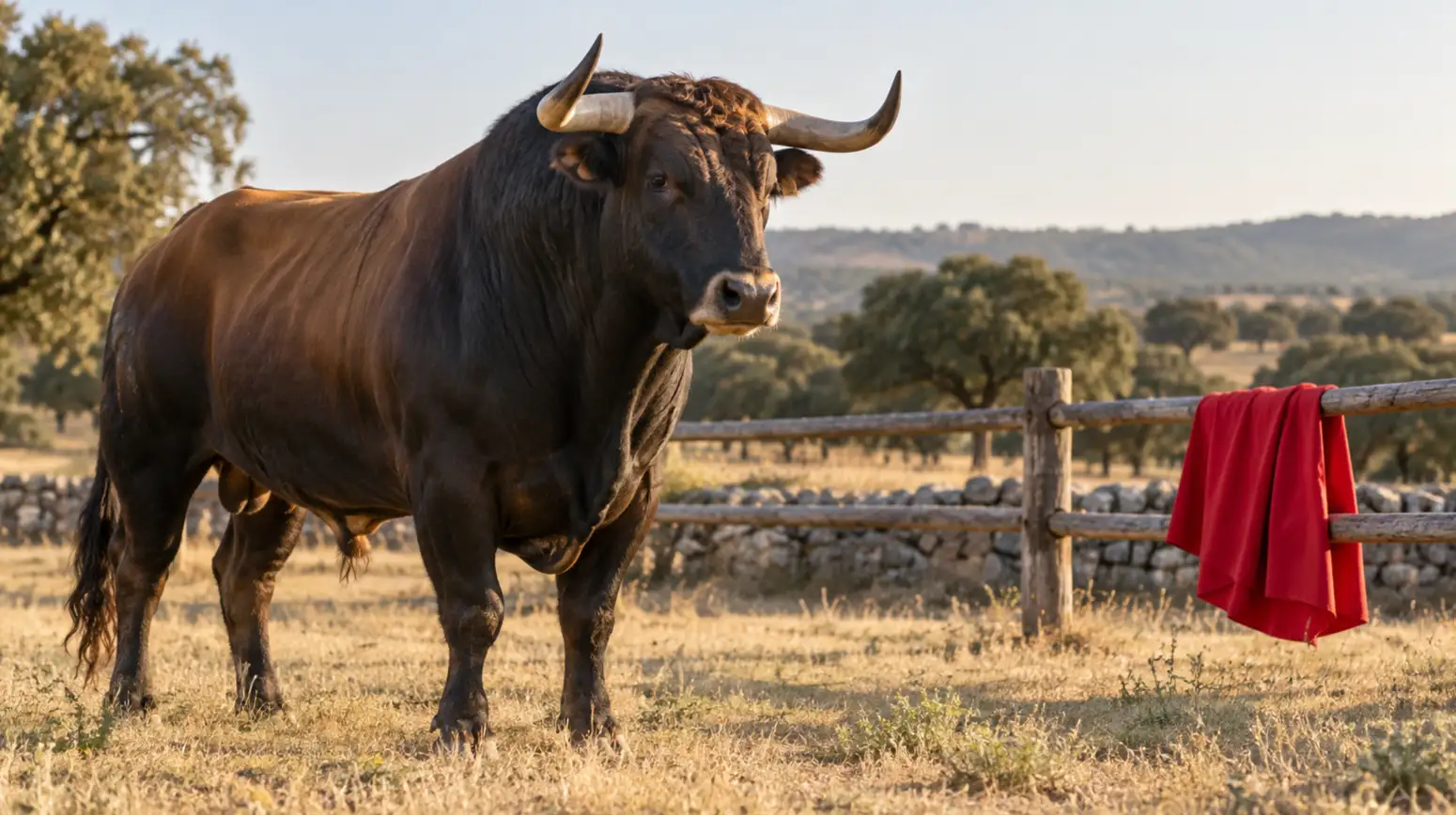
No. The familiar claim that bulls hate red mistakes the color of a bullfighter's cape for what provokes the animal. Movement and the stressful situation are the relevant explanation, rather than a special aversion to red.
Research identifies two cone mechanisms in cattle, providing the basis for dichromatic color vision. This means their color perception differs from typical human vision; it does not mean that red objects are invisible or that cattle see only in black and white.
The distinction matters: research on calves has found behavioral differences under different lighting wavelengths. Those findings do not demonstrate hatred of red or establish that a red cape itself causes aggression. The myth should not be replaced with the broader claim that color can never affect cattle behavior.
A bull's reaction to a moving cape is not evidence that it hates red.
The Naked Scientists
The science Q&A explains that movement, provocation and the animal's condition account for its reaction, rather than anything special about red.
Based on: The Naked Scientists
G. H. Jacobs, J. F. Deegan II and J. Neitz
Original electrophysiological measurements identified two cone mechanisms in cattle, establishing the photopigment basis for dichromatic color vision.
Based on: Visual Neuroscience; abstract hosted by PubMed
C. J. C. Phillips and C. A. Lomas
Calves distinguished some wavelength combinations and showed different movement responses under different lighting. The experiment did not test whether bulls hate red capes.
Based on: Journal of Dairy Science; abstract hosted by FAO AGRIS
Was this check helpful?
Sign in required
Sign in required
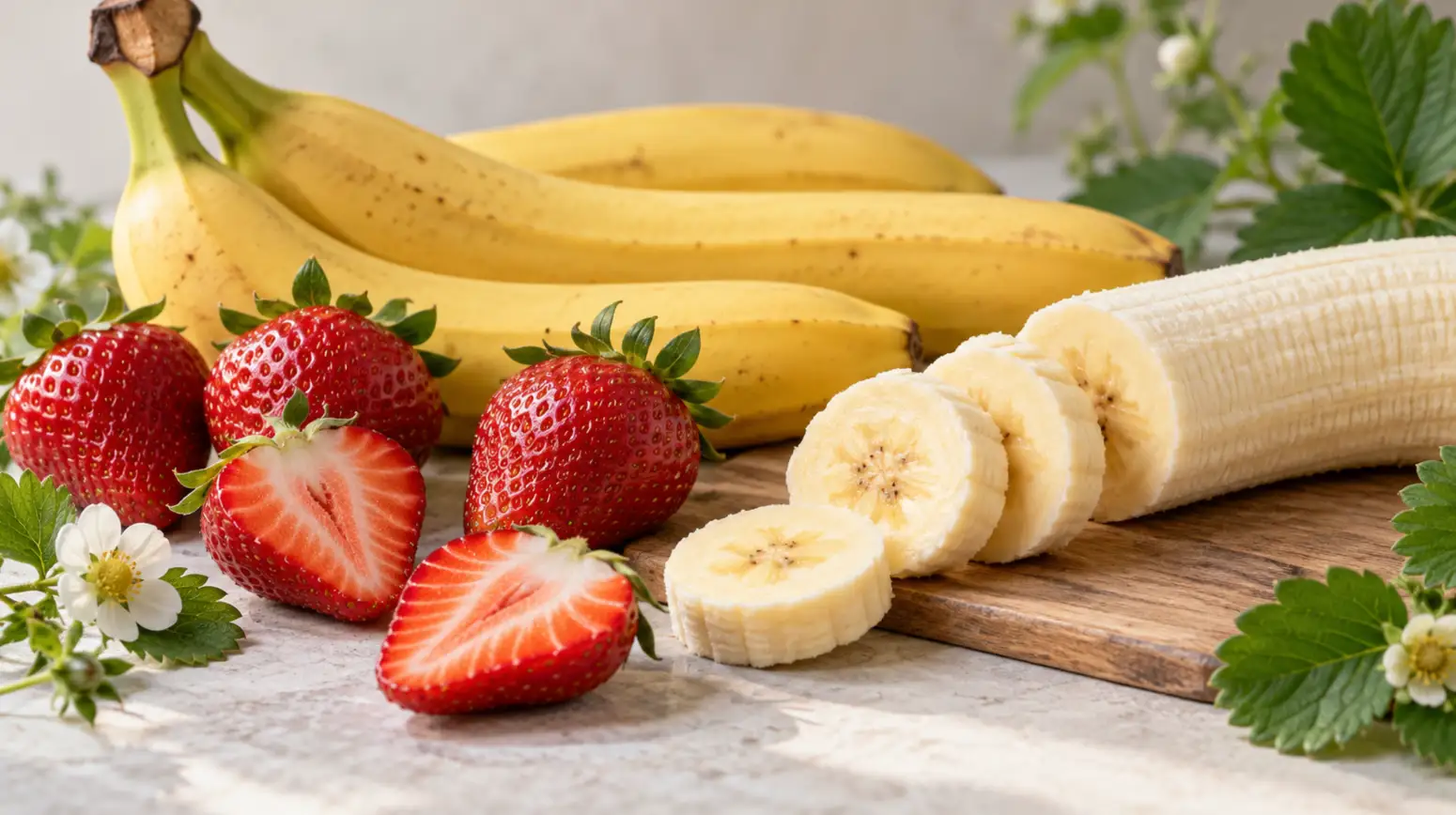
Botanically, bananas are berries. Strawberries are aggregate accessory fruits: their fleshy base holds many tiny individual fruits called achenes.
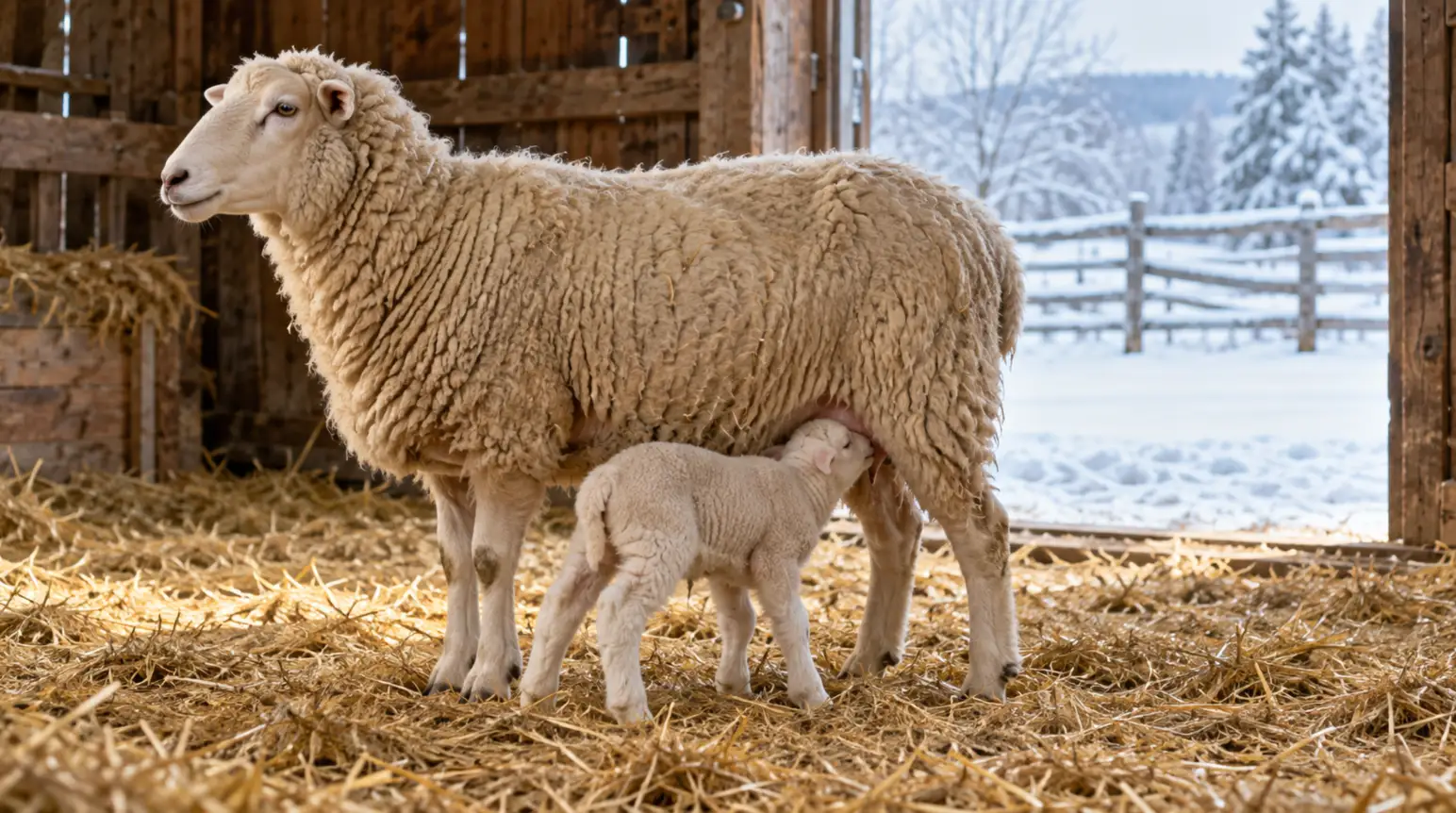
Winter lambing is normal in many sheep systems. Rejection can occur when maternal bonding fails, but winter birth does not automatically cause it.
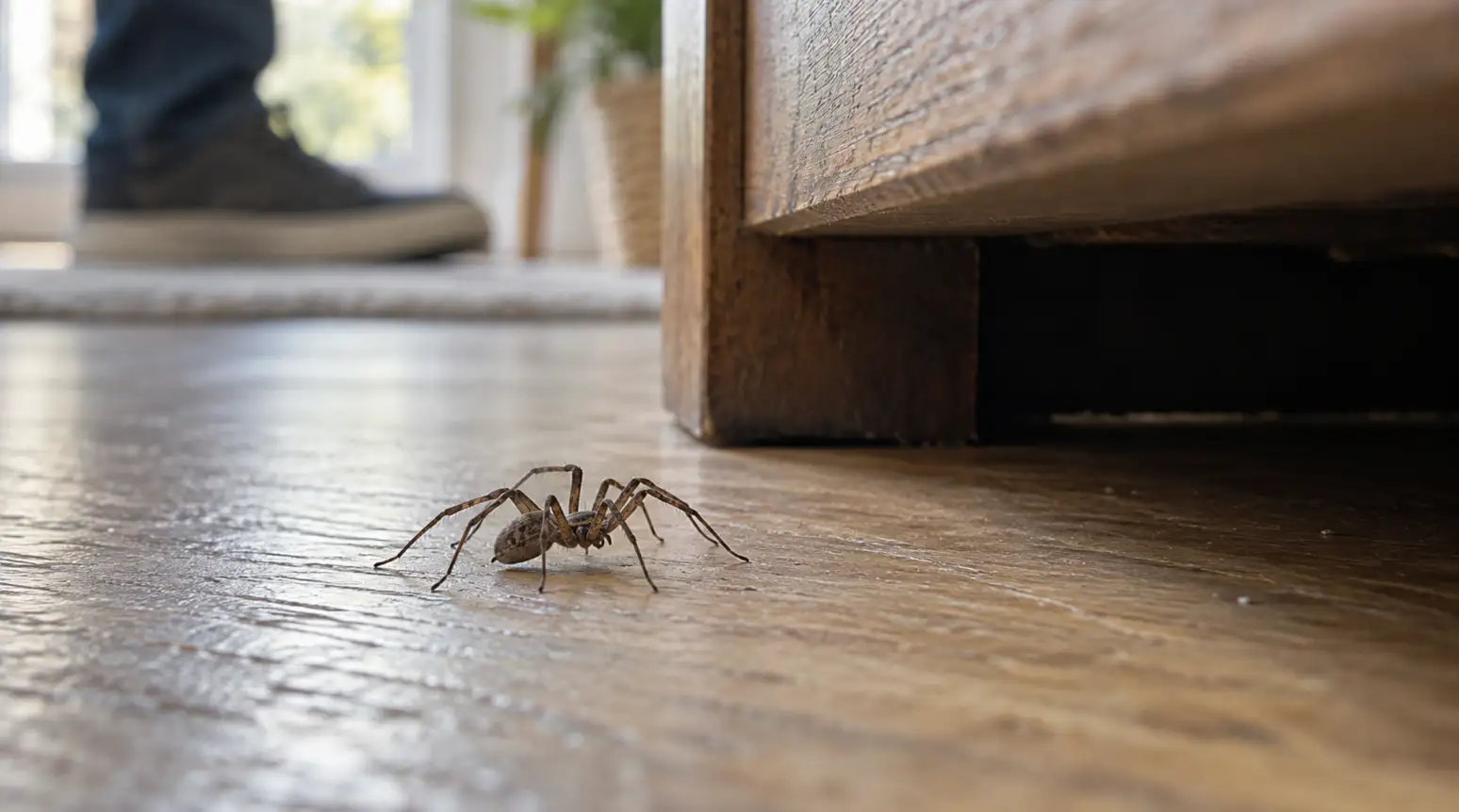
Spiders generally flee disturbances or seek shelter. Moving toward a person does not mean they recognize that person as a protector.