Trooday
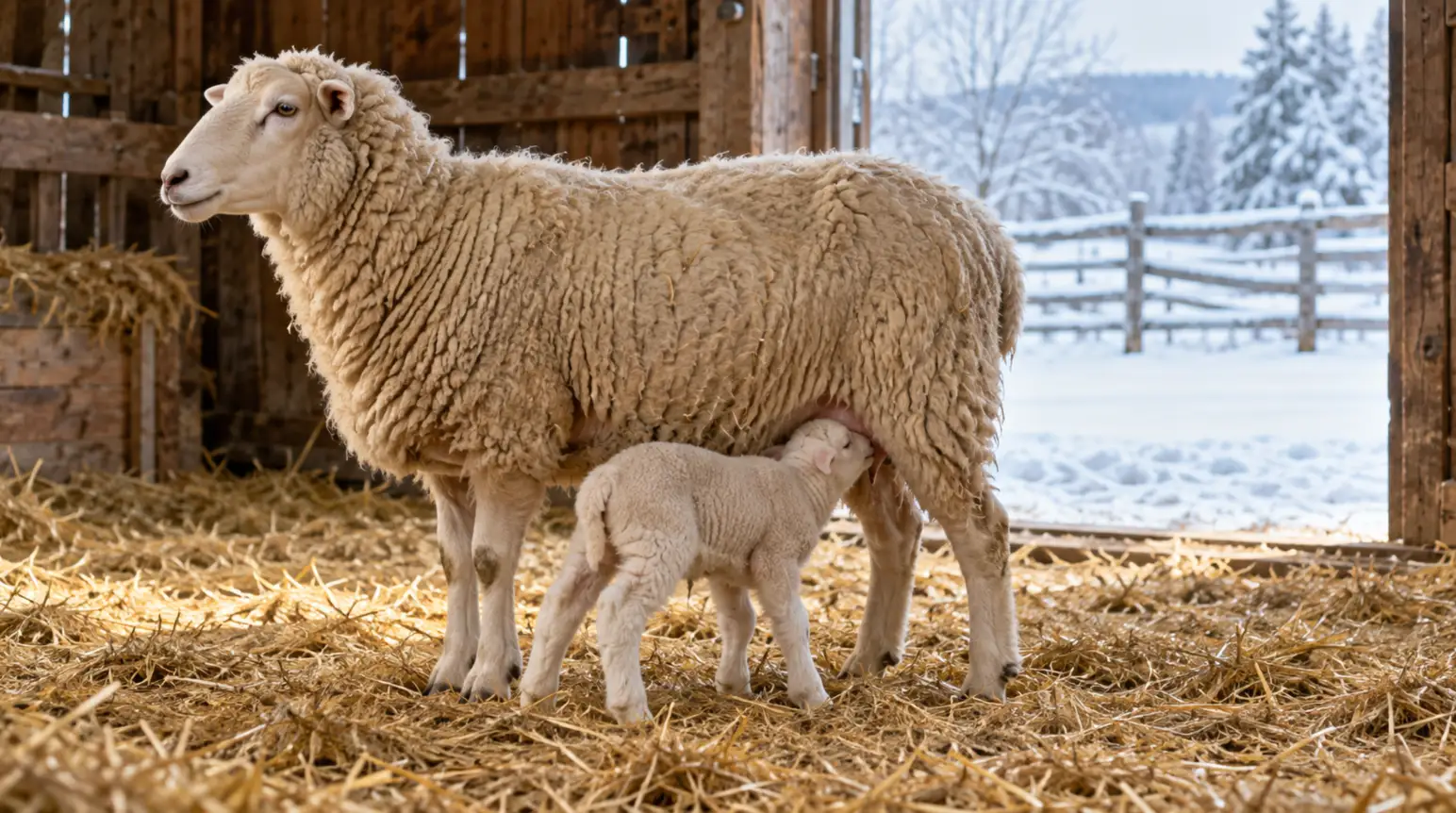
A ewe nursing her lamb on dry straw inside a barn, with snow visible outside.
Science & Space

Do sheep reject lambs born in winter?

Published

Verdict
False
Verification confidenceHigh

Explanation

No. Sheep do not generally reject their lambs because they are born in winter. University of Wisconsin–Madison Extension describes winter and spring as normal lambing seasons and discusses housing ewes with their newborns to establish maternal bonds.

The EU CAP Network's SheepNet guidance explains that a ewe learns to recognize her lamb shortly after birth, especially through smell and close interaction. Separation or interference from other animals can disrupt this process and lead to rejection, regardless of a simple calendar rule.

Winter does create additional challenges, including exposure to cold, snow and rain. Those environmental risks are distinct from maternal rejection. Individual ewes can reject lambs, but that does not establish that winter-born lambs are rejected as a general biological behavior.

Key takeaway

Winter birth does not automatically cause rejection; maternal bonding and cold exposure are separate issues.

Evidence

Winter lambing is a normal production practice

University of Wisconsin–Madison Extension

Contradicts the claim

The university guide identifies winter and spring as normal lambing seasons and describes housing ewes with their lambs to establish maternal bonds. This contradicts generalized rejection of winter-born lambs.

Based on: University of Wisconsin–Madison Extension

Rejection can follow disrupted bonding

EU CAP Network / SheepNet

Provides context

The practice abstract explains that early scent recognition and interaction establish the ewe-lamb bond. Separation, interference and unfamiliar odours can disrupt recognition and acceptance.

Based on: EU CAP Network

Cold-weather exposure is a separate concern

University of Wisconsin–Madison Extension

Provides context

The guide describes shelter requirements for winter lambing to protect newborns from snow, drafts and cold rain. These environmental hazards are distinct from a claim of automatic maternal rejection.

Based on: University of Wisconsin–Madison Extension

Was this check helpful?

Sign in required

Sign in required

How we check claims

Related checks