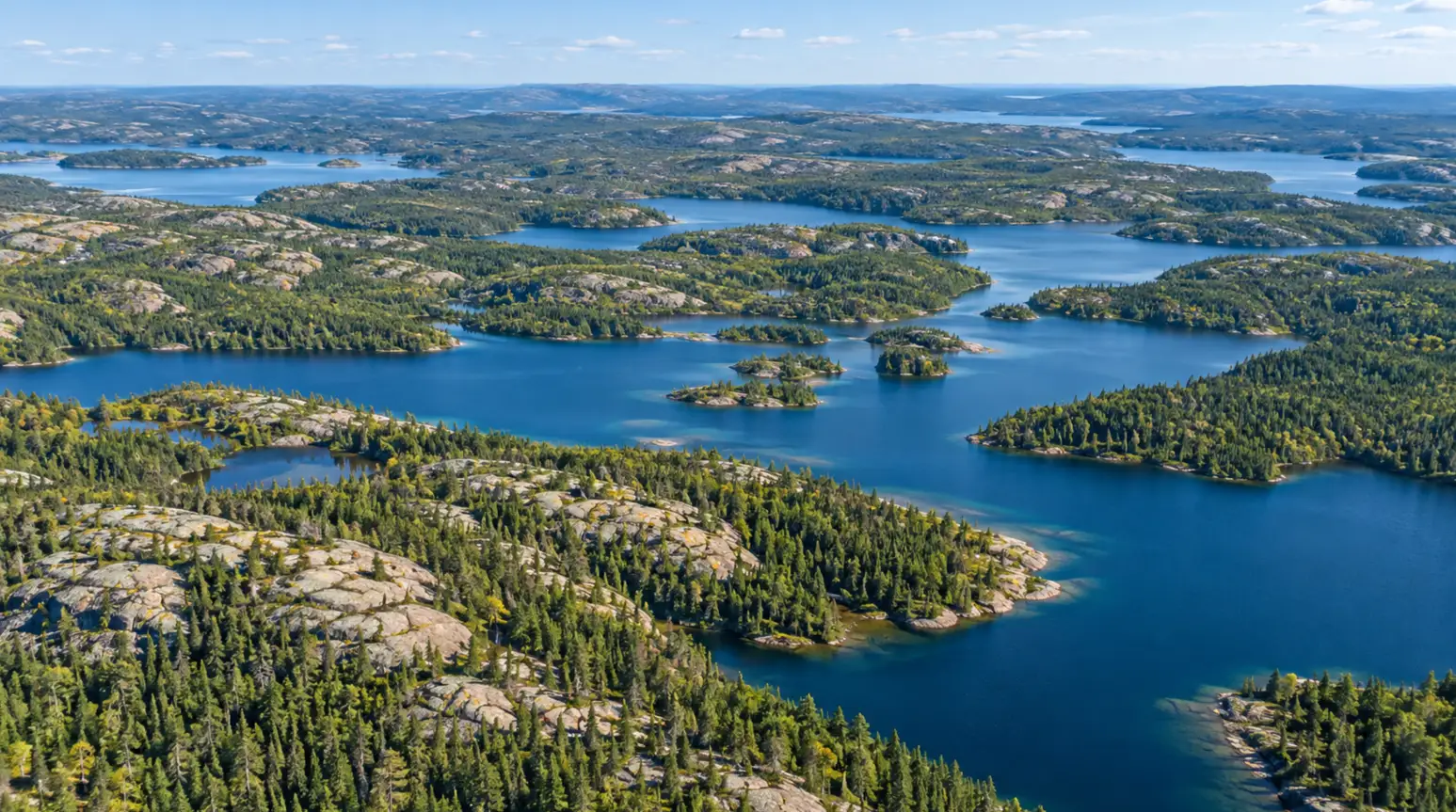
Does Canada have more lakes than the rest of the world combined?
Canada has about 62% of lakes in an inventory covering lakes of at least 0.1 km². That supports the comparison within this size range, not for every lake on Earth.
27 recent checks in this topic

Canada has about 62% of lakes in an inventory covering lakes of at least 0.1 km². That supports the comparison within this size range, not for every lake on Earth.

AI can have a substantial water footprint through cooling and electricity generation. The amount varies by model, location and infrastructure.

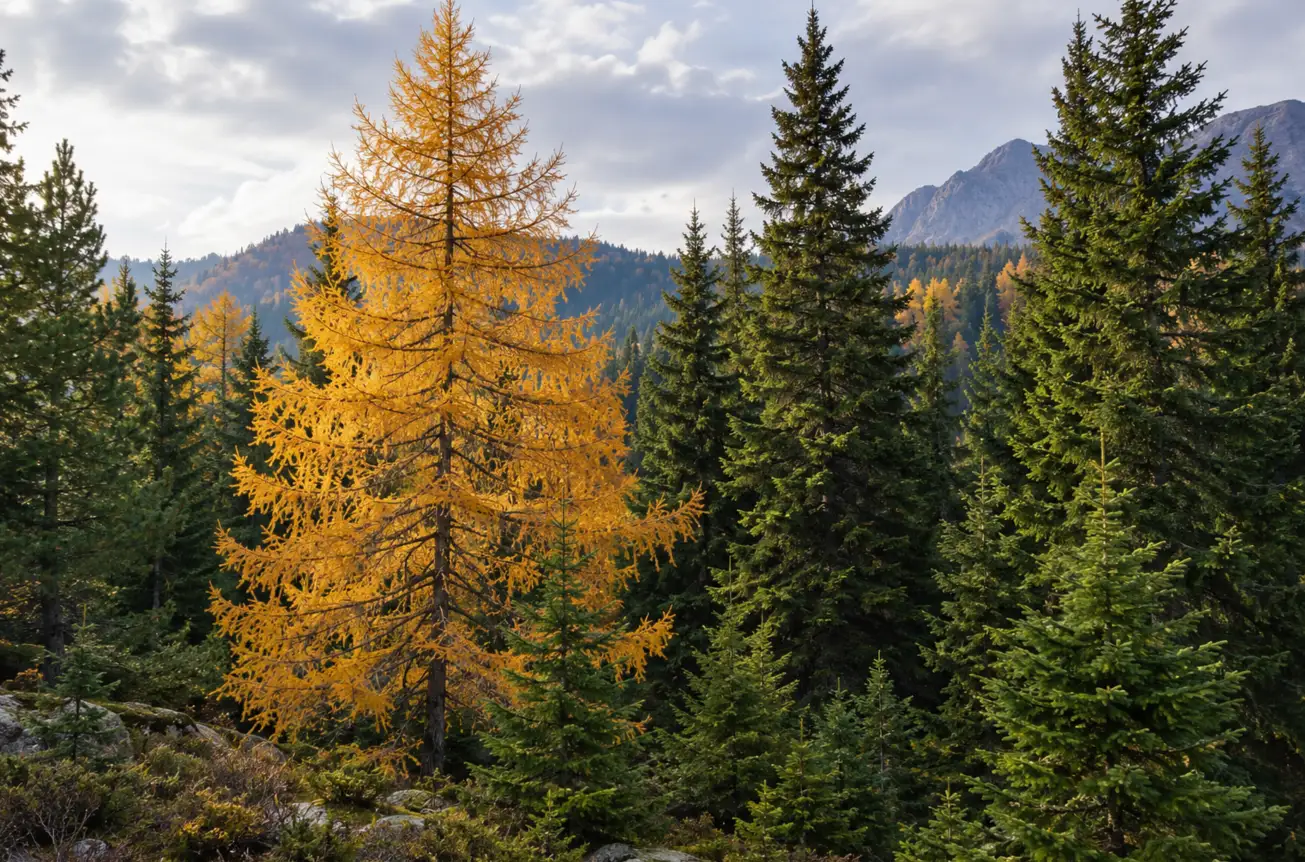
No. Most conifers are evergreen, but larches, dawn redwoods and bald cypresses are deciduous. They shed their needles seasonally and grow new ones.

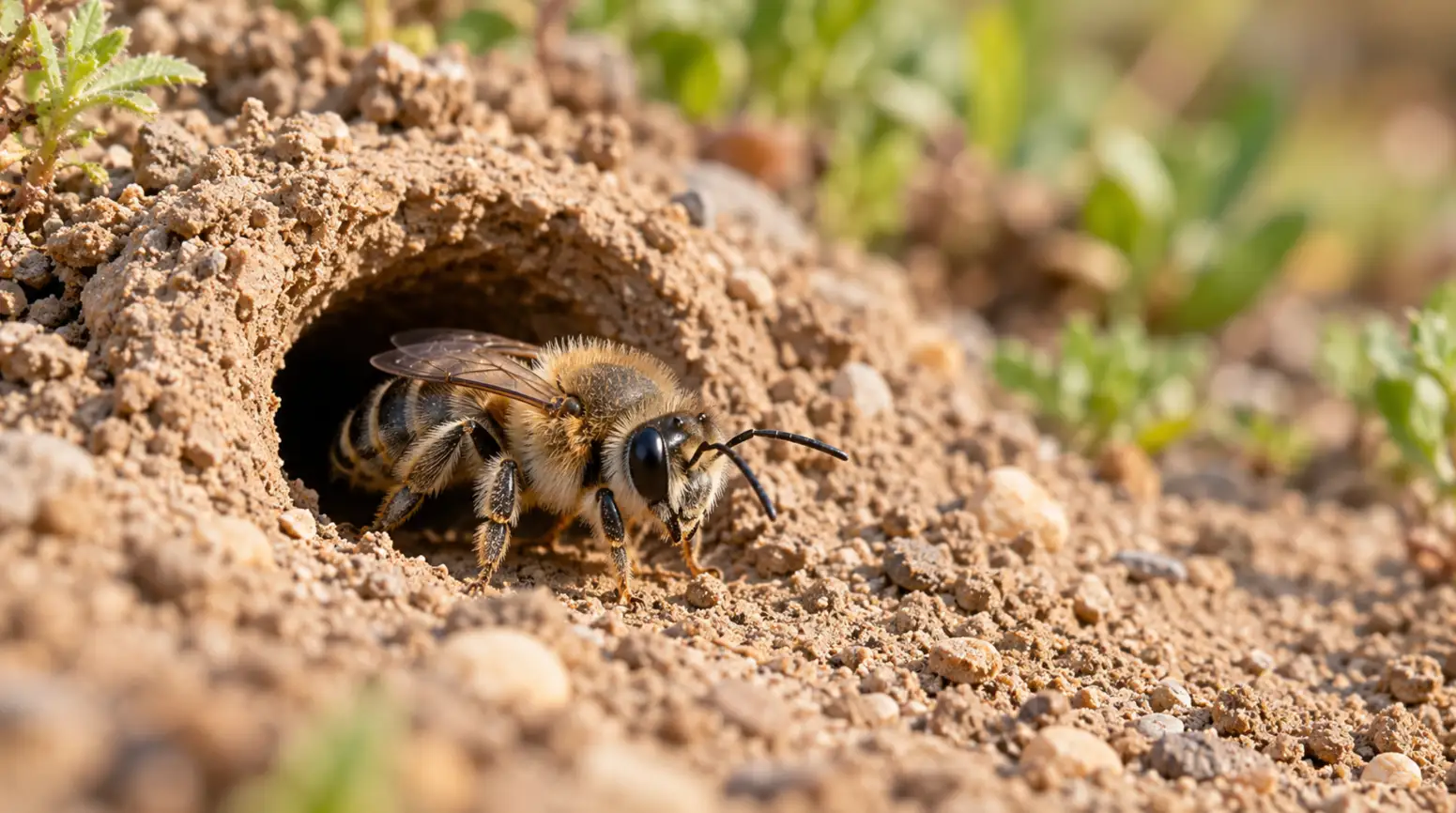
No. Many bee species are solitary: females prepare their own nests and provide food for their offspring. Nearby nests do not necessarily form a social colony.

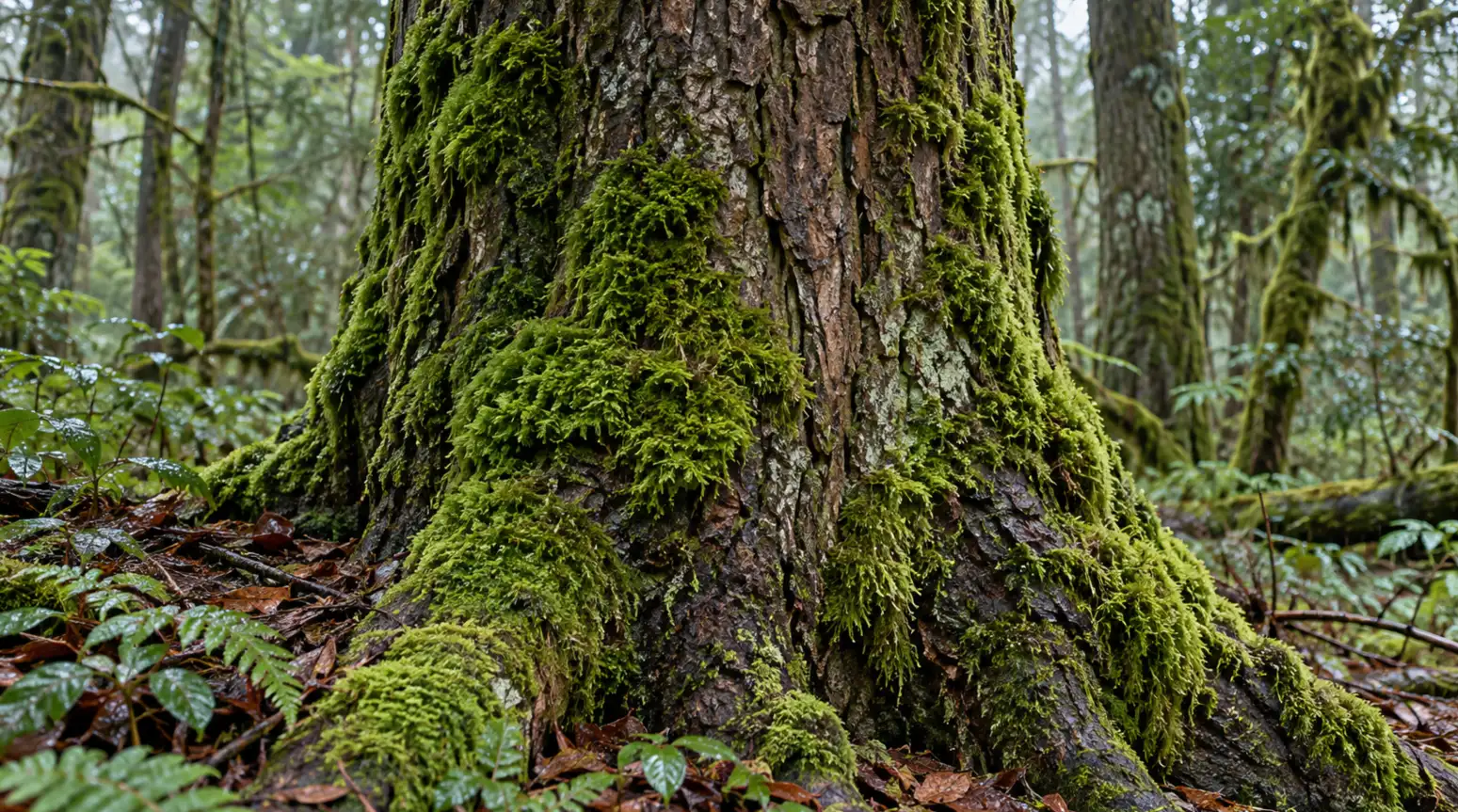
No. Moss can grow on different sides of a tree. Moisture, shade and the way rainwater flows along the trunk help determine where it grows.

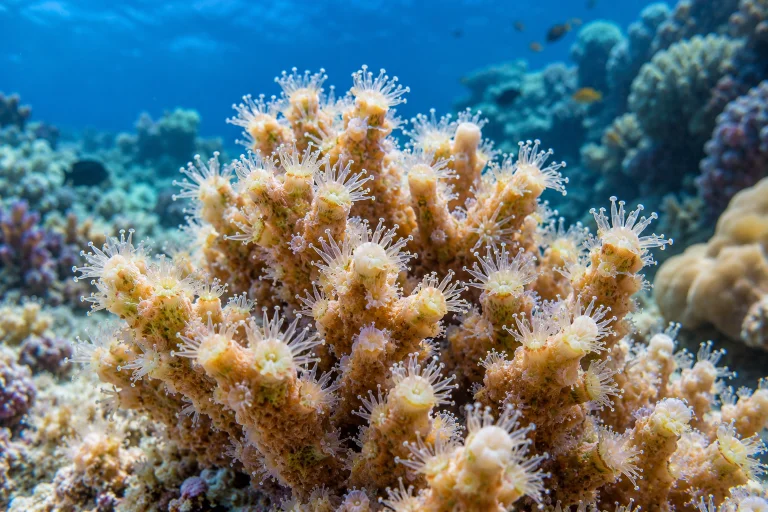
Yes. Corals are animals called polyps. Tropical reef-building corals host microscopic algae, but that partnership does not make the corals plants.

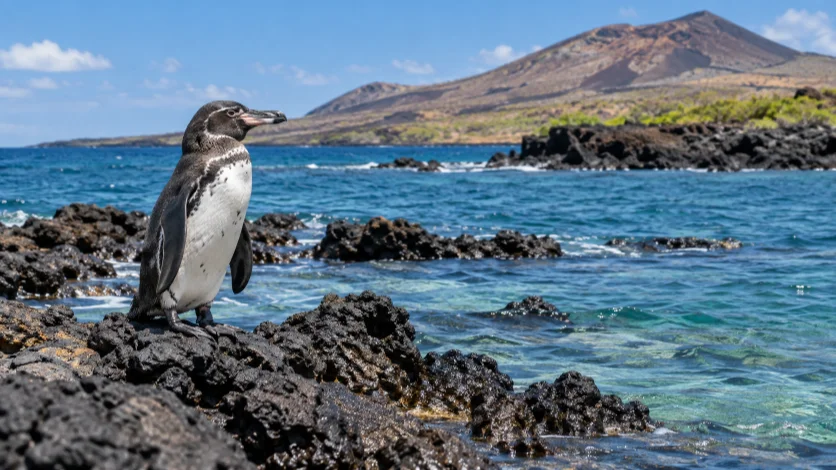
No. Wild penguins also live outside Antarctica, including in South America, New Zealand and the Galápagos Islands. Some live near the equator.

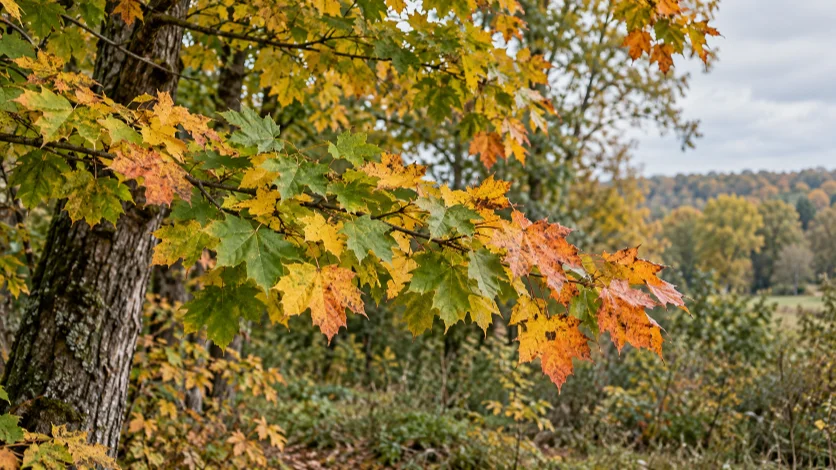
No. Shorter days help trigger changes that reduce green chlorophyll. Weather also influences when autumn colours appear and how long they last.