Penguin habitats extend beyond Antarctic ice
Smithsonian Ocean
Smithsonian describes Humboldt penguins in Chile and Peru and yellow-eyed penguins on an island off New Zealand.
Based on: Smithsonian Ocean

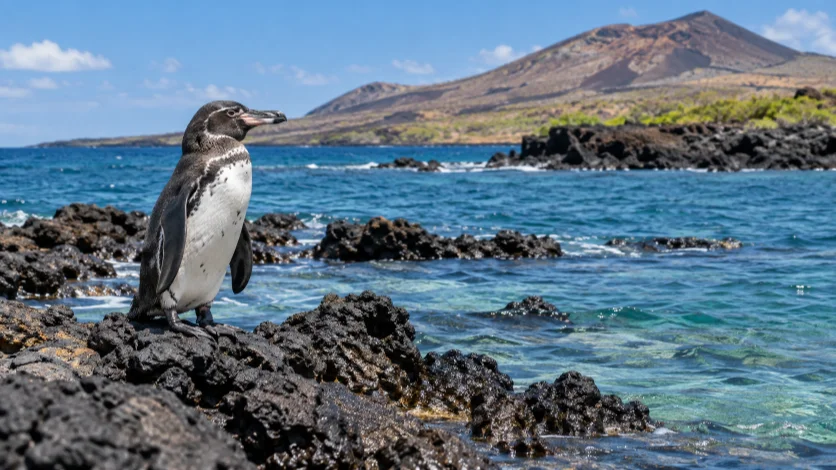
No. Antarctica is home to some penguin species, but wild penguins also inhabit other regions, including parts of South America, New Zealand and the Galápagos Islands.
Smithsonian describes penguins living along desert coasts and on forested islands. Galapagos Conservation Trust documents the Galápagos penguin, whose natural range reaches north of the equator.
Equatorial penguins do not mean warm ocean water is unimportant. Cool, nutrient-rich currents help support Galápagos penguins. Their habitat shows why penguin distribution cannot be reduced to a picture of Antarctic ice.
Penguins are not restricted to Antarctica. Their natural habitats include temperate coasts and equatorial islands.
Smithsonian Ocean
Smithsonian describes Humboldt penguins in Chile and Peru and yellow-eyed penguins on an island off New Zealand.
Based on: Smithsonian Ocean
Galapagos Conservation Trust
The Trust identifies the Galápagos penguin as endemic to the archipelago, with a range extending north of the equator.
Based on: Galapagos Conservation Trust
Galapagos Conservation Trust
The Trust explains that cool, nutrient-rich waters brought by the Humboldt and Cromwell currents help penguins inhabit Galápagos.
Based on: Galapagos Conservation Trust
Was this check helpful?
Sign in required
Sign in required
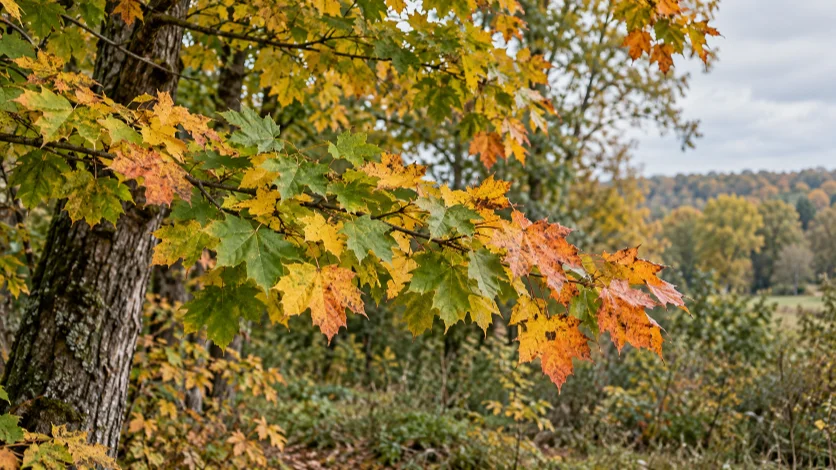
No. Shorter days help trigger changes that reduce green chlorophyll. Weather also influences when autumn colours appear and how long they last.
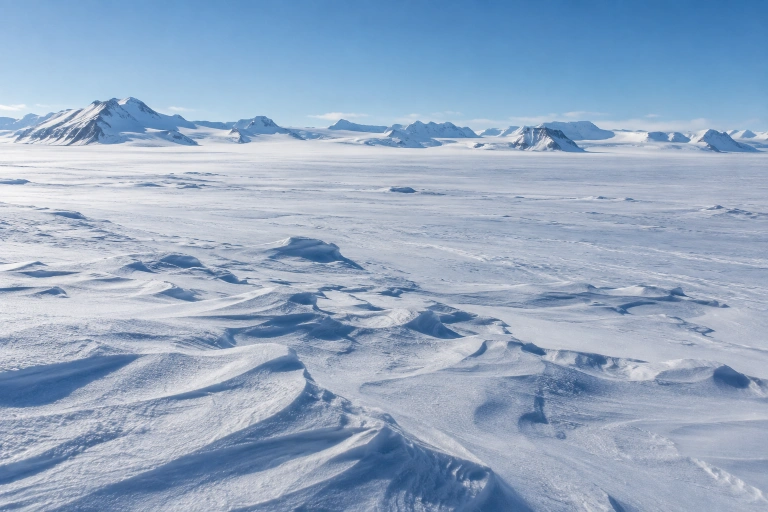
Yes. Antarctica is a polar desert because it receives little precipitation, especially inland. Its thick ice reflects accumulated snowfall, not a wet climate everywhere.
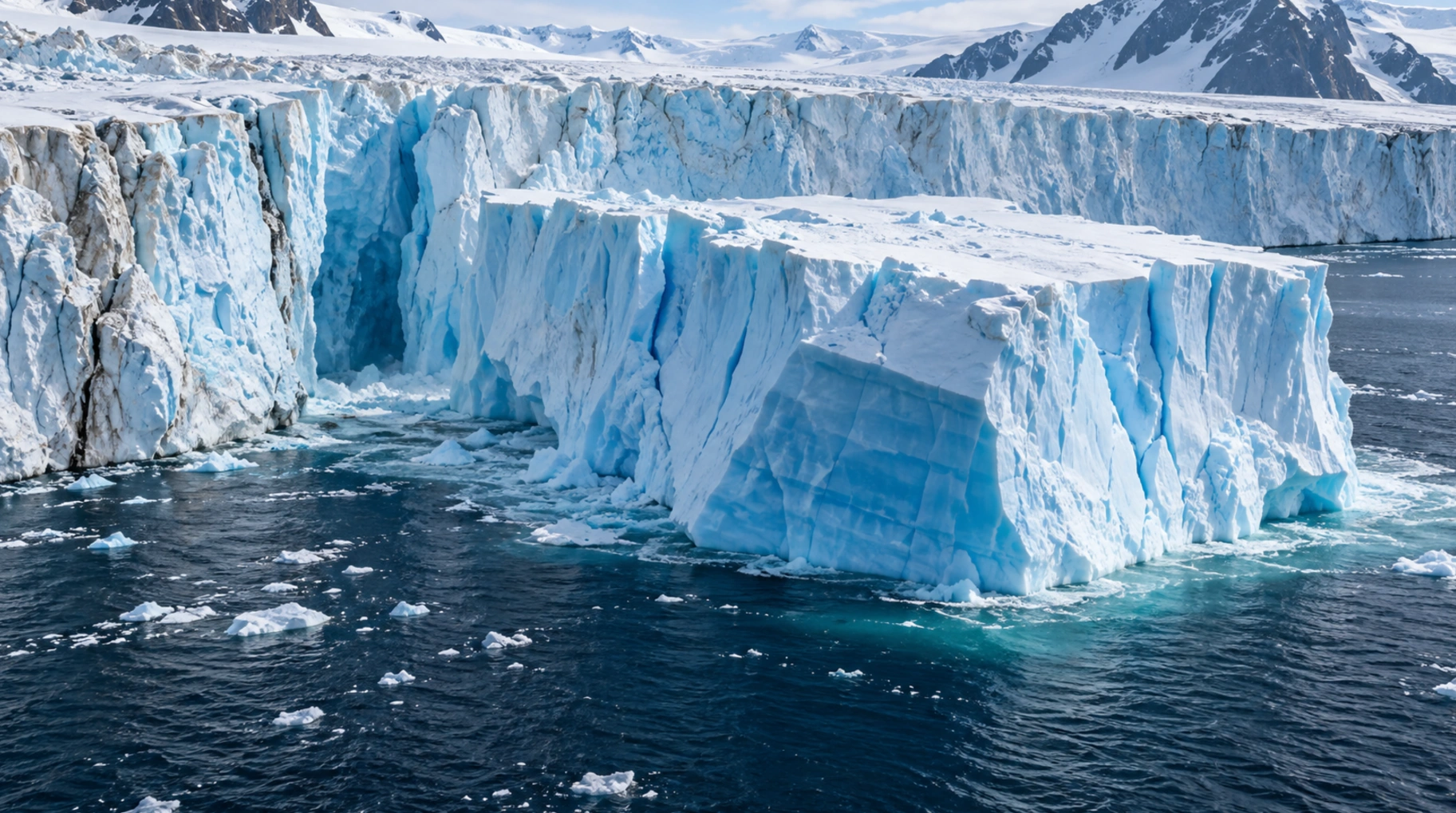
No. Icebergs break away from glaciers or ice shelves. Their glacial ice originates on land, unlike sea ice, which forms when seawater freezes.