Coral polyps are animals that capture food
NOAA
NOAA identifies corals as animals and describes their tentacles, feeding and colony structure.
Based on: NOAA

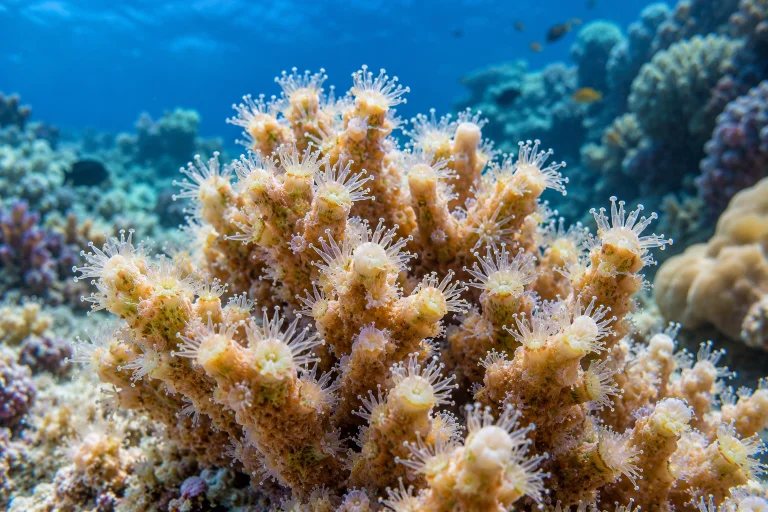
Yes. Corals are animals, even though their appearance can resemble plants or rocks. Their living bodies are called polyps, and many species form colonies.
NOAA describes polyps using tentacles to capture food. The Smithsonian independently identifies corals as animals and explains that tropical reef-building corals house microscopic algae within their tissues.
The algae make food through photosynthesis and share it with their coral hosts. That partnership does not turn the host into a plant. In stony corals, the hard calcium carbonate skeleton is also distinct from the living animal that produces it.
A coral animal, its resident algae and its mineral skeleton are different things.
NOAA
NOAA identifies corals as animals and describes their tentacles, feeding and colony structure.
Based on: NOAA
Smithsonian Ocean
The Smithsonian identifies corals as animals and distinguishes tropical reef-building corals from the microscopic algae living inside their tissues.
Based on: Smithsonian Ocean
Was this check helpful?
Sign in required
Sign in required
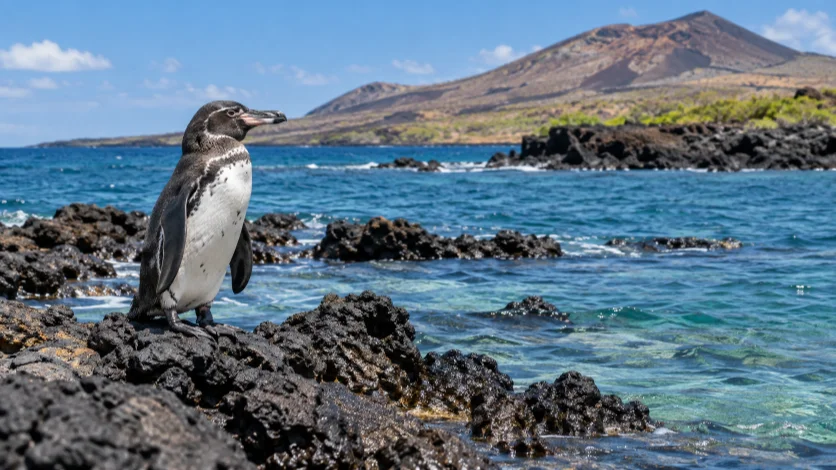
No. Wild penguins also live outside Antarctica, including in South America, New Zealand and the Galápagos Islands. Some live near the equator.
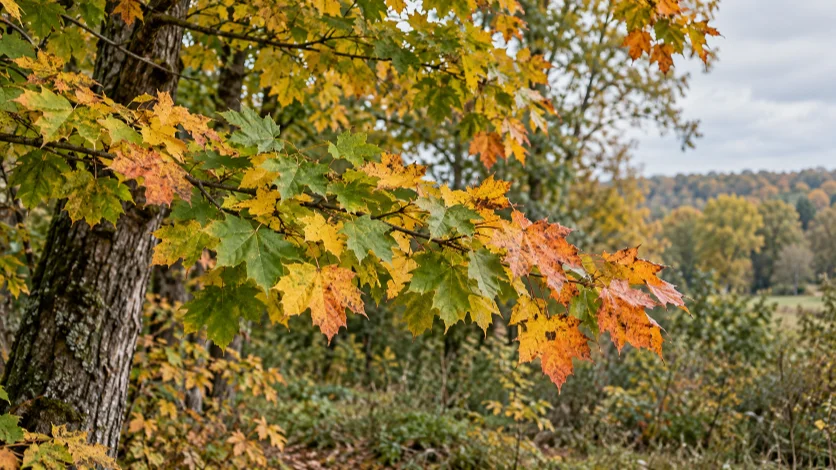
No. Shorter days help trigger changes that reduce green chlorophyll. Weather also influences when autumn colours appear and how long they last.
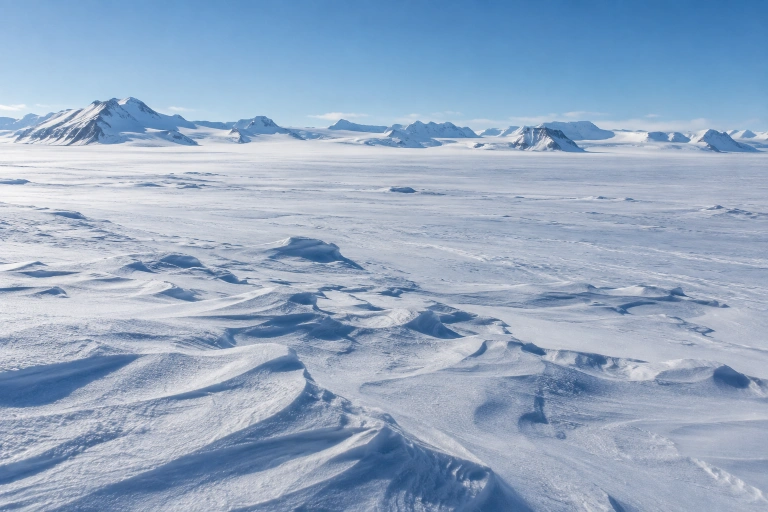
Yes. Antarctica is a polar desert because it receives little precipitation, especially inland. Its thick ice reflects accumulated snowfall, not a wet climate everywhere.