Trooday
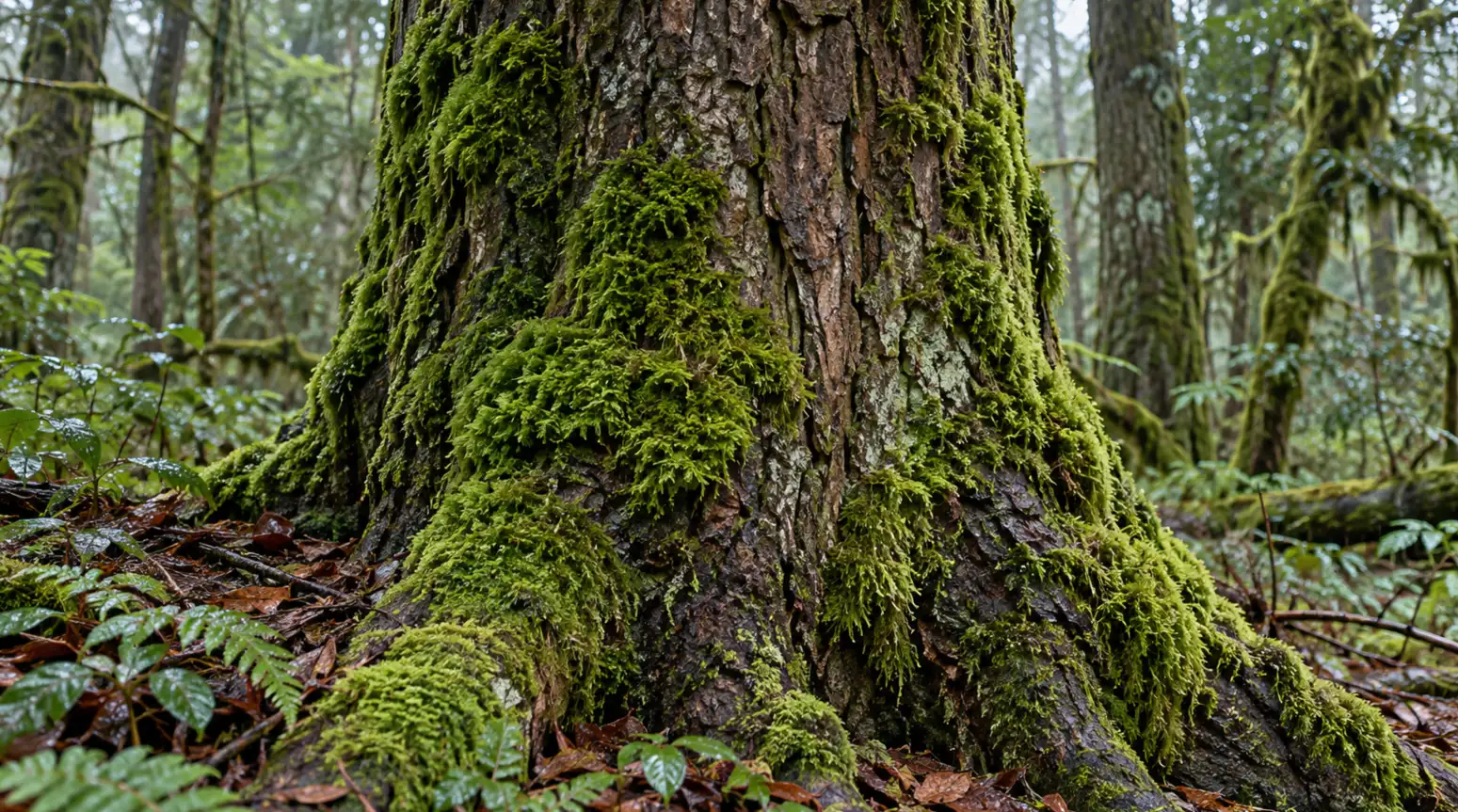
Green moss growing across several surfaces of a damp tree trunk in woodland.
Environment

Does moss grow only on the north side of trees?

Published

Verdict
False
Verification confidenceHigh

Explanation

No. Moss is not restricted to the north side of trees. Its distribution depends on suitable growing conditions, particularly access to moisture.

The Woodland Trust explains that shade can favour north-facing growth in the Northern Hemisphere, but rain and wind also influence its location. A published account of investigations on American beech trees reports greater moss abundance on the southern side of some leaning trunks, where rainwater flowed downward.

A tendency is not a universal rule. Tree shape and water flow can favour moss on other surfaces, so a patch of moss does not reliably identify north.

Key takeaway

Moss follows suitable moisture conditions, not a fixed compass direction.

Evidence

Moss is not confined to north-facing surfaces

Woodland Trust

Contradicts the claim

The botanical explainer states that moss does not occur exclusively on the north side of trees and describes moisture, wind and rain as influences on its distribution.

Based on: Woodland Trust

Beech-tree investigations found south-side growth

Christopher Dobson, Stephanie Oostdyk and Patricia Radtke

Contradicts the claim

The authors describe investigations in which leaning beech trees on a south-facing slope had more moss on their southern exposure. Rainwater channelled down the trunks helped explain the pattern.

Based on: The Science Teacher

Shade helps explain the familiar tendency

Woodland Trust

Provides context

In the Northern Hemisphere, north-facing surfaces can provide damp, shaded conditions that favour moss. This tendency does not exclude growth elsewhere.

Based on: The Science Teacher

Was this check helpful?

Sign in required

Sign in required

How we check claims

Related checks

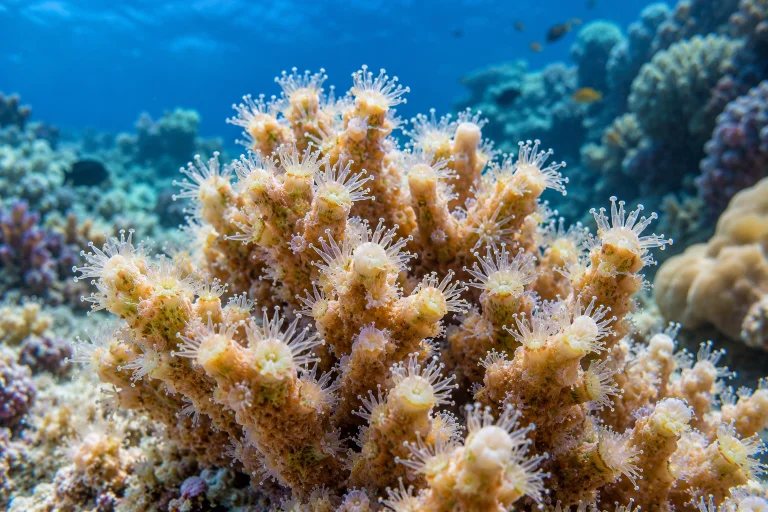
Close-up of living coral polyps with their tentacles extended underwater.
Environment

Are corals animals?

Yes. Corals are animals called polyps. Tropical reef-building corals host microscopic algae, but that partnership does not make the corals plants.

Verdict
True
Verification confidenceHigh