Solar cells do not require direct sunshine
Energy Saving Trust
The guide states that solar cells can work on cloudy days and that stronger sunshine produces more electricity.
Based on: Energy Saving Trust

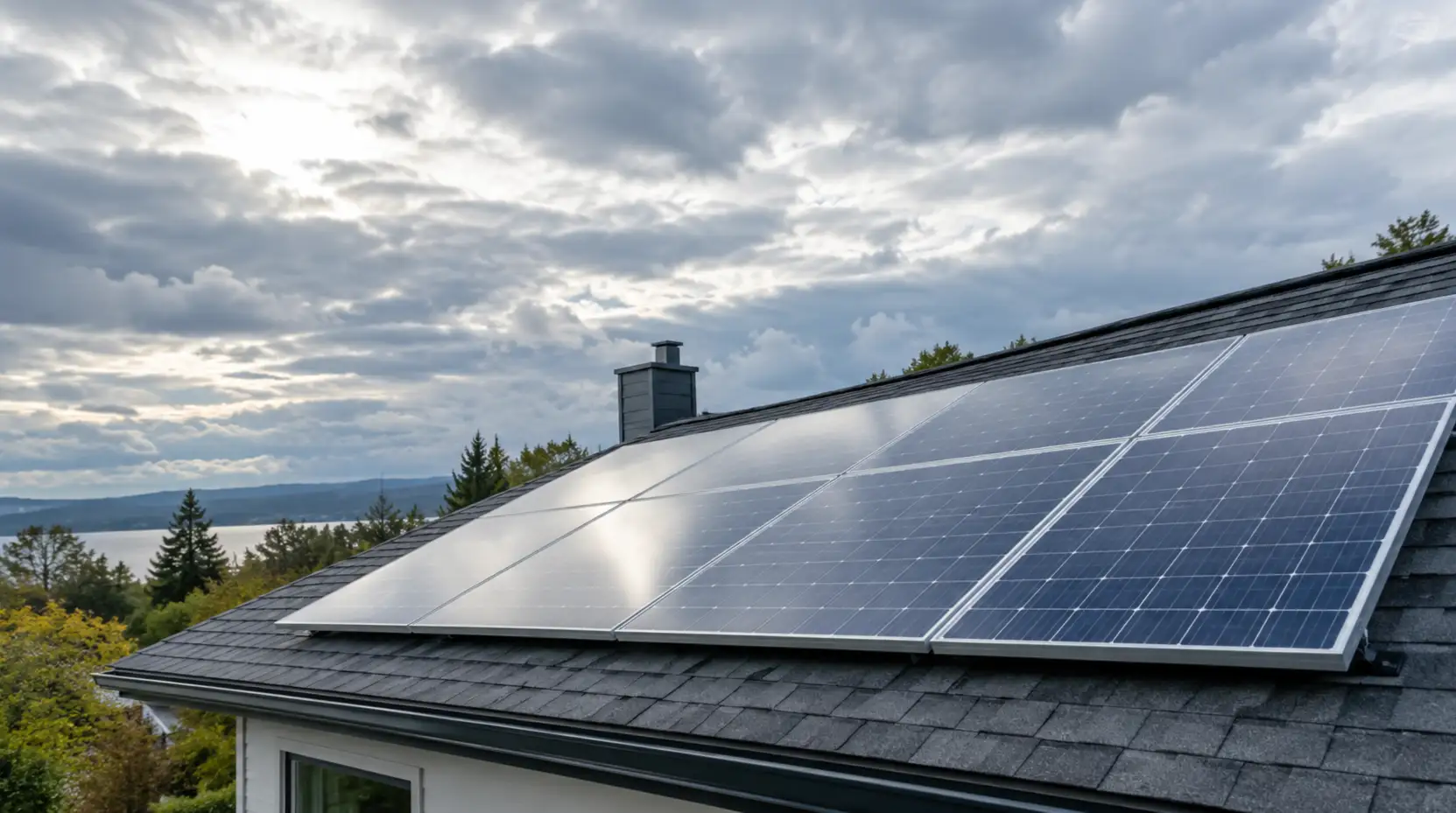
Yes. Photovoltaic solar panels can generate electricity on cloudy days. They do not require an unobstructed beam of direct sunshine to work.
The Energy Saving Trust explicitly explains that solar cells work without direct sunlight. The U.S. Department of Energy distinguishes direct sunlight from diffuse radiation scattered by the atmosphere, including clouds.
Working under clouds does not mean producing the same output as in strong sunshine. Generation depends on how much sunlight reaches the cells, so this answer does not establish a fixed cloudy-day output or guarantee enough electricity for a particular use.
Clouds can reduce solar generation without stopping it. Direct sunshine is not the only usable daylight.
Energy Saving Trust
The guide states that solar cells can work on cloudy days and that stronger sunshine produces more electricity.
Based on: Energy Saving Trust
U.S. Department of Energy
The DOE distinguishes direct from diffuse solar radiation and explains that clouds scatter sunlight and can block the direct beam.
Based on: U.S. Department of Energy
U.S. Department of Energy
The DOE explains that photovoltaic cells absorb energy from sunlight, creating electrical charges that produce a current.
Based on: U.S. Department of Energy
Was this check helpful?
Sign in required
Sign in required

No. Several stainless steel families are strongly attracted to magnets. Other grades respond weakly, and manufacturing can change their magnetic behaviour.

Yes. Synthetic aperture radar sends its own pulses and uses their echoes to form images. It can operate through clouds and without sunlight.
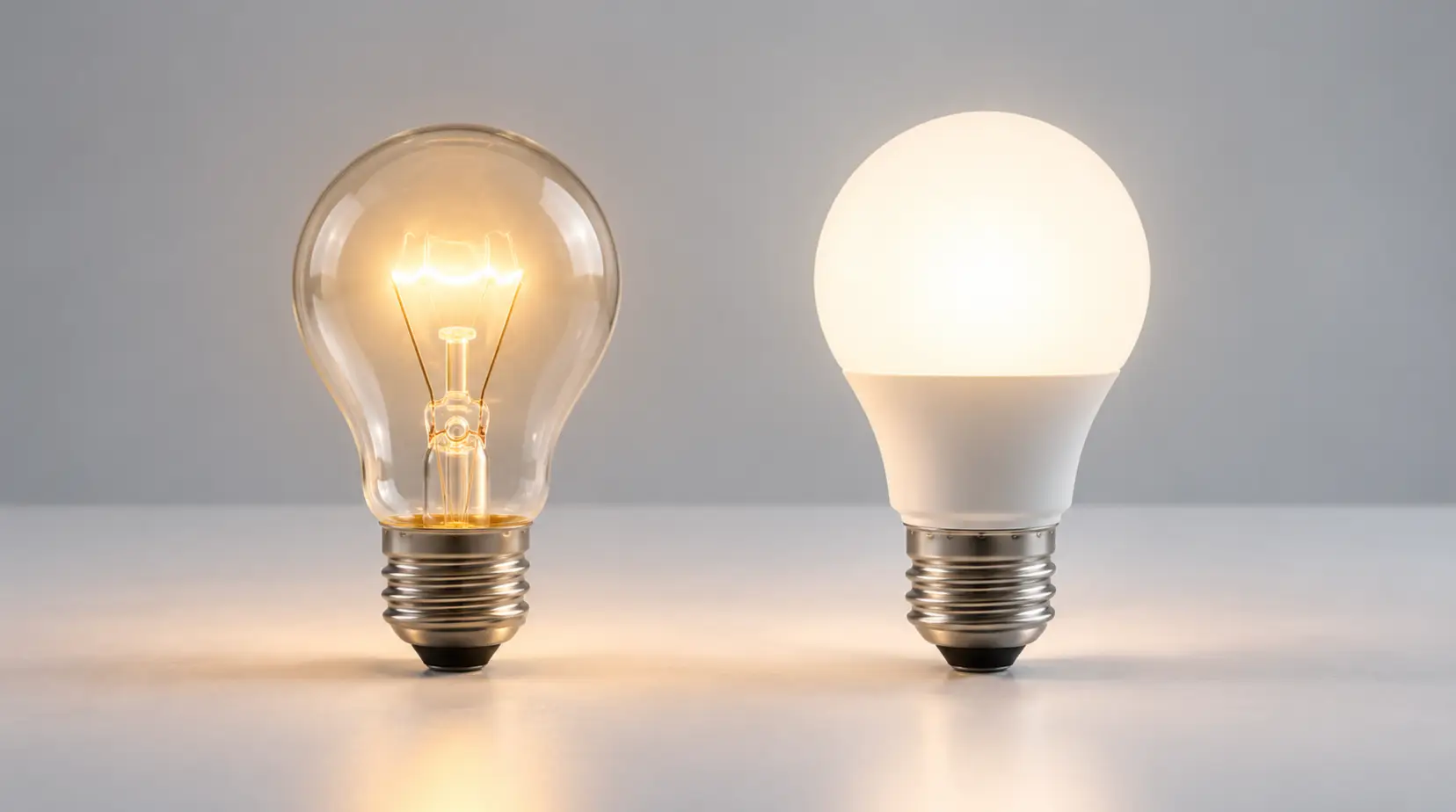
No. Watts measure power consumption, while lumens describe light output. A more efficient bulb can produce the same amount of light using fewer watts.