Different wattages can deliver the same light output
Federal Trade Commission
The FTC compares an approximately 9-watt LED with a traditional 60-watt incandescent bulb, each producing about 800 lumens.
Based on: Federal Trade Commission

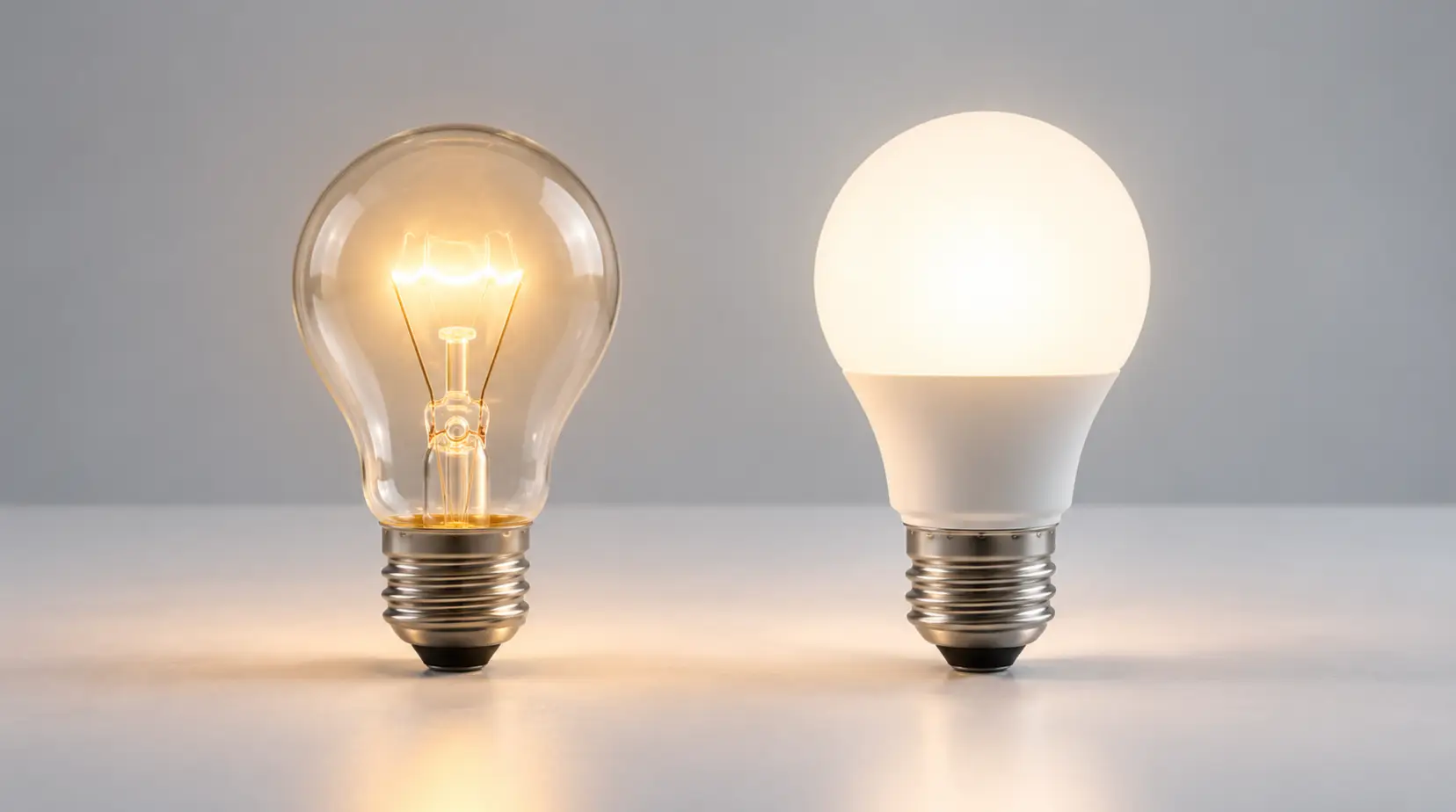
No. A higher wattage does not always mean more light, especially when comparing different lighting technologies. Watts measure electrical power consumption; lumens describe light output.
The FTC illustrates this with a traditional 60-watt incandescent bulb and an LED using about 9 watts, both producing roughly 800 lumens. Energy Saving Trust independently recommends comparing lumens because efficient bulbs need fewer watts.
Wattage was a familiar shortcut when comparing traditional bulbs, but it is not a universal brightness scale. Light appearance is another separate characteristic: a warmer or cooler color does not replace the lumen rating.
Compare lumens for light output and watts for power consumption. The two measurements describe different things.
Federal Trade Commission
The FTC compares an approximately 9-watt LED with a traditional 60-watt incandescent bulb, each producing about 800 lumens.
Based on: Federal Trade Commission
Energy Saving Trust
The guide distinguishes watts from lumens and explains that energy-efficient bulbs use fewer watts, making lumens the appropriate comparison for light output.
Based on: Energy Saving Trust
Was this check helpful?
Sign in required
Sign in required

No. Several stainless steel families are strongly attracted to magnets. Other grades respond weakly, and manufacturing can change their magnetic behaviour.
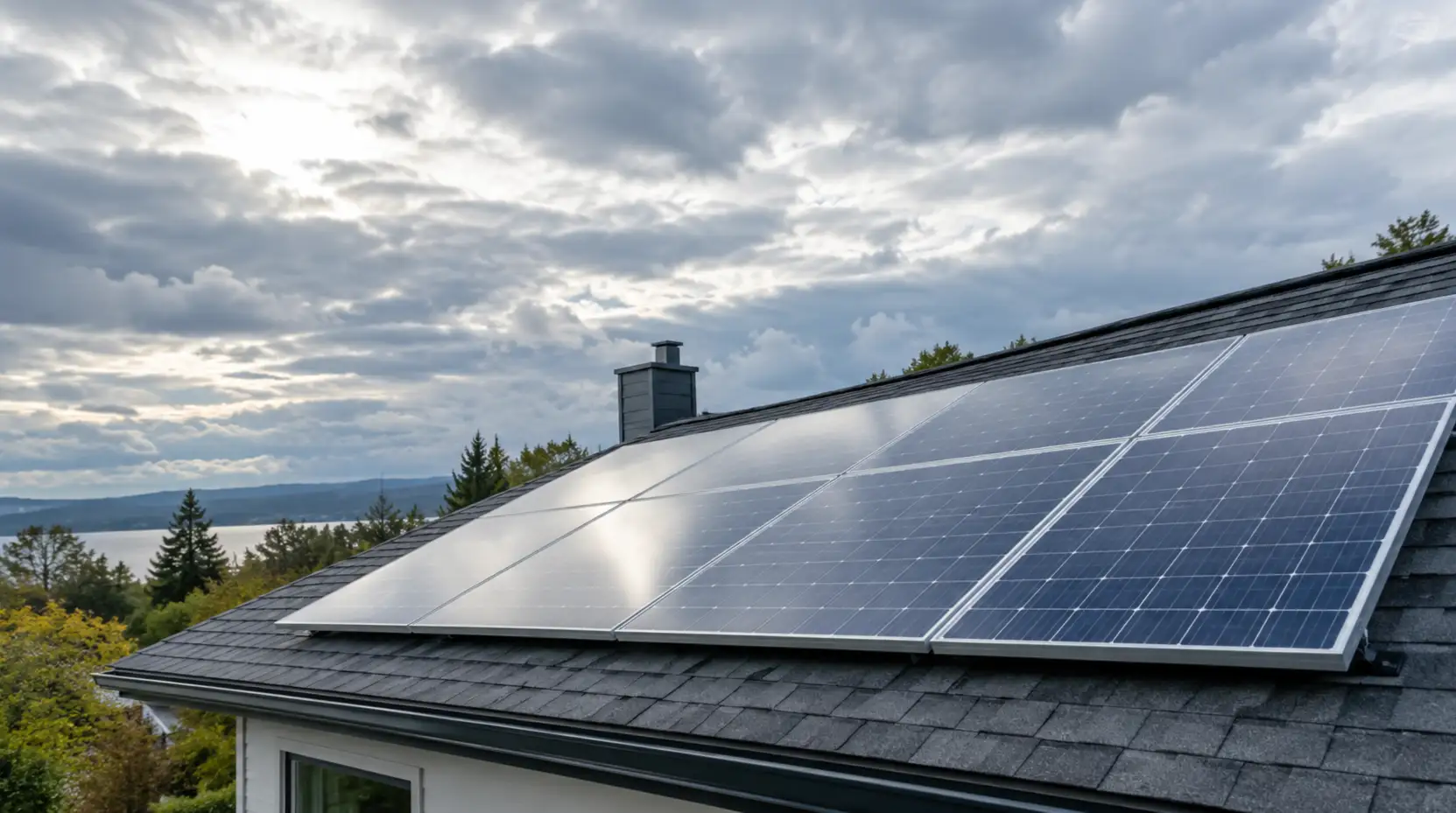
Yes. Solar panels can use diffuse daylight when clouds block direct sunshine. Their output generally falls as less sunlight reaches the cells.

Yes. Synthetic aperture radar sends its own pulses and uses their echoes to form images. It can operate through clouds and without sunlight.