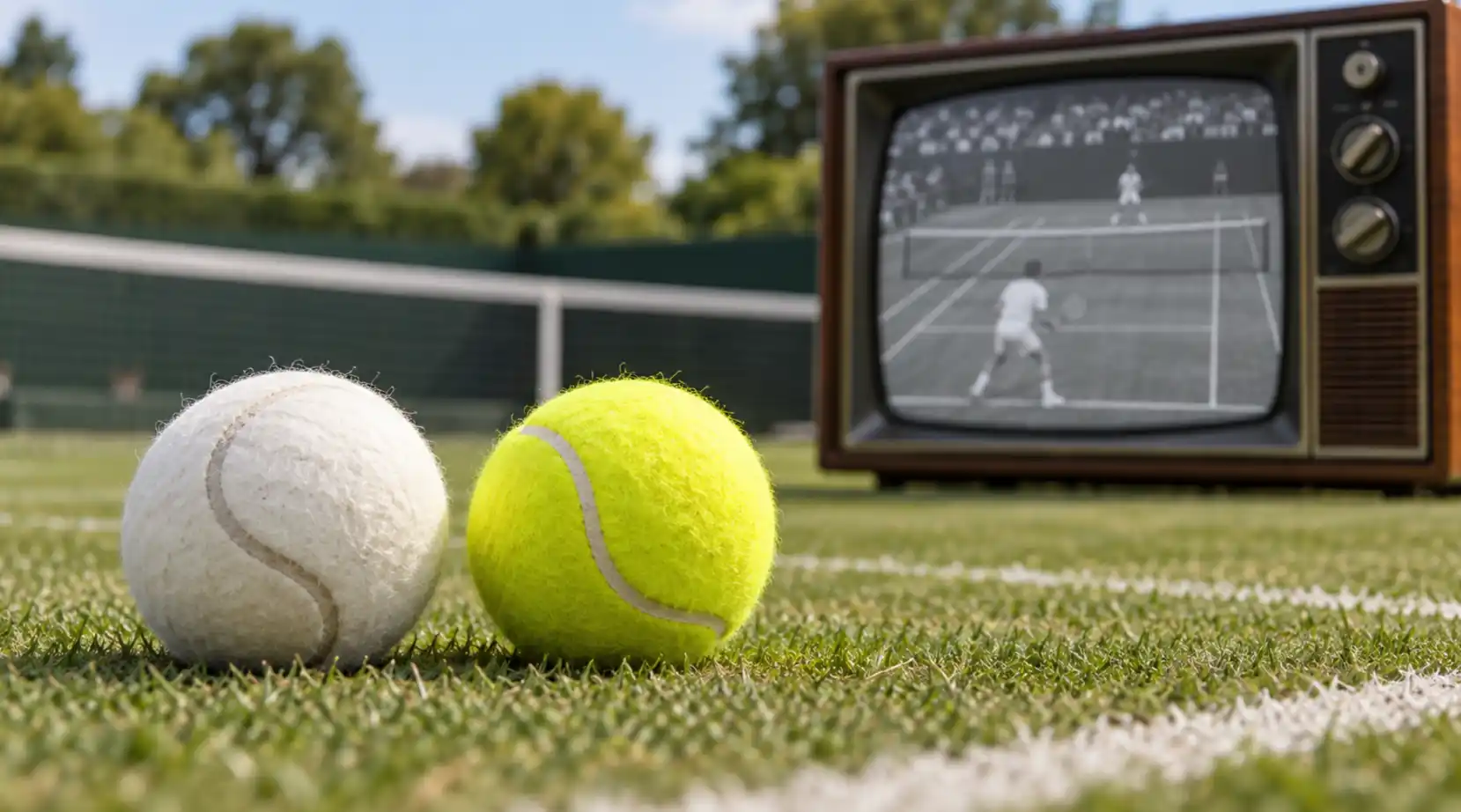
Were yellow tennis balls introduced to make them easier to see on television?
Yes. Yellow balls entered the rules in 1972 after research found them easier to see on television. Wimbledon continued using white balls until 1986.
14 recent checks in this topic

Yes. Yellow balls entered the rules in 1972 after research found them easier to see on television. Wimbledon continued using white balls until 1986.

Yes. In beach volleyball, a block contact leaves the team with two more hits. Under FIVB's indoor rules, the block does not use up one of the three hits.

Yes. A return can travel around the outside of the net post below net height and land in the correct court. It does not have to pass over the net.

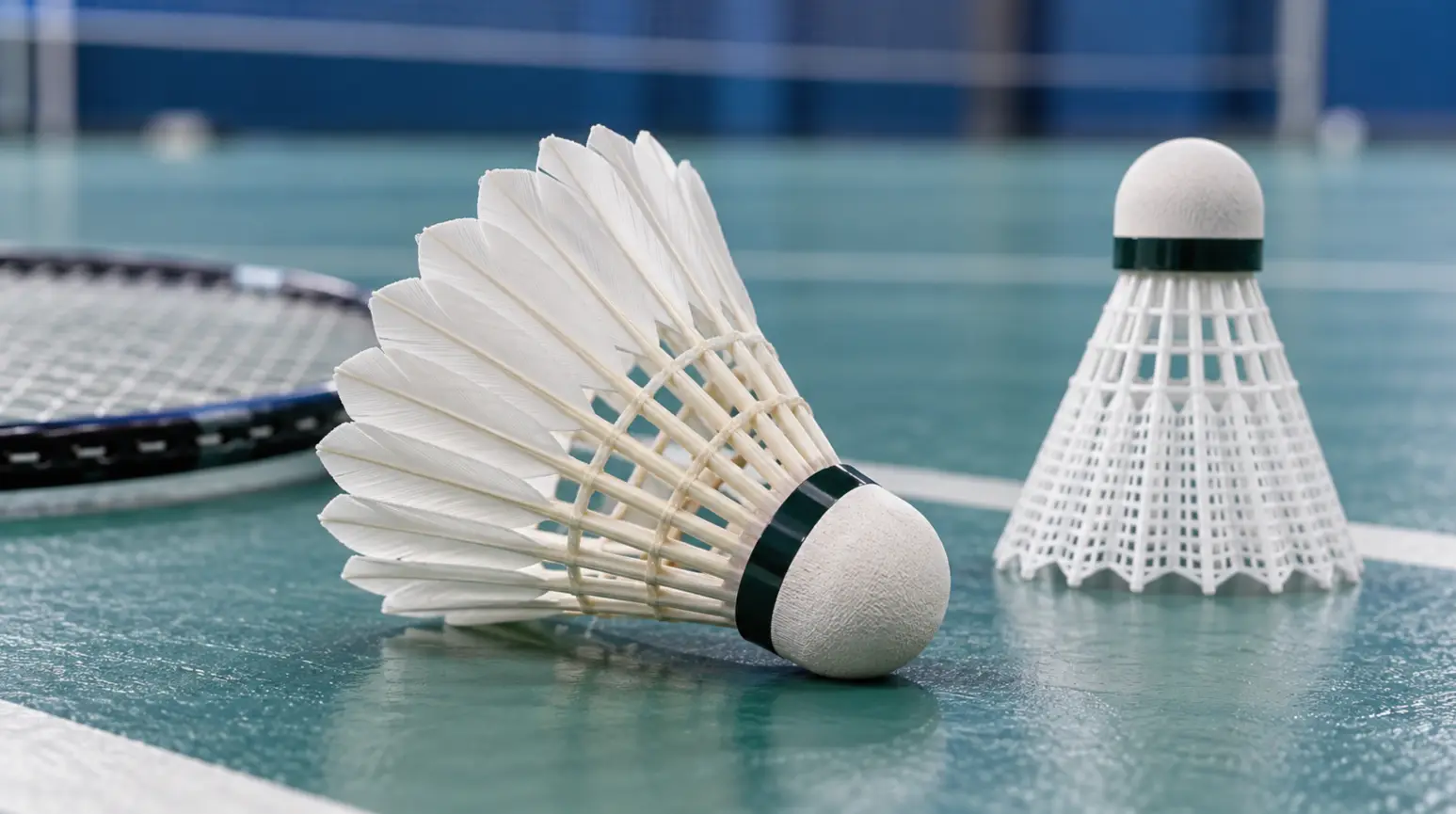
Yes. Law 2.2.1 specifies 16 feathers fixed into the base. Non-feathered synthetic shuttlecocks are covered separately, so the count does not describe every shuttle.

No. Receiving the ball directly from a throw-in is exempt from offside. A subsequent touch or pass by a team-mate can create a new offside situation.

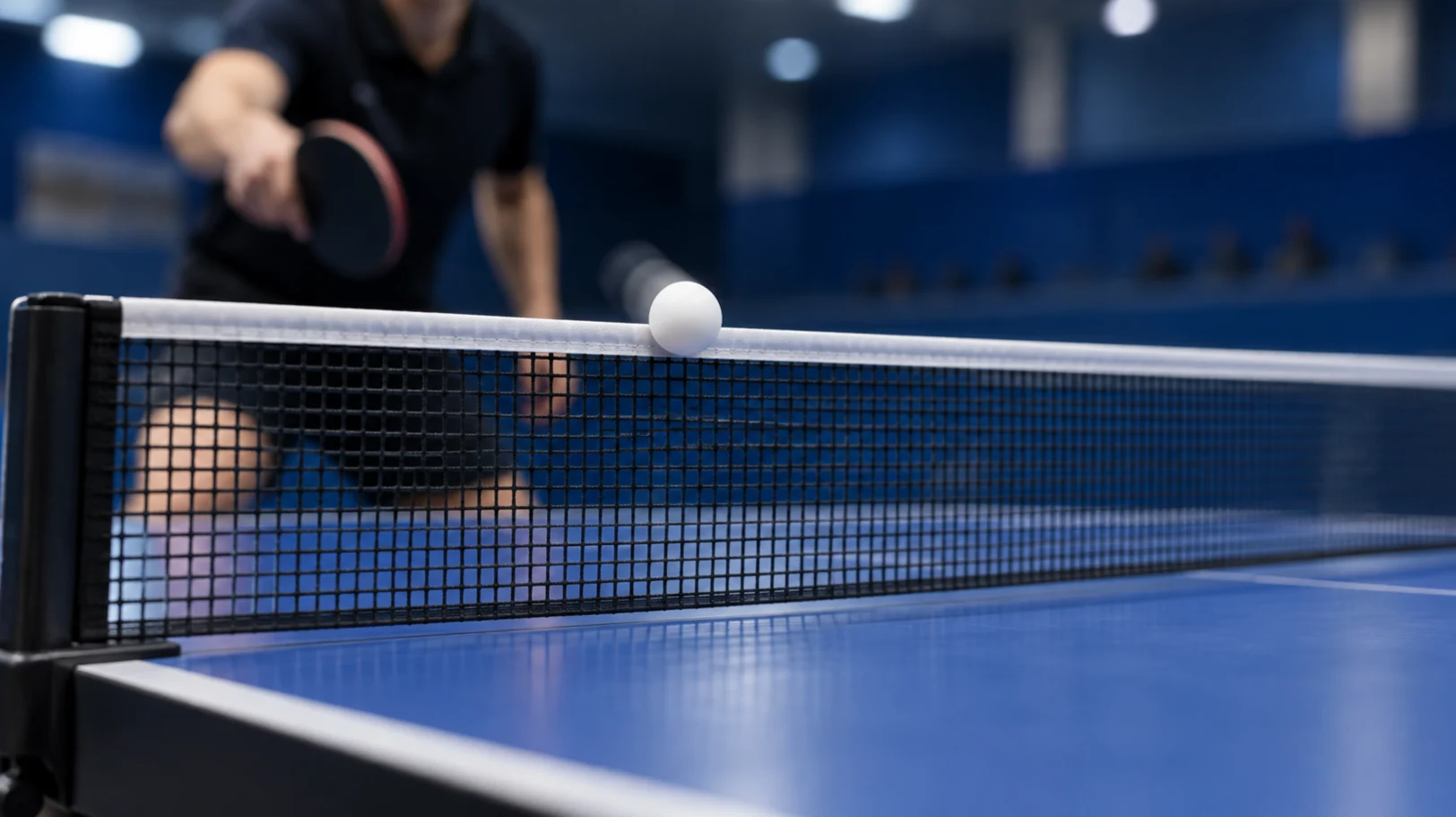
No. If the serve touches the net but is otherwise correct, it is a let and is replayed without scoring a point. Net contact alone does not decide the outcome.

Yes, if it touches a line bounding the correct court. Even slight contact counts; the relevant boundary depends on whether it is a serve, singles or doubles.

No. Early marathon distances varied. The 42.195-kilometre distance used at London 1908 became the official standard in 1921.