NASA places the impact in spring 2024
NASA
NASA's September 16, 2026 report states that McGetchin crater formed between April 11 and May 22, 2024, based on before-and-after lunar observations.
Based on: NASA

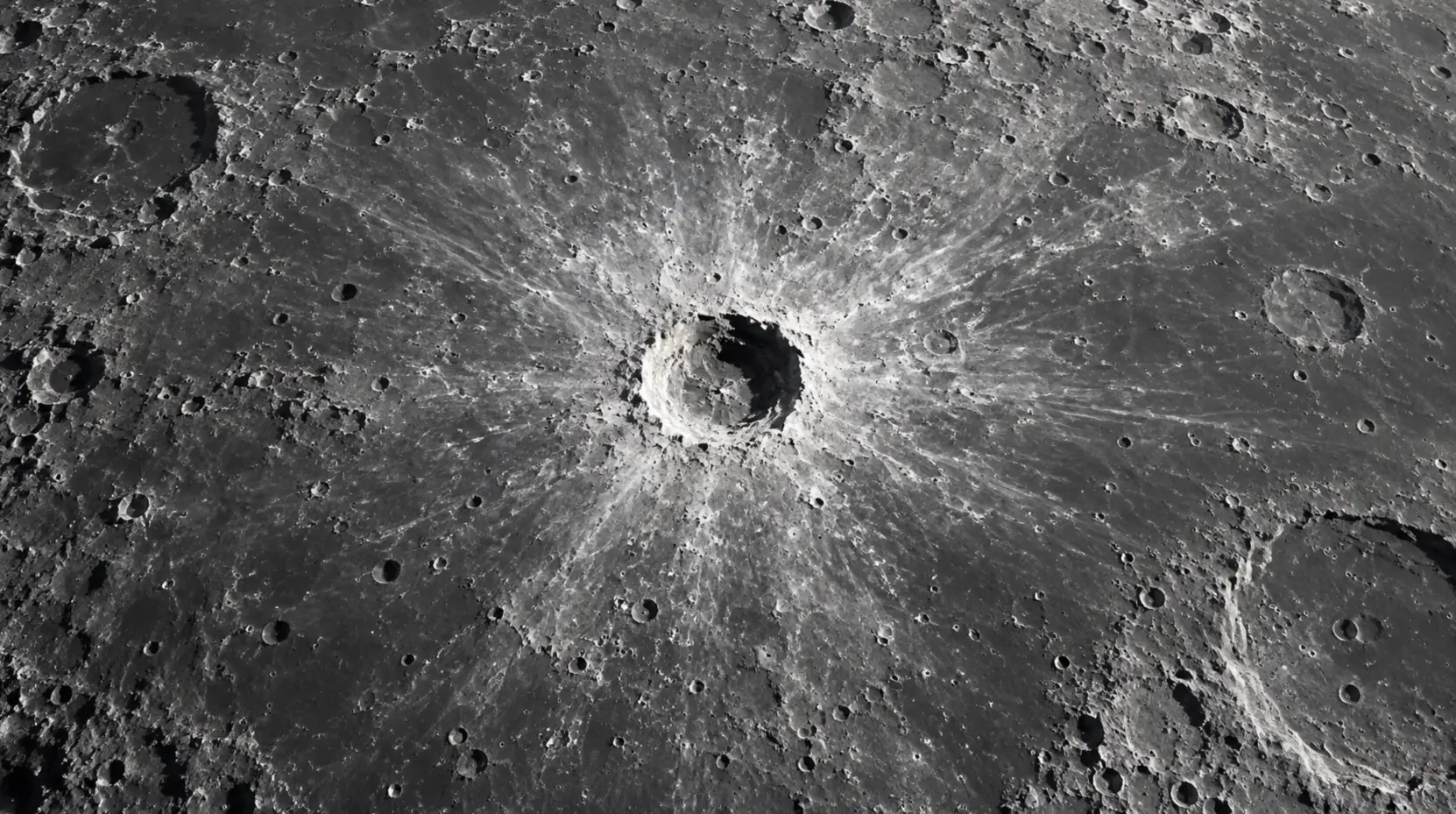
No. McGetchin crater did not form in September 2026. NASA and USRA place the impact between April 11 and May 22, 2024, although their reports were published on September 16, 2026.
The discovery used images from NASA's Lunar Reconnaissance Orbiter. Comparing observations from before and after the impact allowed researchers to constrain when the crater appeared. USRA reports a diameter of 222 metres.
Newly reported does not mean newly formed that month. The cited sources provide an impact window, not an exact day. Both accounts draw on the same research, so their agreement is not an independent replication.
The September 2026 announcement describes a crater formed in 2024. Keep the publication date separate from the event date.
NASA
NASA's September 16, 2026 report states that McGetchin crater formed between April 11 and May 22, 2024, based on before-and-after lunar observations.
Based on: NASA
Universities Space Research Association
USRA identifies the crater as 222 metres across and places its formation between April 11 and May 22, 2024. This account comes from an institution involved in the same study.
Based on: Universities Space Research Association
Was this check helpful?
Sign in required
Sign in required
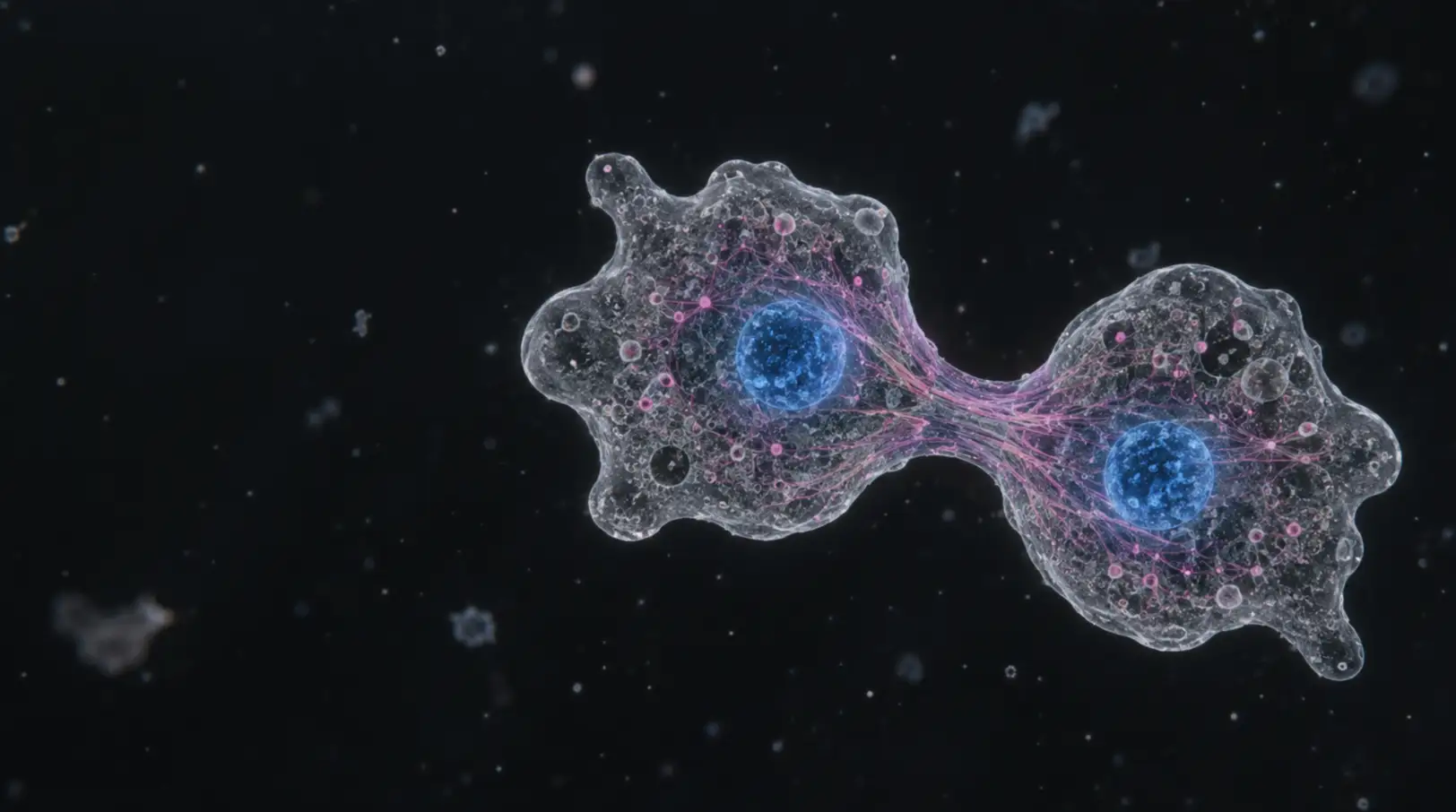
Yes. Researchers observed cell division at 63°C. Recovery after brief exposure to 70°C is a separate result and does not demonstrate reproduction at that temperature.

No. Bats have functional eyes and can see. Their visual abilities vary between species, so limited detail vision should not be confused with blindness.
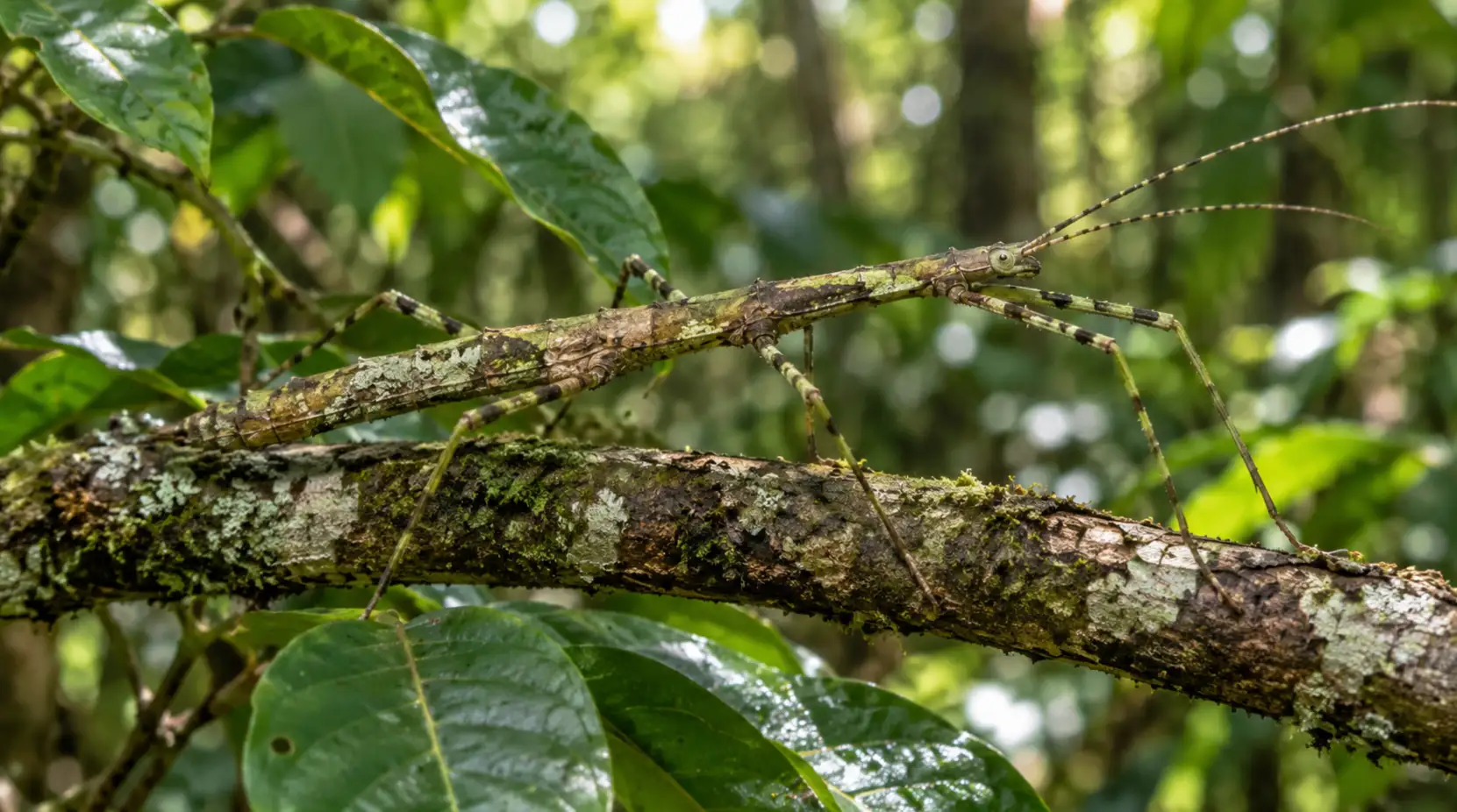
Yes. Researchers say the insect had been misidentified for decades. Recognising it as a new species does not mean it had never been observed before.