Sound requires a material medium
NASA
NASA explains that sound is a mechanical wave and cannot propagate through a vacuum without a medium.
Based on: NASA

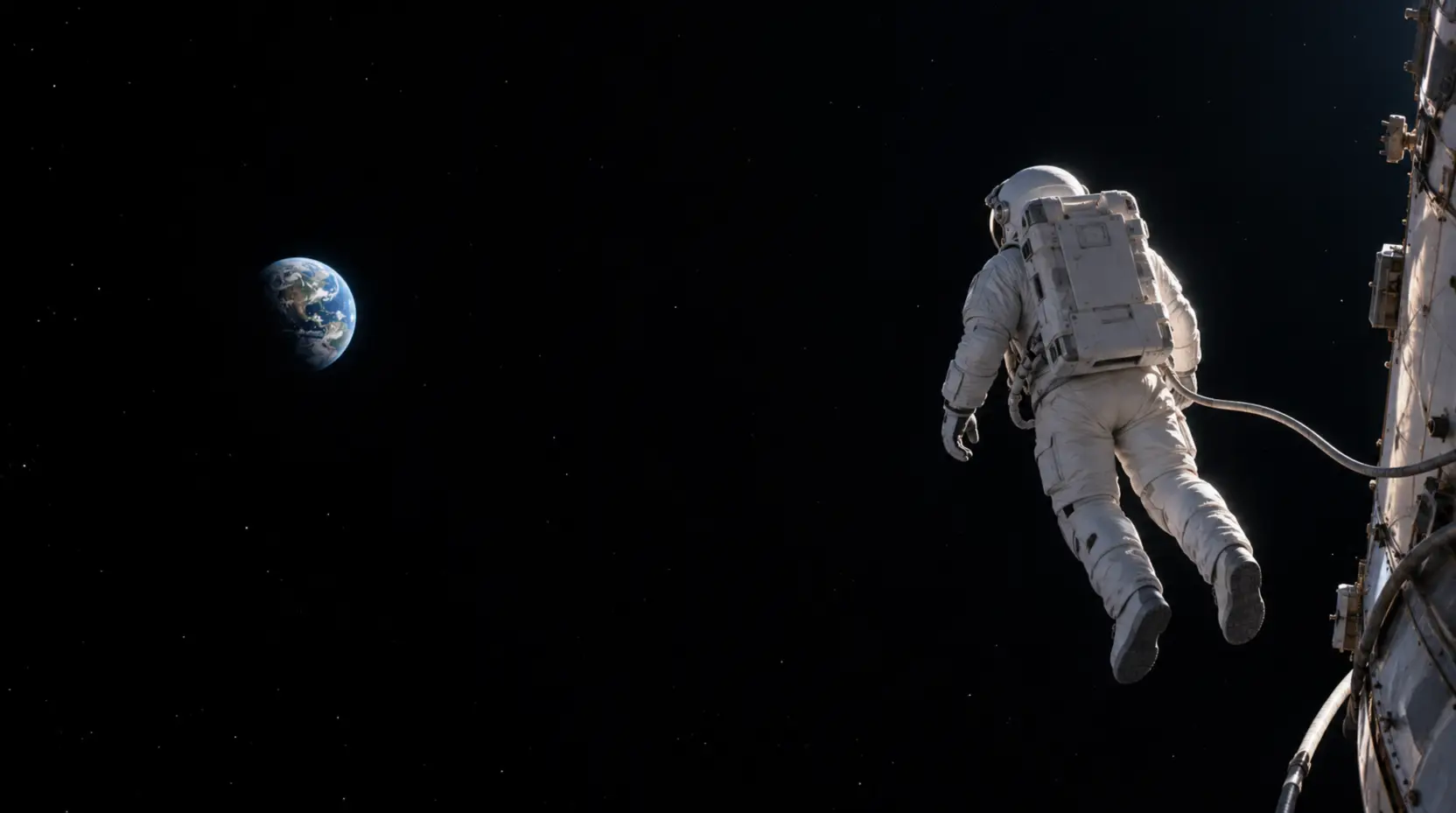
No. Sound cannot travel through a vacuum because it needs a material medium, such as air, water or a solid, to transmit vibrations.
NASA distinguishes mechanical waves, including sound, from electromagnetic waves. The latter can cross a vacuum. ESA likewise explains that sound cannot travel through the vacuum of space, although spacecraft interiors can be noisy.
The distinction is between a vacuum and places containing matter. Sound inside an air-filled spacecraft does not contradict the rule, and a radio signal crossing space is not a sound wave travelling through that vacuum.
Sound needs a material medium. Electromagnetic waves, including radio, do not.
NASA
NASA explains that sound is a mechanical wave and cannot propagate through a vacuum without a medium.
Based on: NASA
European Space Agency
ESA states that sound cannot travel through the vacuum of space, while noting that spacecraft interiors can be loud.
Based on: European Space Agency
NASA
Electromagnetic waves can propagate through a vacuum, explaining why radio transmission does not require sound to cross empty space.
Based on: NASA
Was this check helpful?
Sign in required
Sign in required

Yes. Researchers observed cell division at 63°C. Recovery after brief exposure to 70°C is a separate result and does not demonstrate reproduction at that temperature.

No. Bats have functional eyes and can see. Their visual abilities vary between species, so limited detail vision should not be confused with blindness.

Yes. Researchers say the insect had been misidentified for decades. Recognising it as a new species does not mean it had never been observed before.