NASA reports the youngest known planet
NASA
NASA's September 16 announcement identifies Elias 2-24 b as the youngest known planet and describes its age as less than a million years.
Based on: NASA

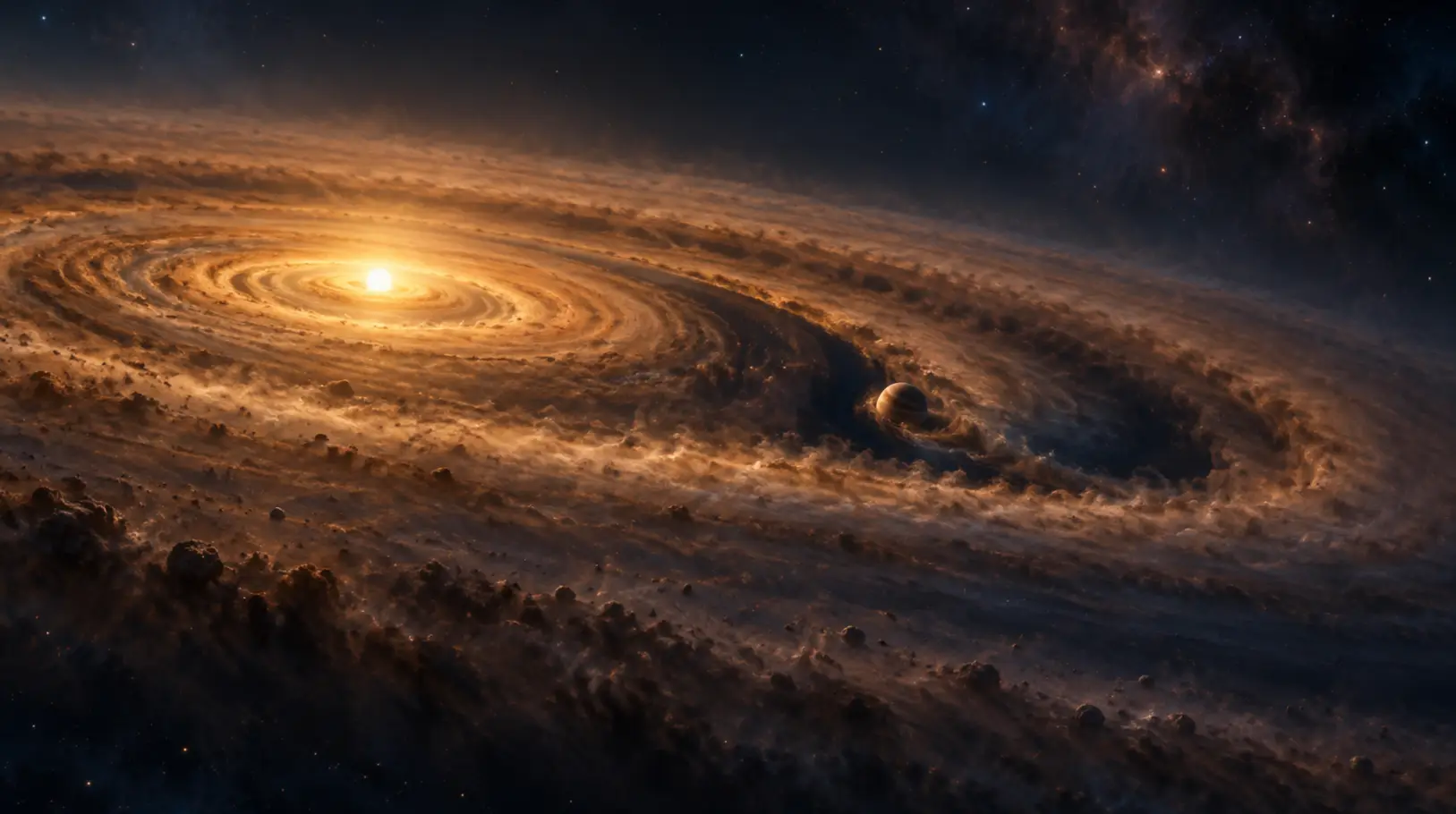
Yes. In September 2026, NASA and the W. M. Keck Observatory reported Elias 2-24 b as the youngest confirmed exoplanet known. NASA describes it as less than a million years old.
The confirmation combined observations from multiple telescopes, including archival Keck data. The planet lies within a gap in its host star's disk and is still gathering material, making it useful for studying early planetary growth.
The qualifier known matters. Astronomers have not surveyed every planet, and very young worlds are difficult to detect. The record concerns discoveries so far; it does not establish that Elias 2-24 b is the youngest planet anywhere in the Universe.
Elias 2-24 b holds a reported discovery record. Youngest known does not mean youngest in existence.
NASA
NASA's September 16 announcement identifies Elias 2-24 b as the youngest known planet and describes its age as less than a million years.
Based on: NASA
W. M. Keck Observatory
Keck reports the youngest exoplanet detected so far, confirmed using observations from Keck, ALMA and the Very Large Telescope.
Based on: W. M. Keck Observatory
NASA
NASA explains that young planets can be difficult to detect and that many early stages of planetary development remain beyond current observing capabilities.
Based on: NASA
Was this check helpful?
Sign in required
Sign in required
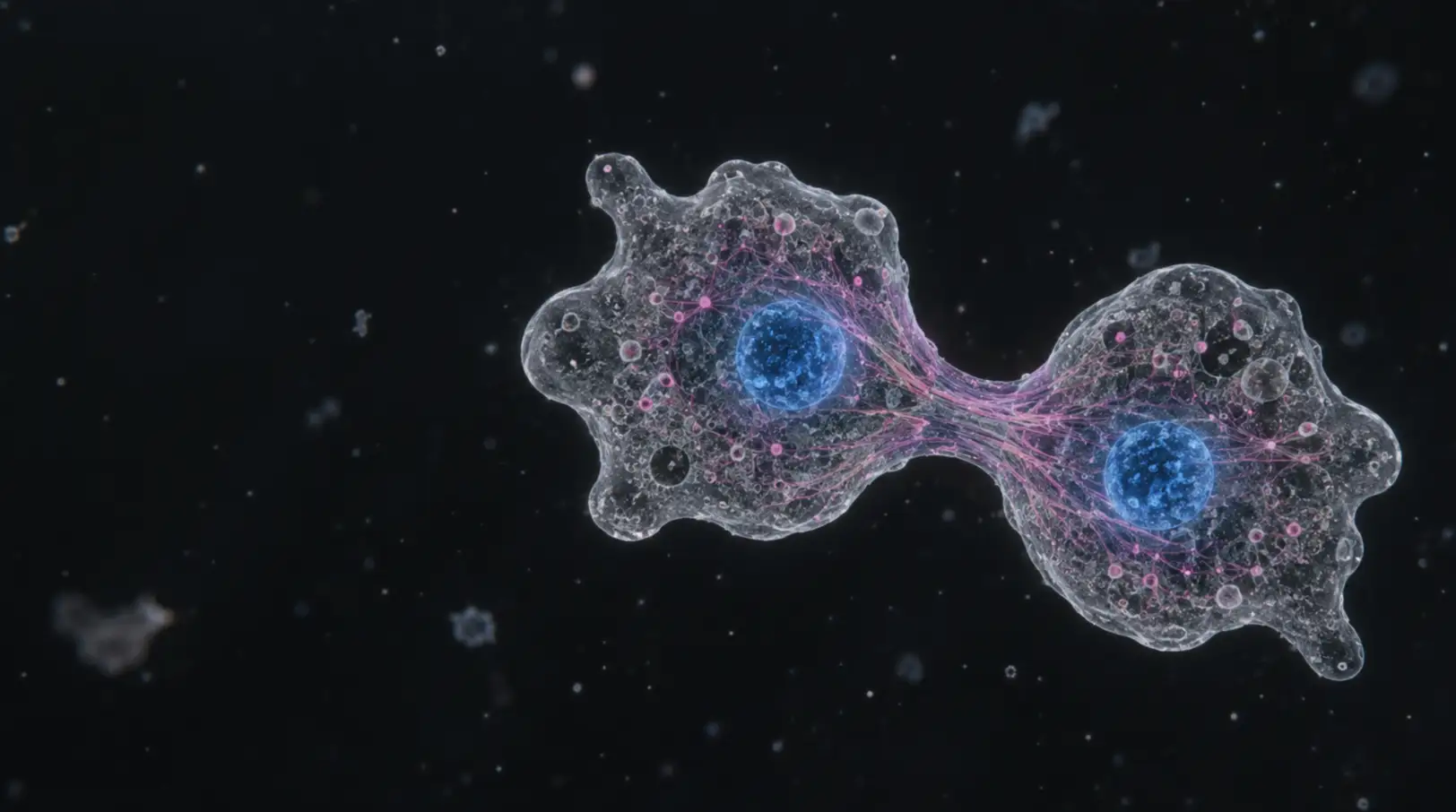
Yes. Researchers observed cell division at 63°C. Recovery after brief exposure to 70°C is a separate result and does not demonstrate reproduction at that temperature.

No. Bats have functional eyes and can see. Their visual abilities vary between species, so limited detail vision should not be confused with blindness.

Yes. Researchers say the insect had been misidentified for decades. Recognising it as a new species does not mean it had never been observed before.