Meteors occur when space material enters the atmosphere
NASA
NASA identifies shooting stars as meteors produced by incoming meteoroids, rather than stars entering the atmosphere.
Based on: NASA

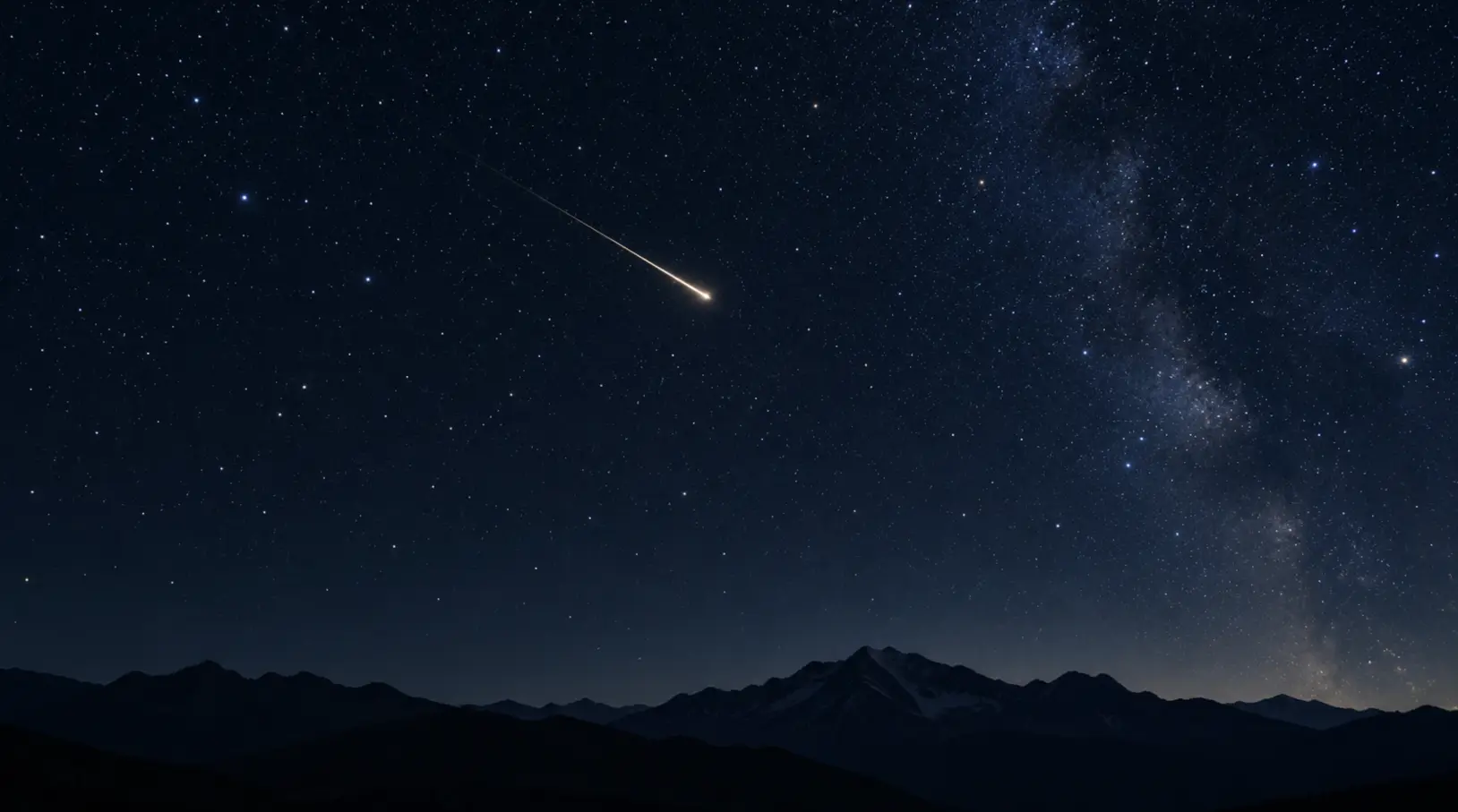
No. A shooting star is a meteor, not an actual star. The familiar name describes a brief streak of light produced when a small object from space enters Earth's atmosphere.
NASA distinguishes meteoroids in space from meteors in the atmosphere and meteorites that reach the ground. The American Meteor Society independently explains that shooting stars involve no actual stars.
Meteor showers occur when Earth passes through streams of debris, usually left by comets and sometimes asteroids. Their names can refer to constellations, but that does not mean the particles came from those stars.
A shooting star is an atmospheric light phenomenon. A meteorite is material that survives the journey to the ground.
NASA
NASA identifies shooting stars as meteors produced by incoming meteoroids, rather than stars entering the atmosphere.
Based on: NASA
American Meteor Society
The society explicitly states that shooting star is a popular name for a meteor and that no actual star is involved.
Based on: American Meteor Society
American Meteor Society
Meteor showers are generally named after the constellation containing their apparent radiant. Their particles come from debris streams left by comets or asteroids.
Based on: American Meteor Society
Was this check helpful?
Sign in required
Sign in required
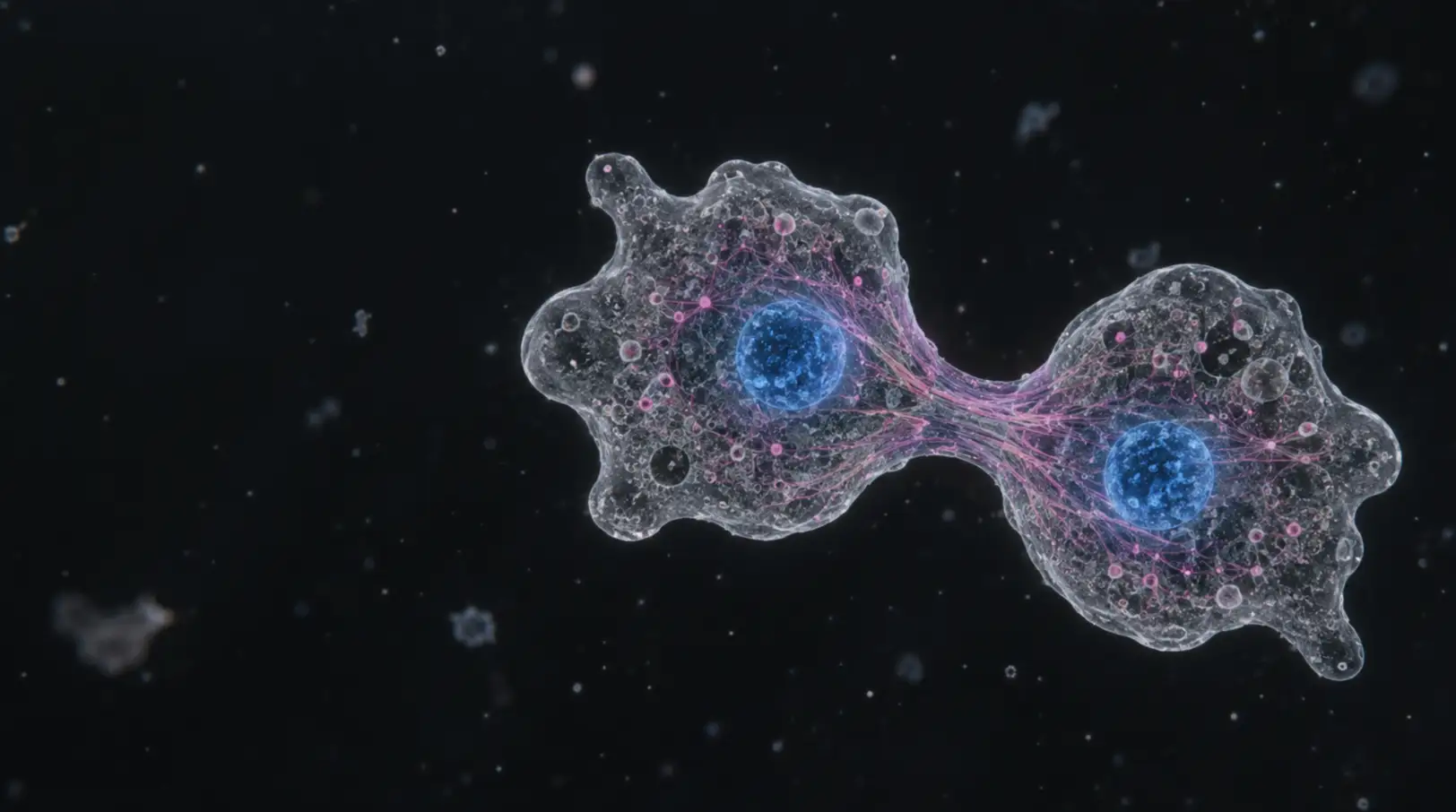
Yes. Researchers observed cell division at 63°C. Recovery after brief exposure to 70°C is a separate result and does not demonstrate reproduction at that temperature.

No. Bats have functional eyes and can see. Their visual abilities vary between species, so limited detail vision should not be confused with blindness.
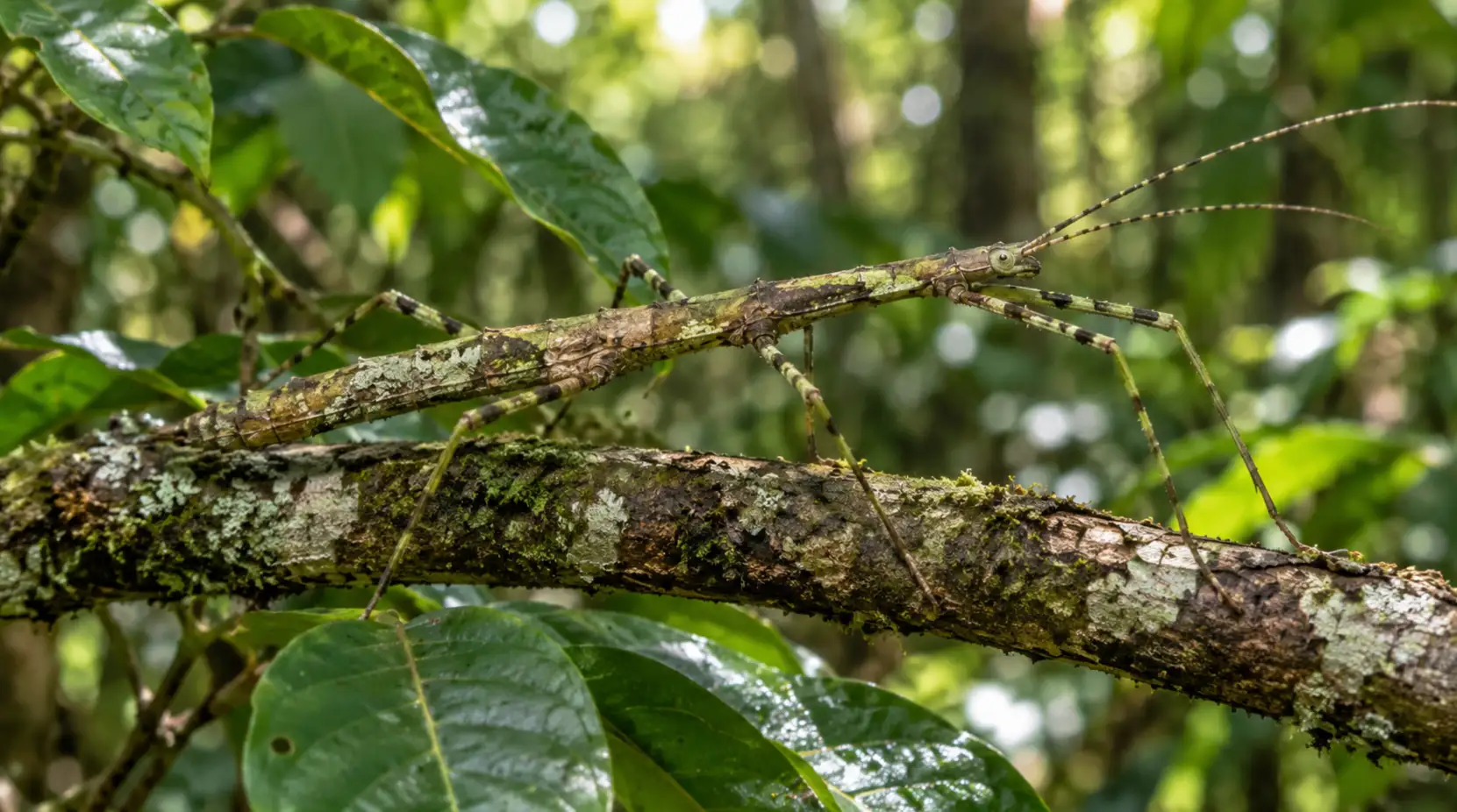
Yes. Researchers say the insect had been misidentified for decades. Recognising it as a new species does not mean it had never been observed before.