The Hubble feature describes perpendicular central rotation
NASA / ESA Hubble
The September 2026 feature states that gas and stars nearest the galaxy's centre rotate perpendicular to the rest of its disk.
Based on: NASA

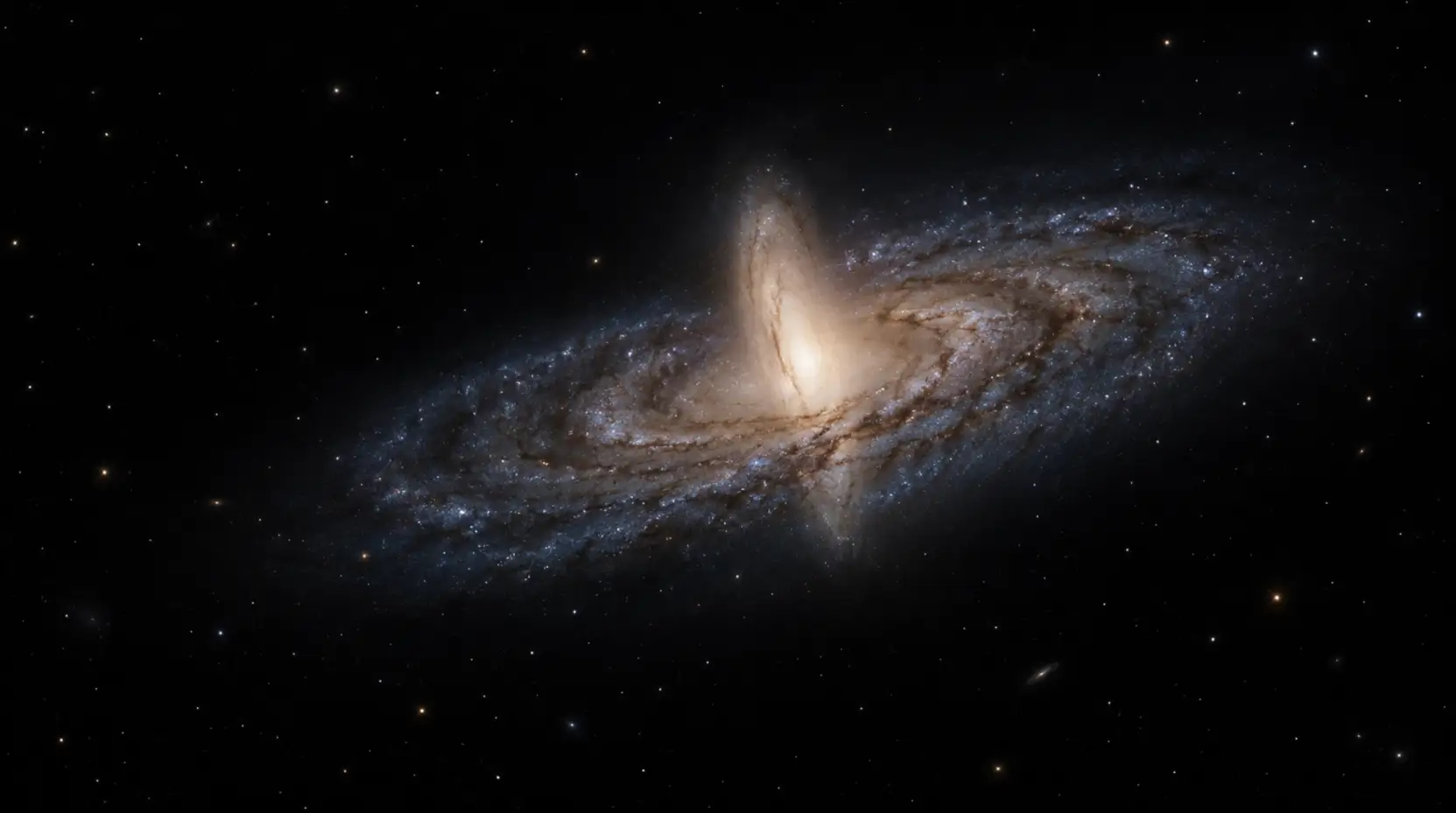
Yes. The spiral galaxy NGC 4698 contains a small central disk of gas and stars that rotates perpendicular to its main disk. Different parts of this galaxy do not share the same plane of rotation.
NASA's September 18, 2026 Hubble feature describes this unusual arrangement. A research paper submitted in April 2012 already documented the perpendicular nuclear disk and investigated the galaxy's structure using optical and near-infrared images.
The recent image release is not the discovery date of this feature. Acquisition of gas from outside the galaxy is a proposed explanation for the central structure; the observed arrangement does not by itself establish every step of that formation history.
A galaxy can contain components rotating in different planes. NGC 4698's new image highlights an already studied example.
NASA / ESA Hubble
The September 2026 feature states that gas and stars nearest the galaxy's centre rotate perpendicular to the rest of its disk.
Based on: NASA
E. M. Corsini and colleagues
The 2012 paper describes NGC 4698 as hosting a nuclear disk of gas and stars rotating perpendicular to its main disk.
Based on: arXiv
E. M. Corsini and colleagues
The authors interpret their structural findings as supporting acquisition of external gas, distinguishing a formation scenario from the observed configuration.
Based on: arXiv
Was this check helpful?
Sign in required
Sign in required
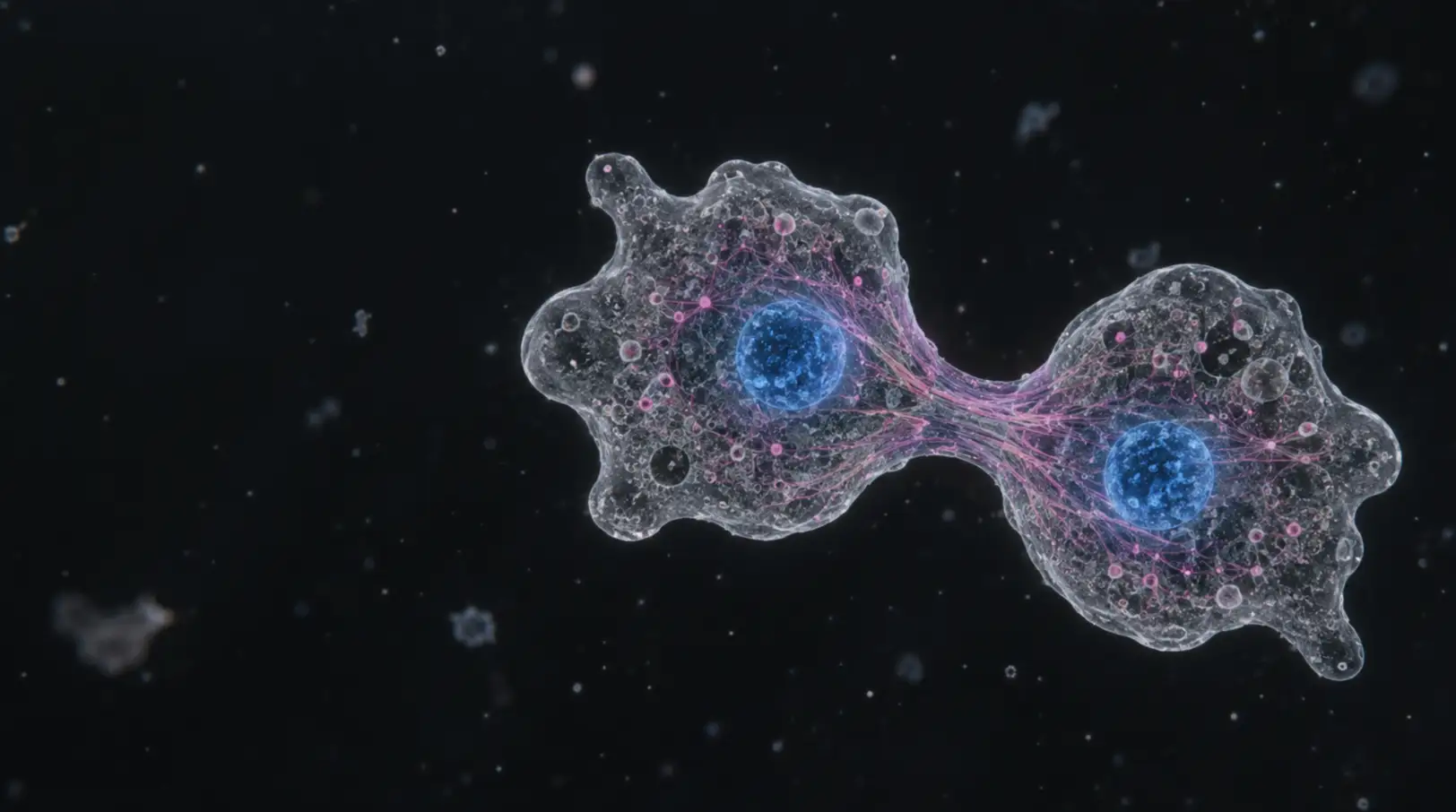
Yes. Researchers observed cell division at 63°C. Recovery after brief exposure to 70°C is a separate result and does not demonstrate reproduction at that temperature.

No. Bats have functional eyes and can see. Their visual abilities vary between species, so limited detail vision should not be confused with blindness.

Yes. Researchers say the insect had been misidentified for decades. Recognising it as a new species does not mean it had never been observed before.