Bats have sensitive vision
U.S. Geological Survey
The USGS explicitly states that bats are not blind and explains that their sensitive vision helps them see in low light.
Based on: U.S. Geological Survey


No. Blindness is not a natural characteristic of bats. They have functional eyes and use visual information, although their abilities differ between species.
The U.S. Geological Survey explains that bats have sensitive vision suited to low-light conditions. Bat Conservation International also describes how visual cues help bats orient themselves and determine when to leave their roosts.
Seeing in dim light and distinguishing fine details are different abilities. Some bats resolve much less detail than humans, but that does not make them blind. The familiar phrase 'blind as a bat' is a misleading description of their biology.
Bats can see. Differences in visual sharpness and sensitivity do not amount to blindness.
U.S. Geological Survey
The USGS explicitly states that bats are not blind and explains that their sensitive vision helps them see in low light.
Based on: U.S. Geological Survey
Bat Conservation International
The organization describes functional vision in bats, including visual cues used for orientation and roost departure.
Based on: Bat Conservation International
Bat Conservation International
Examples of measured visual acuity show that bats differ in their ability to resolve details. Reduced acuity does not establish blindness.
Based on: Bat Conservation International
Was this check helpful?
Sign in required
Sign in required
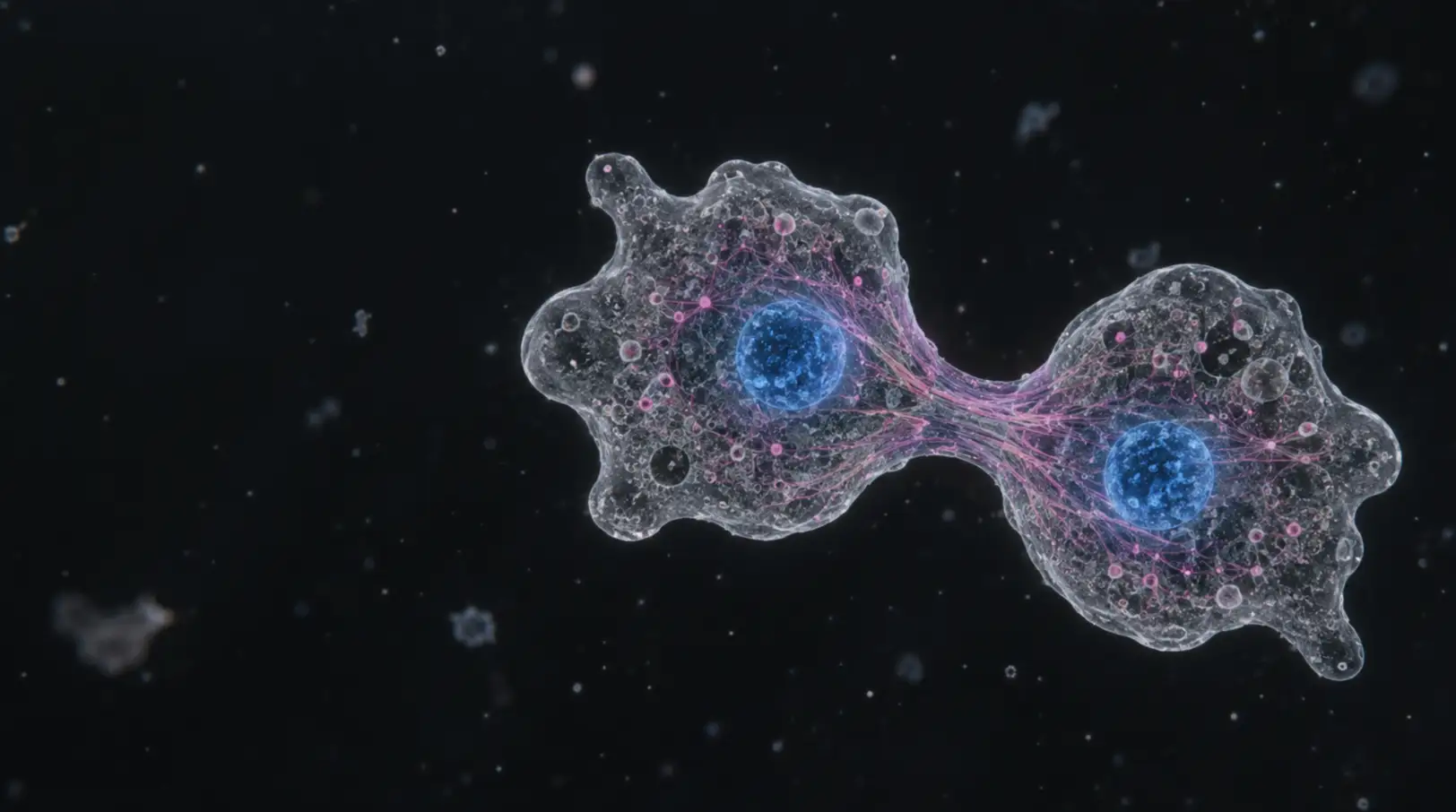
Yes. Researchers observed cell division at 63°C. Recovery after brief exposure to 70°C is a separate result and does not demonstrate reproduction at that temperature.
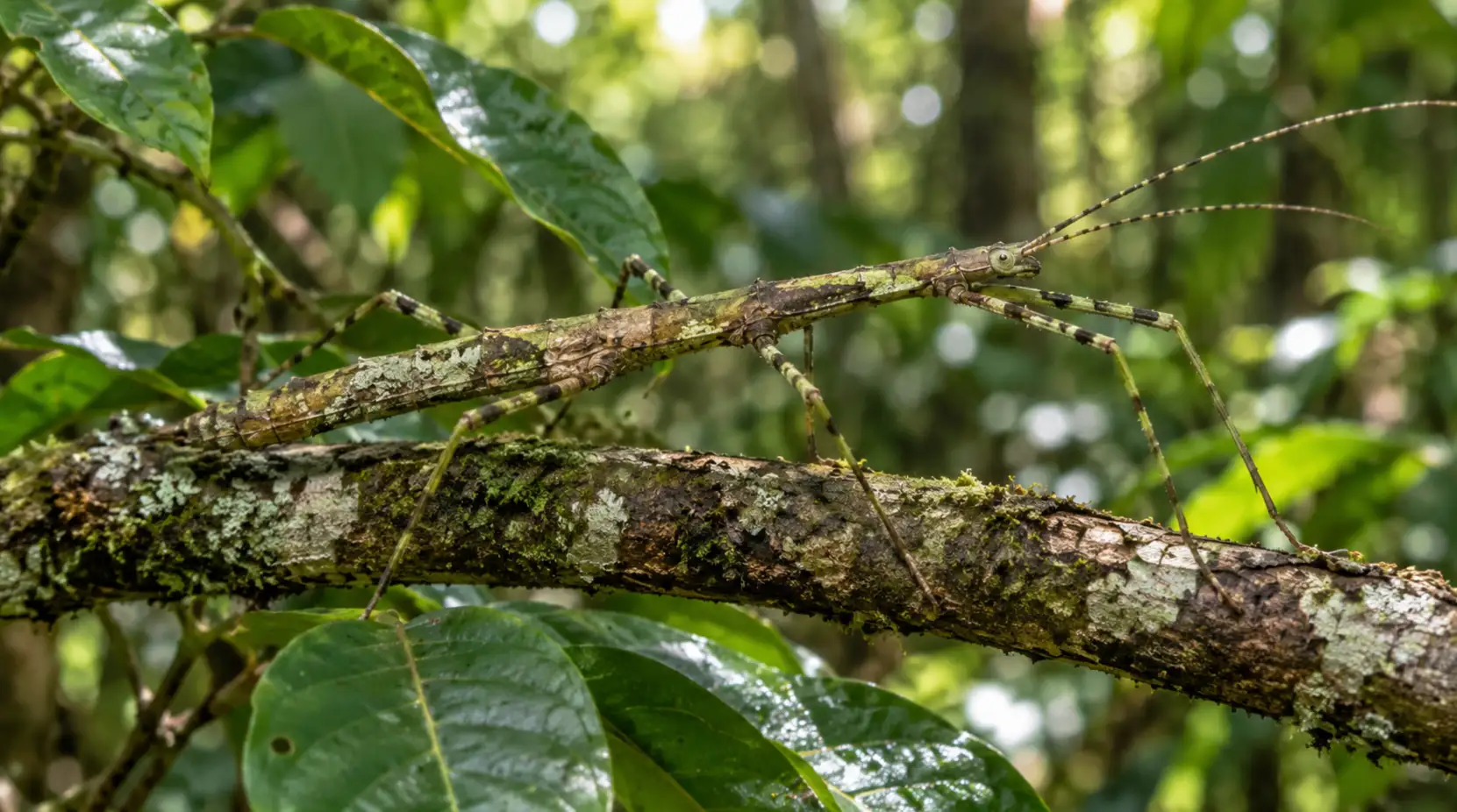
Yes. Researchers say the insect had been misidentified for decades. Recognising it as a new species does not mean it had never been observed before.
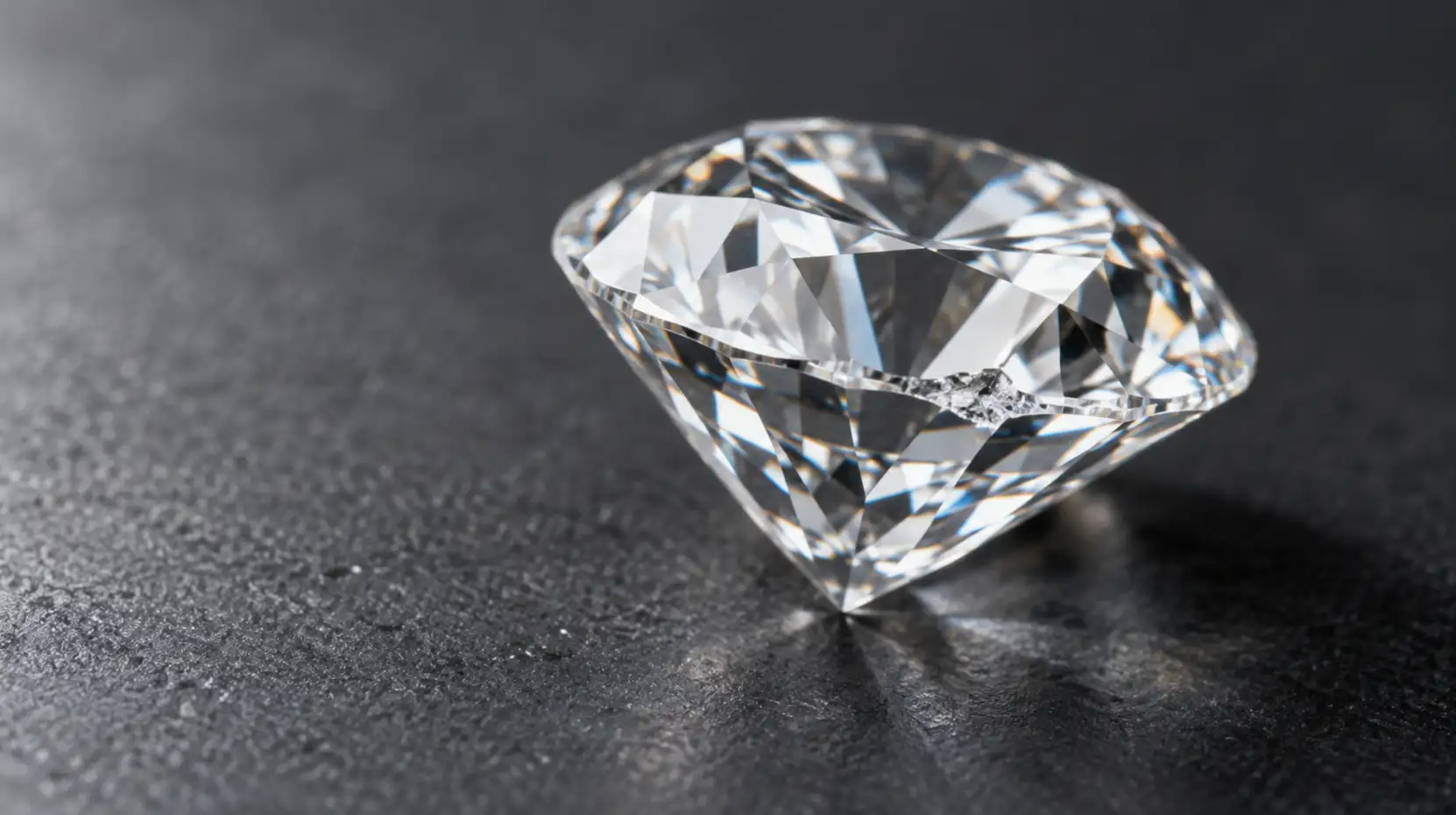
No. Diamonds resist scratching extremely well, but a hard impact can chip or fracture them. Hardness and resistance to breaking are different properties.