Researchers describe a previously known but misidentified insect
The University of Sydney
The university states that A. robusta was known to scientists and enthusiasts before the reassessment.
Based on: The University of Sydney

Published
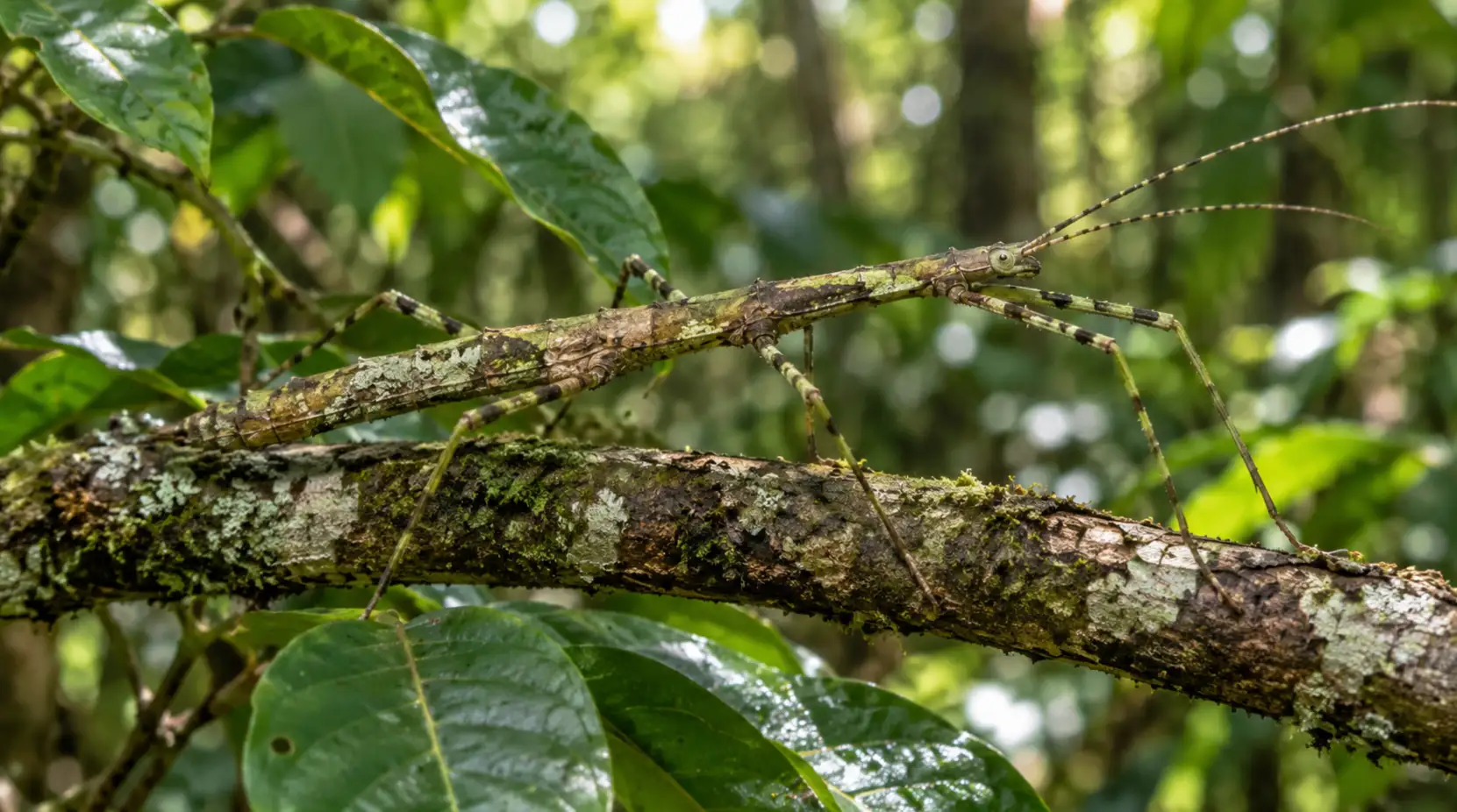
Yes. The University of Sydney says the insect now named Anchiale robusta had long been known to scientists and enthusiasts but had been misidentified for decades.
Researchers combined DNA analysis, museum material, field surveys, citizen science records and captive populations to reassess its identity. ABC News also reported the recognition of A. robusta and interviewed the lead researcher about identifying distinct species.
Here, new species refers to scientific recognition of a distinct species, not the first time anyone encountered the animal. The accessible sources document the announcement and reporting; the underlying journal article was not accessible during this check.
A familiar animal can be newly recognised as a distinct species after its identity is reassessed.
The University of Sydney
The university states that A. robusta was known to scientists and enthusiasts before the reassessment.
Based on: The University of Sydney
ABC News
ABC reports the identification of A. robusta and A. mabiensis and interviews the lead researcher about distinguishing species. This is reporting on the research, not an independent replication.
Based on: ABC News
Was this check helpful?
Sign in required
Sign in required
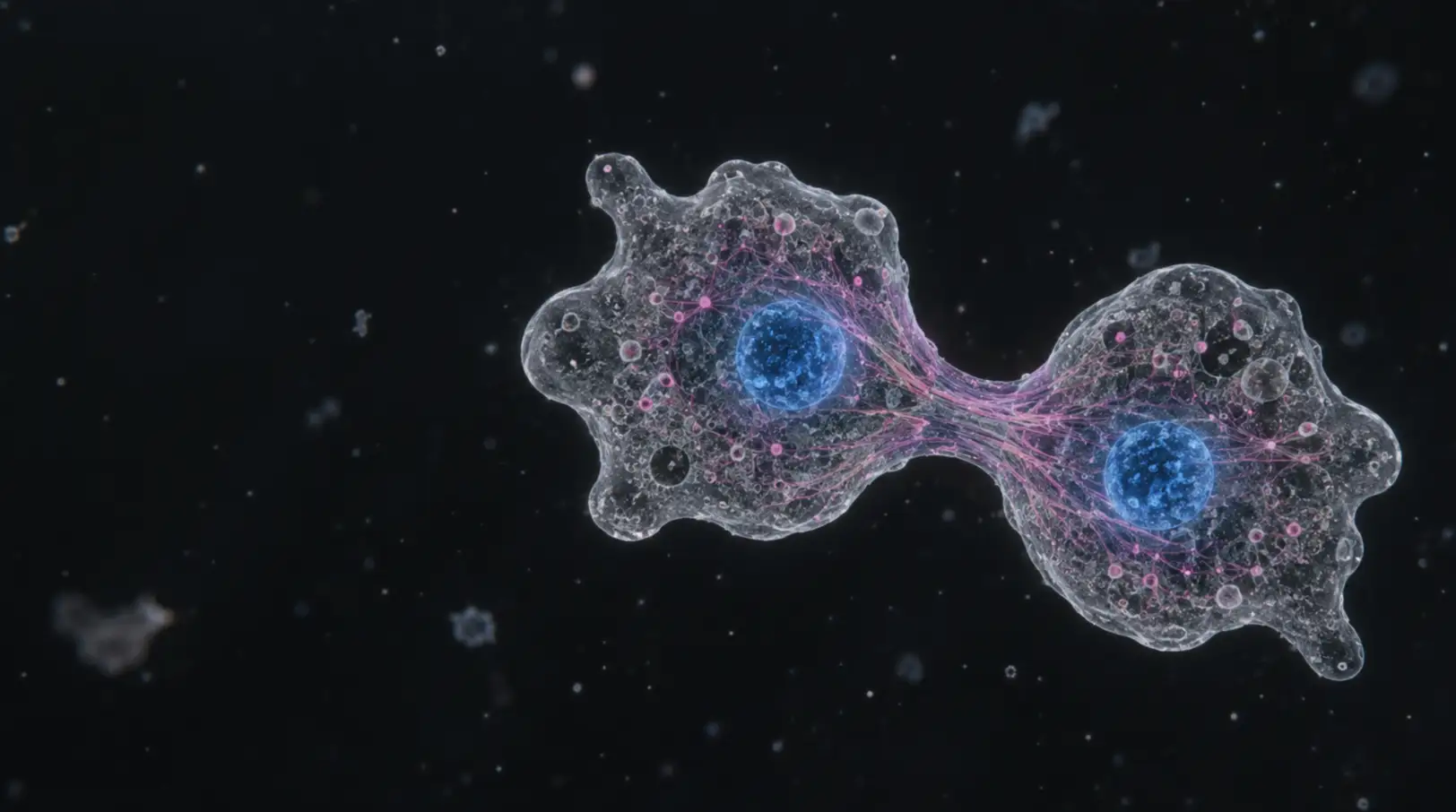
Yes. Researchers observed cell division at 63°C. Recovery after brief exposure to 70°C is a separate result and does not demonstrate reproduction at that temperature.

No. Bats have functional eyes and can see. Their visual abilities vary between species, so limited detail vision should not be confused with blindness.
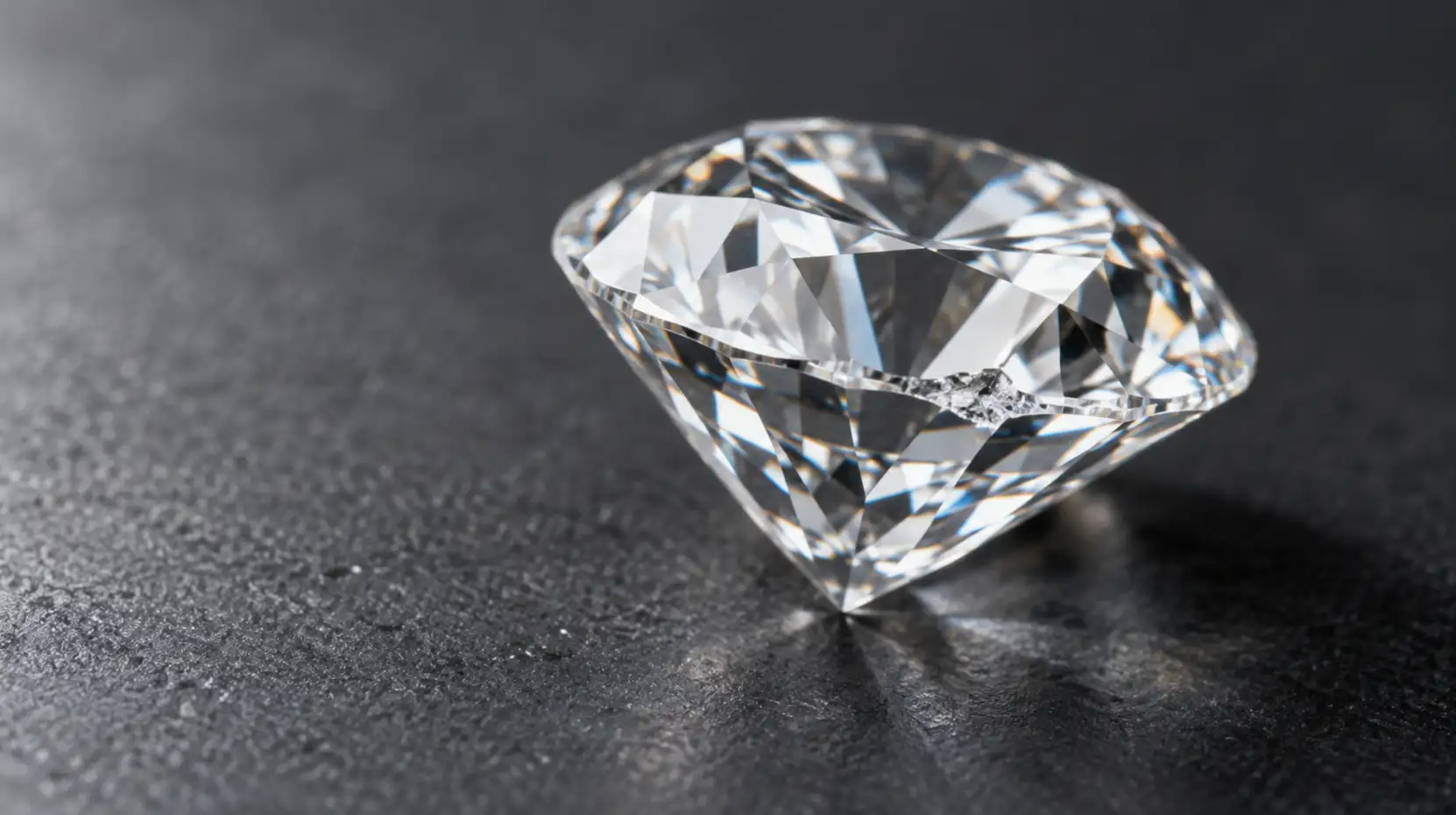
No. Diamonds resist scratching extremely well, but a hard impact can chip or fracture them. Hardness and resistance to breaking are different properties.