Scientific study identifies Saturn's southern decagon
Science Advances
The published study reports a 10-sided polygonal atmospheric wave around Saturn's south pole.
Based on: Science Advances

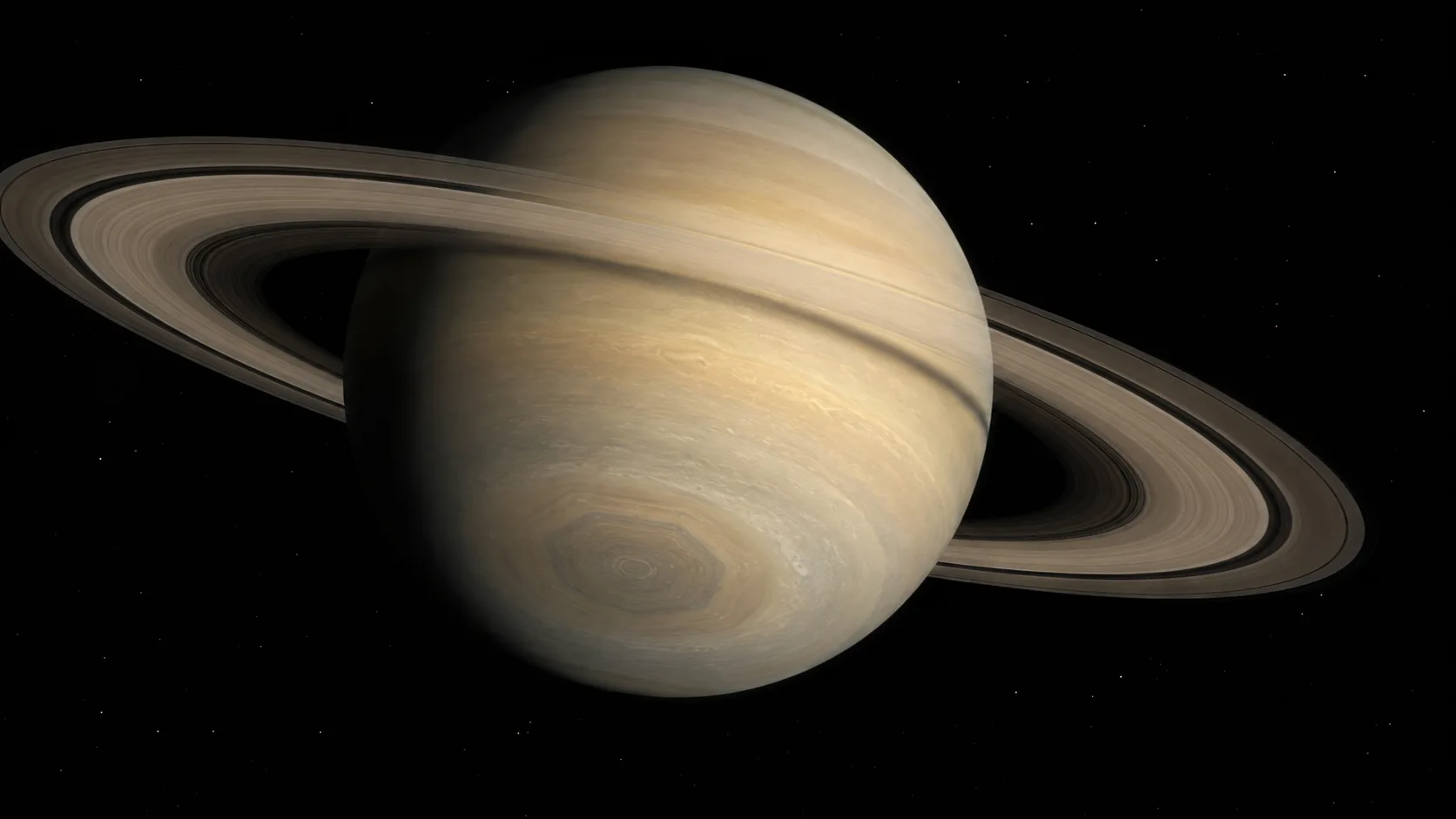
Yes. Scientists have identified a giant 10-sided atmospheric wave, known as a decagon, encircling Saturn's south pole.
The published research and observations from the NASA/ESA Hubble Space Telescope show that the pattern sits within a powerful jet stream and extends through multiple atmospheric layers. Researchers traced signs of the feature in Hubble observations dating back to 2023.
Scientists do not yet know exactly when the decagon formed, what caused it or how long it will persist. Continued observations will determine whether it becomes stable like Saturn's long-lived northern hexagon or continues to evolve.
Saturn now has a documented 10-sided atmospheric pattern in its southern hemisphere, but its origin and longevity remain uncertain.
Science Advances
The published study reports a 10-sided polygonal atmospheric wave around Saturn's south pole.
Based on: Science Advances
ESA/Hubble
ESA/Hubble describes the feature as the first large regular-sided jet pattern observed in Saturn's southern hemisphere.
Based on: ESA/Hubble
Science News
Independent reporting confirms the discovery while noting that researchers cannot yet determine exactly when the feature formed or how long it will last.
Based on: Science News
Was this check helpful?
Sign in required
Sign in required

Not yet. The LZ experiment recorded one unexplained event that could involve dark matter, but it falls short of the threshold for a confirmed discovery.
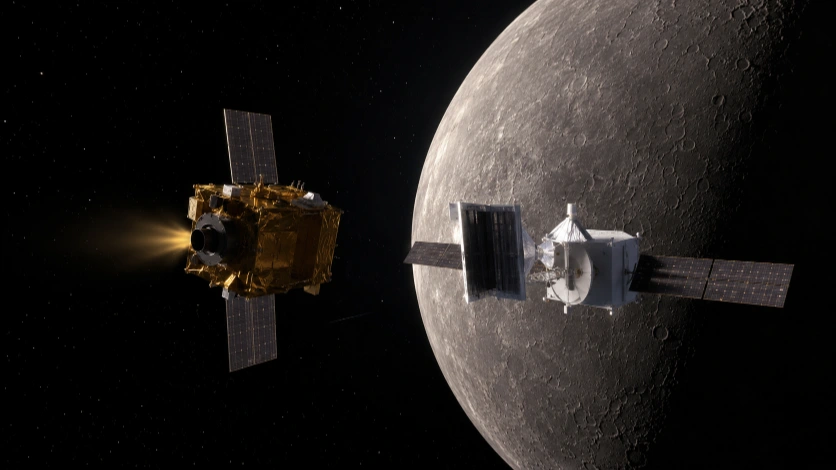
Yes. ESA confirmed the transfer module separated successfully, leaving the joined MPO and Mio orbiters on course for Mercury.
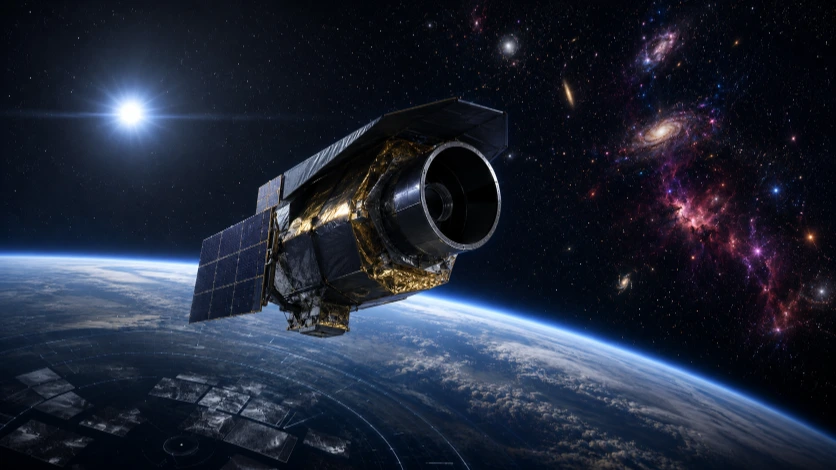
Partly. Roman uses former U.S. reconnaissance optics, but NASA and its partners rebuilt the assembly and added the scientific instruments and spacecraft.