ESA confirms successful separation
European Space Agency
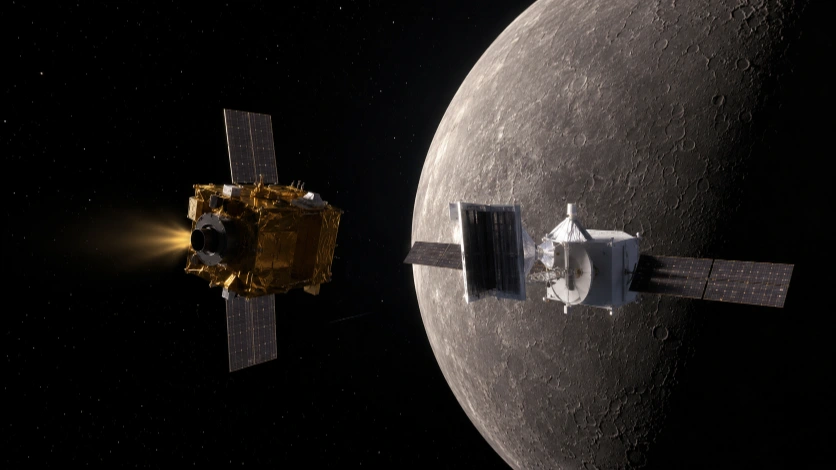
ESA reported that deep-space antennas confirmed the Mercury Transfer Module had separated successfully and that telemetry was nominal.
Based on: European Space Agency

Published
Yes. ESA confirmed on September 3 that BepiColombo's Mercury Transfer Module separated successfully from the spacecraft stack, and telemetry showed the remaining systems were nominal.
The signal was acquired through ESA deep-space antennas in Spain and Argentina. Scientific American independently reported that the two science orbiters had separated from the transfer module and sent a strong signal to Earth.
This was the start of the arrival phase, not Mercury orbit insertion. ESA says MPO and Mio remain joined until after they enter Mercury orbit in November, with the two science orbiters expected to separate in December and science operations scheduled for April 2027.
The transfer module is gone, but BepiColombo has not yet entered Mercury orbit and its two science orbiters remain joined.
European Space Agency
ESA reported that deep-space antennas confirmed the Mercury Transfer Module had separated successfully and that telemetry was nominal.
Based on: European Space Agency
Scientific American
Scientific American reported that the two science orbiters split from the transfer module and sent a strong signal to Earth.
Based on: Scientific American
European Space Agency
The science orbiters are scheduled to enter Mercury orbit together in November, separate in December, and begin science operations in April 2027.
Based on: European Space Agency
Was this check helpful?
Sign in required
Sign in required
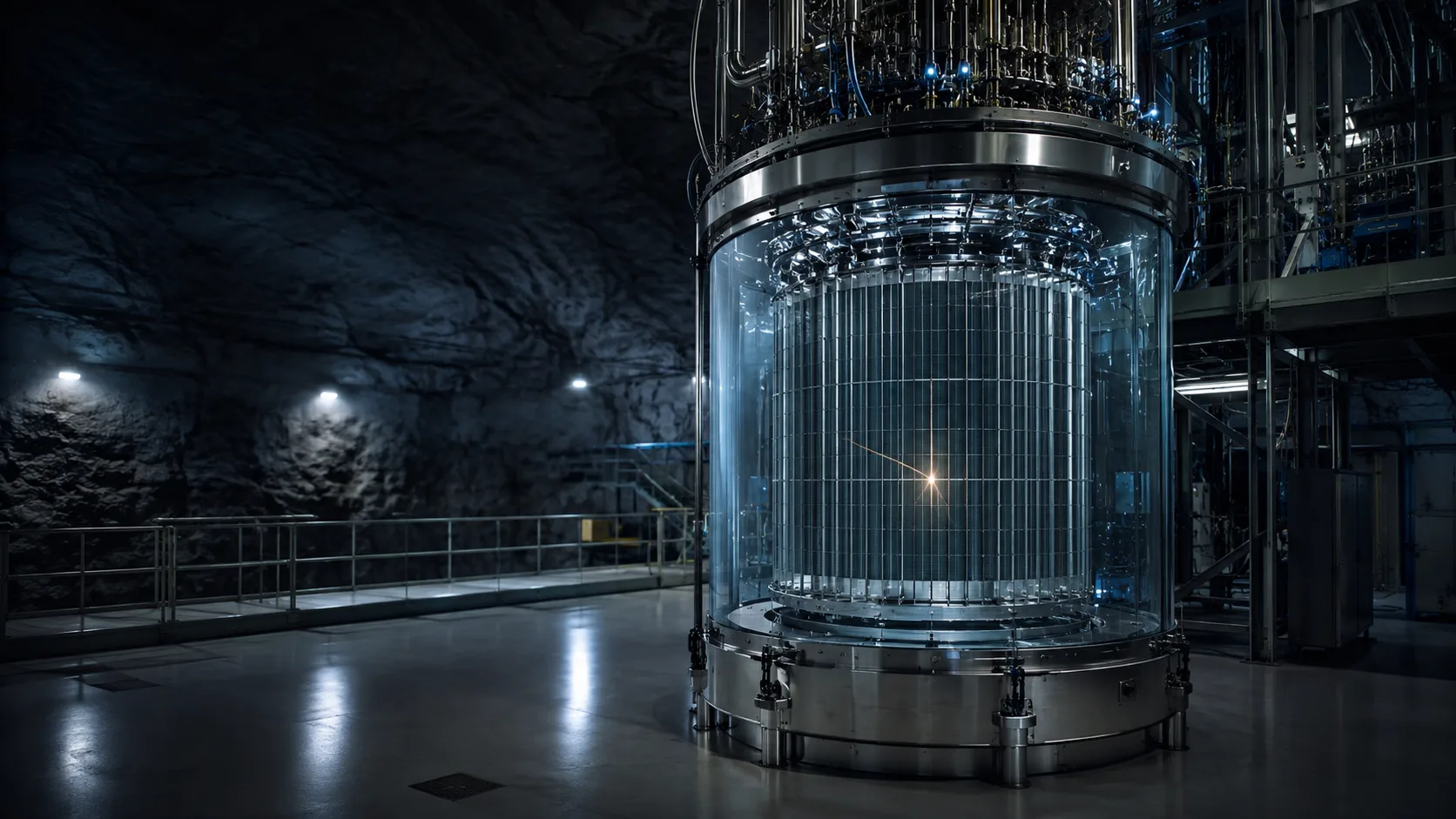
Not yet. The LZ experiment recorded one unexplained event that could involve dark matter, but it falls short of the threshold for a confirmed discovery.
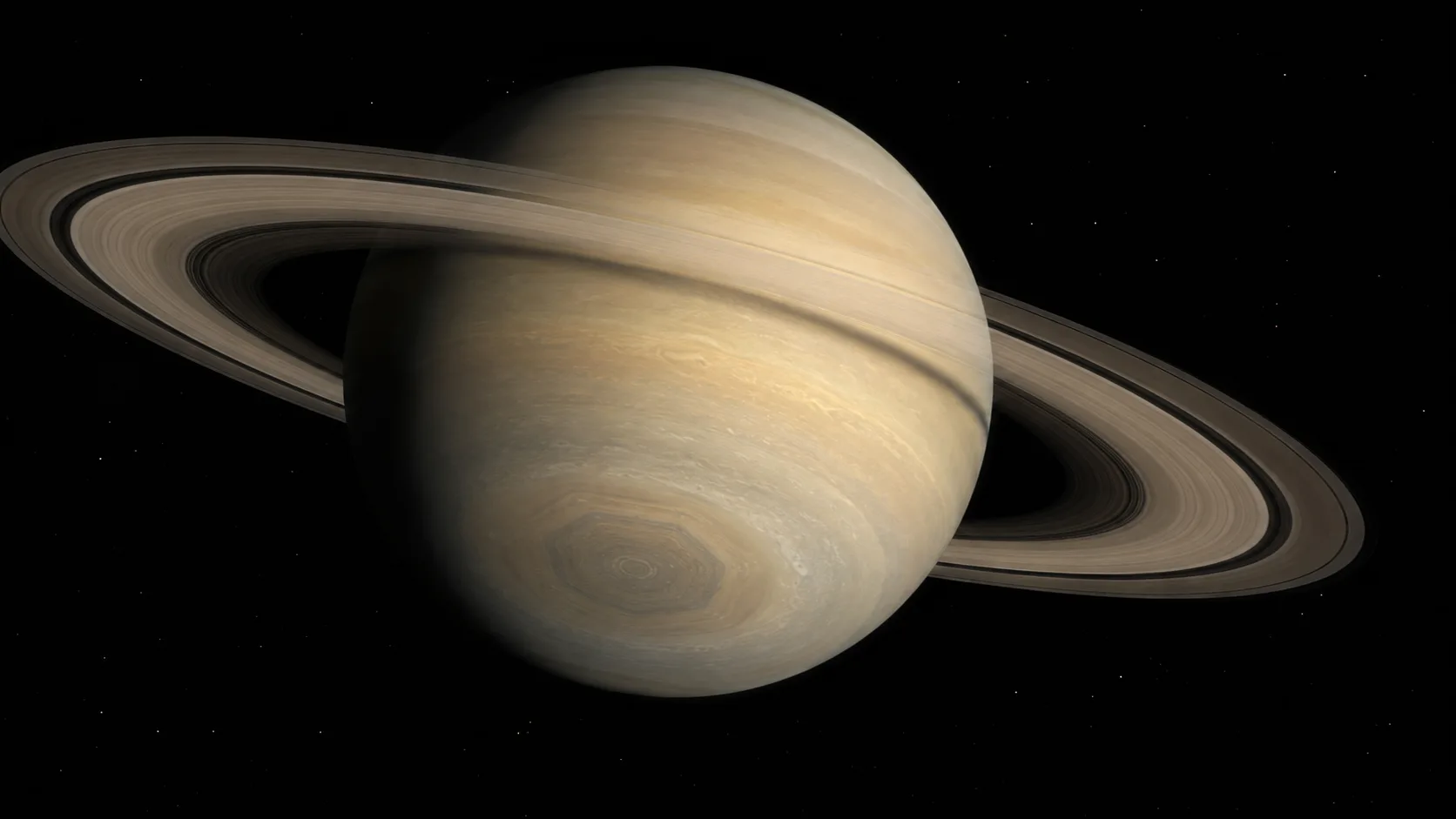
Yes. Hubble observations revealed a large, evolving decagon-shaped wave in Saturn's southern atmosphere.