Science & Space
Did scientists discover a 10-sided atmospheric wave at Saturn's south pole?
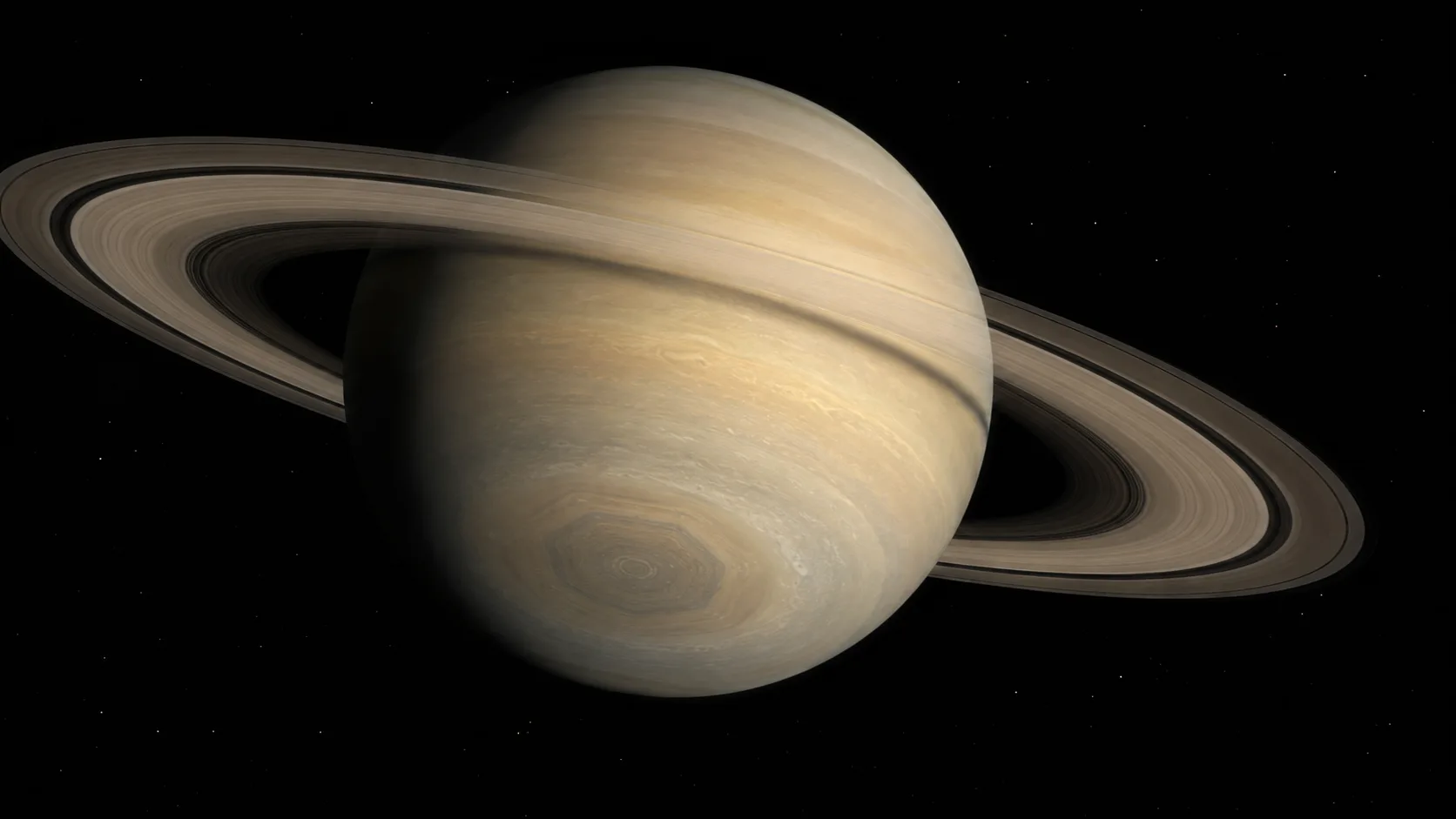
Yes. Hubble observations revealed a large, evolving decagon-shaped wave in Saturn's southern atmosphere.
Verdict
True
Verification confidenceHigh

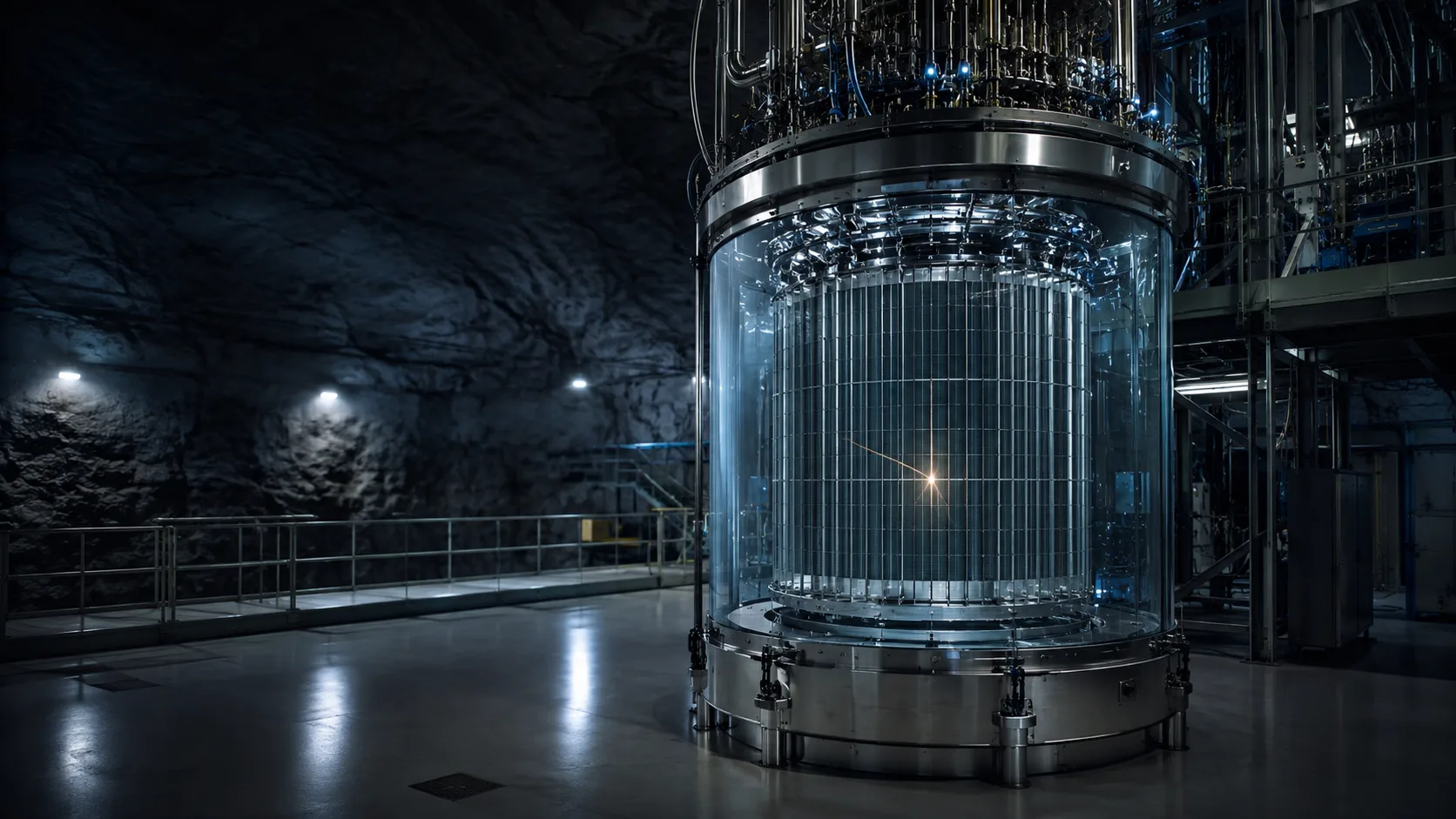
No confirmed detection has been made. The LUX-ZEPLIN experiment recorded one unusual particle interaction that could have been caused by dark matter, but other explanations have not been ruled out.
Berkeley Lab says the event is difficult to explain using known background processes, but the result reached 2.6 sigma rather than the 5-sigma threshold normally required for a discovery. Reuters independently reports that the researchers explicitly stopped short of claiming detection.
The event is scientifically significant because it gives researchers a specific signal to test with more data. For now, calling it the first direct detection of dark matter goes beyond the available evidence.
Key takeaway
Researchers found a compelling clue, not a confirmed dark-matter detection.
Was this check helpful?
Sign in required
Sign in required
Yes. Hubble observations revealed a large, evolving decagon-shaped wave in Saturn's southern atmosphere.