Roman launched as a NASA science observatory
NASA
NASA confirms that Roman launched on August 30, 2026, with new instruments designed to study dark energy, dark matter and exoplanets.
Based on: NASA

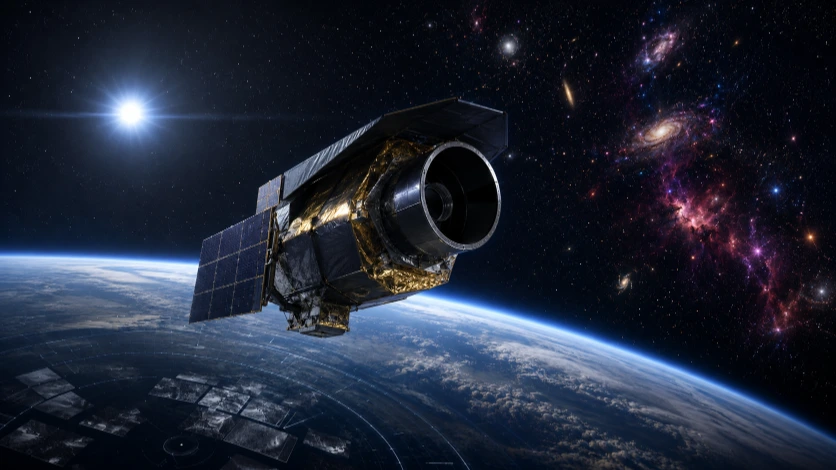
The claim is misleading. Roman incorporates important optical hardware originally developed for U.S. reconnaissance, but the launched observatory is not simply an intact spy satellite redirected toward space.
NASA says the optical telescope assembly includes key optics, including a 2.4-meter primary mirror, made available by the National Reconnaissance Office. L3Harris reshaped the mirror and built upon the inherited hardware, while NASA and its partners integrated new scientific instruments, electronics and a spacecraft bus.
The shorthand captures the unusual origin of Roman’s optics, but it overstates how much of the final observatory was repurposed. The inherited hardware was unused and extensively modified before Roman launched as a purpose-built NASA science mission.
Roman’s spy-satellite heritage is real, but it applies chiefly to inherited optical hardware—not the completed observatory as a whole.
NASA
NASA confirms that Roman launched on August 30, 2026, with new instruments designed to study dark energy, dark matter and exoplanets.
Based on: NASA
NASA
NASA says the completed optical assembly incorporates NRO-supplied optics, but L3Harris reshaped the mirror and built upon the inherited hardware before integration with the rest of the observatory.
Based on: NASA
Associated Press
AP independently reports that the NRO donated two unused reconnaissance mirrors and that one became Roman’s primary mirror.
Based on: Associated Press
Was this check helpful?
Sign in required
Sign in required
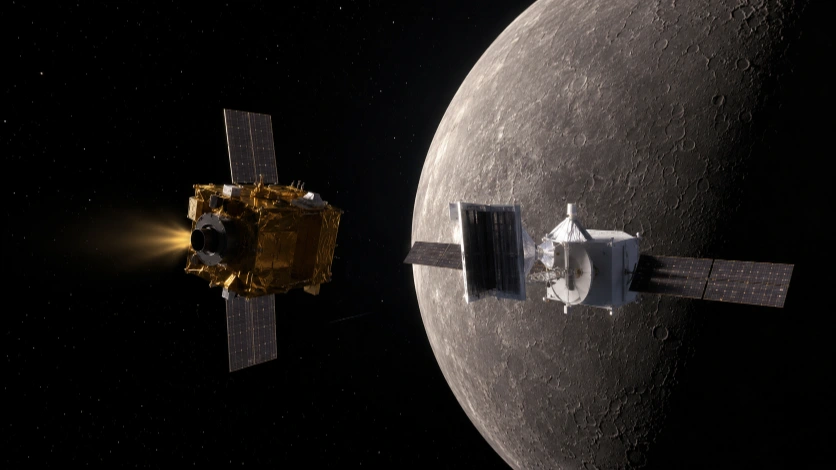
Yes. ESA confirmed the transfer module separated successfully, leaving the joined MPO and Mio orbiters on course for Mercury.
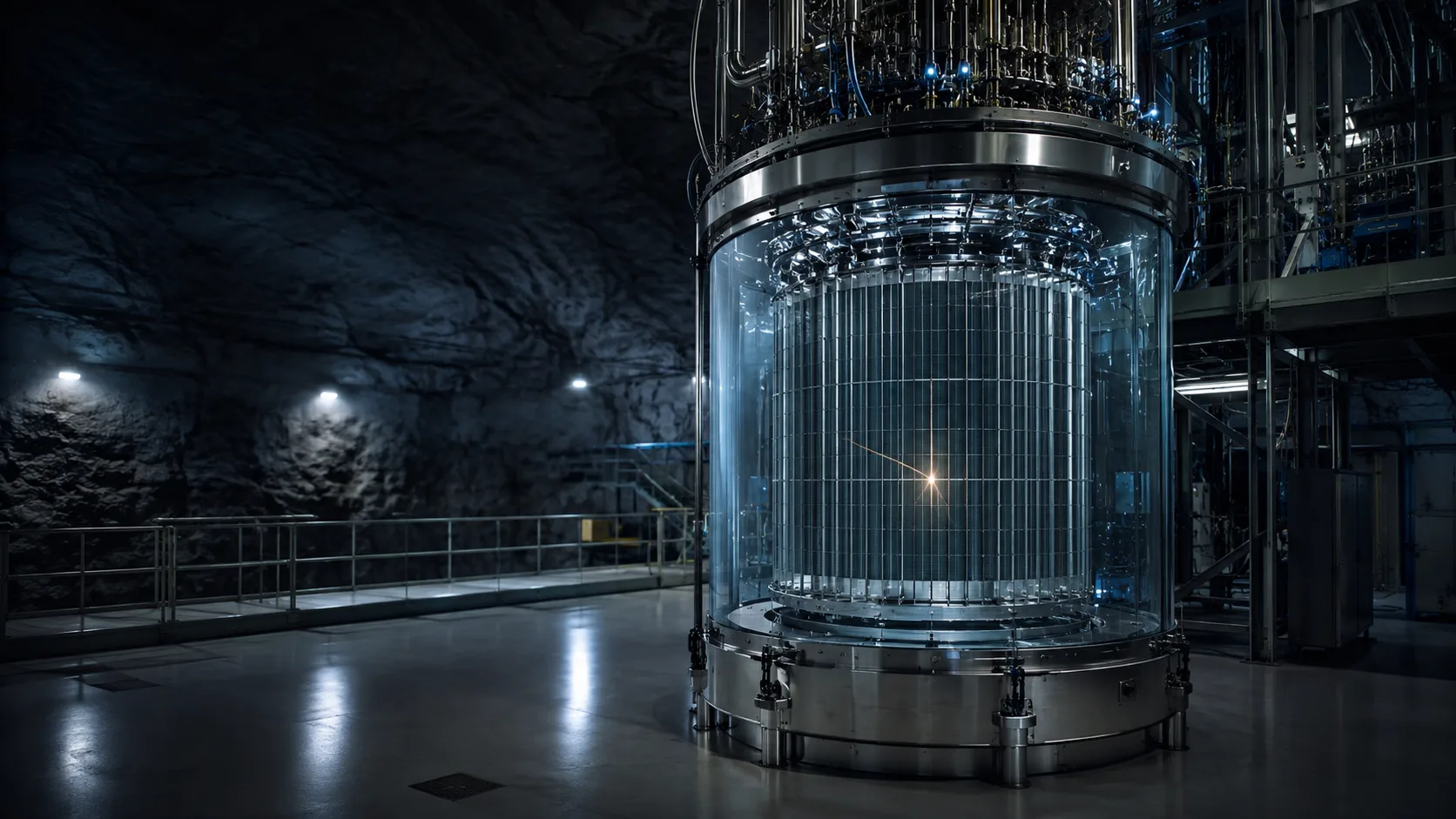
Not yet. The LZ experiment recorded one unexplained event that could involve dark matter, but it falls short of the threshold for a confirmed discovery.
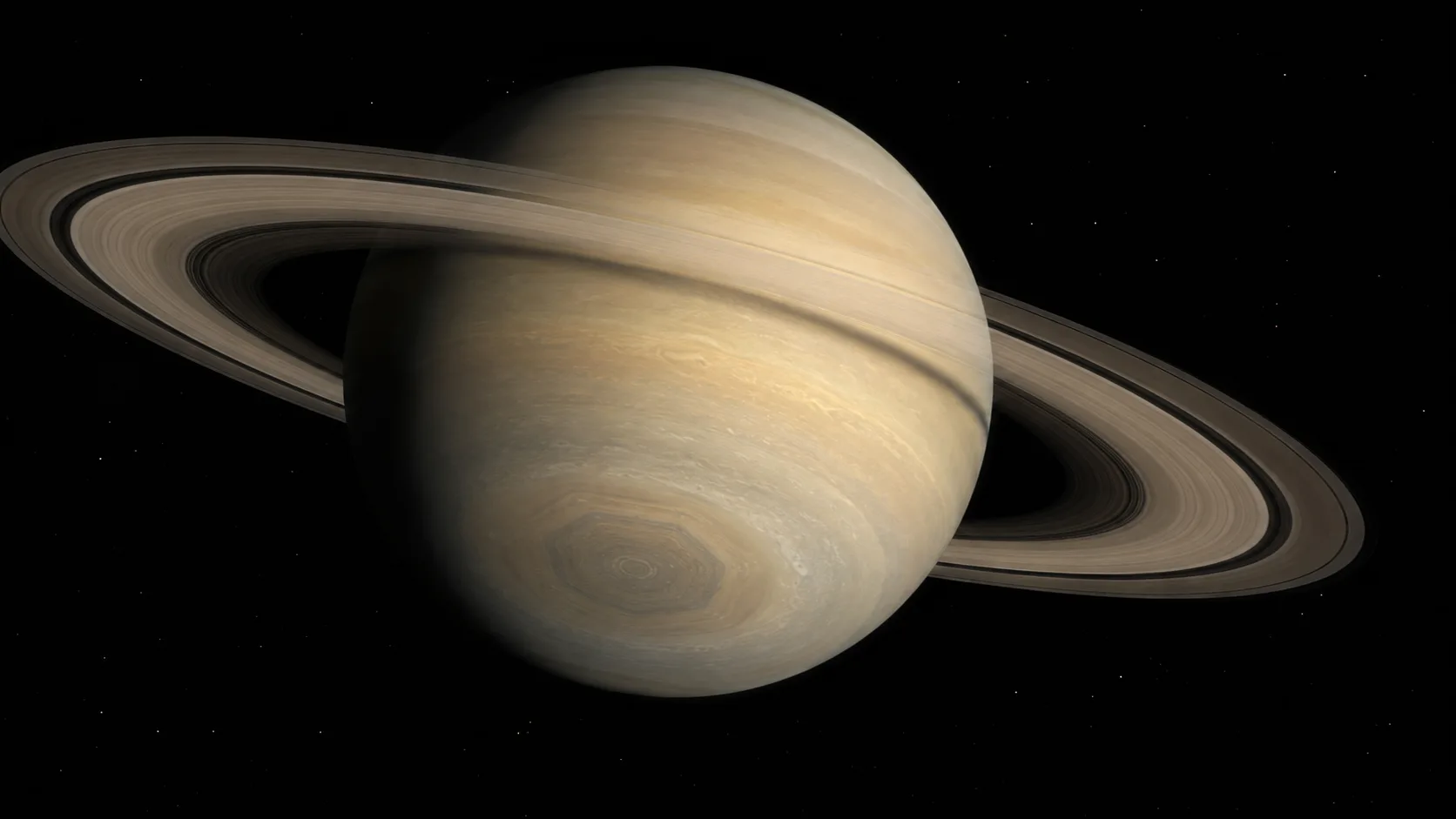
Yes. Hubble observations revealed a large, evolving decagon-shaped wave in Saturn's southern atmosphere.