NASA confirms the boost mission was scaled back
NASA
NASA says LINK came within 12 to 15 kilometres of Swift but will make no closer approach and did not perform the planned boost.
Based on: NASA

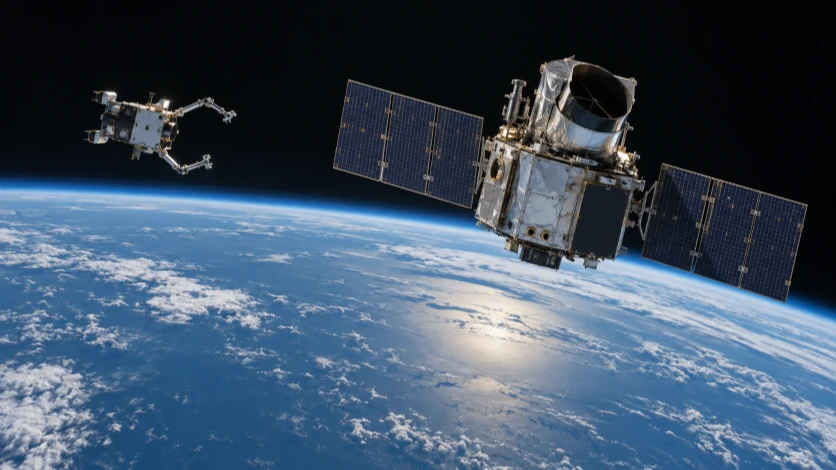
No. Katalyst Space’s LINK spacecraft came within 12 to 15 kilometres of NASA’s Swift Observatory, but it did not capture the telescope or raise its orbit.
NASA says the original boost mission was scaled back because of attitude-control issues with LINK. The spacecraft instead tested its robotic arms and propulsion, while the Associated Press reported that stabilizing LINK had left too little fuel for the planned boost.
Swift has resumed science observations, but without the orbital boost its orbit is expected to keep decaying. NASA anticipates reentry between October and the end of 2026, although the close approach still produced data for future servicing missions.
LINK reached Swift’s vicinity but did not complete the rescue. The telescope remains in a decaying orbit.
NASA
NASA says LINK came within 12 to 15 kilometres of Swift but will make no closer approach and did not perform the planned boost.
Based on: NASA
Associated Press
The Associated Press reports that LINK lacked enough remaining fuel to raise Swift into a higher orbit after controllers stabilized the spacecraft.
Based on: Associated Press
Space.com
Swift restarted science observations, but the abandoned boost leaves the observatory’s orbit continuing to decay toward reentry.
Based on: Space.com
Was this check helpful?
Sign in required
Sign in required
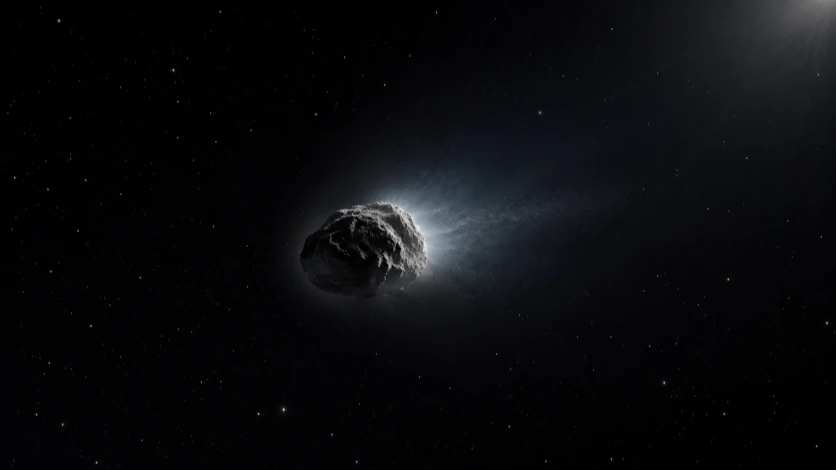
Yes. Telescope observations show 450P/LONEOS developing a carbon-dioxide-driven coma, a sign of early comet-like activity.

Genes influence personality, but they do not determine it; common variants explained only a modest share of trait differences.
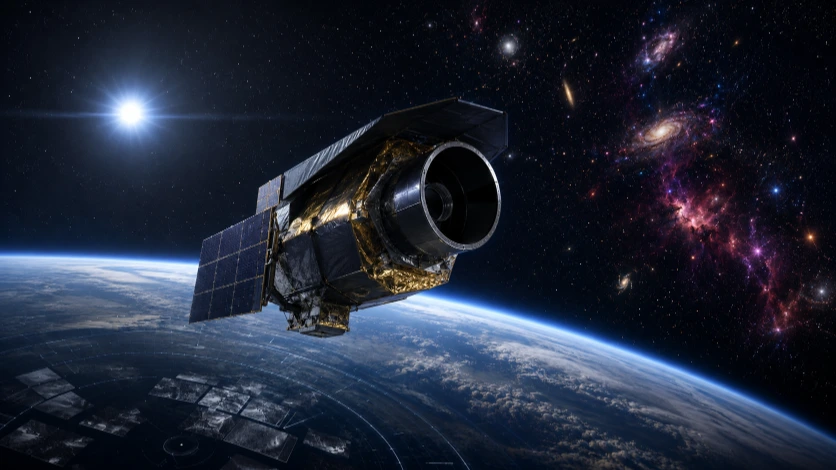
Partly. Roman uses former U.S. reconnaissance optics, but NASA and its partners rebuilt the assembly and added the scientific instruments and spacecraft.