The research uses simulations
Vorobyov and colleagues
The paper models planetesimal formation rather than reporting telescope detections.
Based on: arXiv

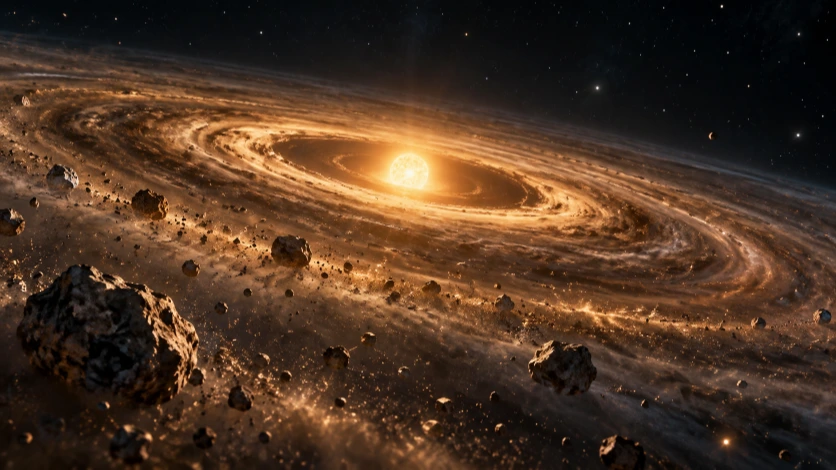
No. The study presents computer simulations, not direct detections of ancient rocky planets.
The model produced planetesimals, the building blocks of planets, under conditions possible about 100 million years after the Big Bang.
This suggests an early route to planet formation. It does not establish that completed, habitable worlds existed then, and it provides no detection of life.
A simulated formation pathway is different from an observed planet.
Vorobyov and colleagues
The paper models planetesimal formation rather than reporting telescope detections.
Based on: arXiv
Science News
Independent reporting explains that the researchers are working to simulate subsequent growth and determine what planets might form.
Based on: Science News
Was this check helpful?
Sign in required
Sign in required
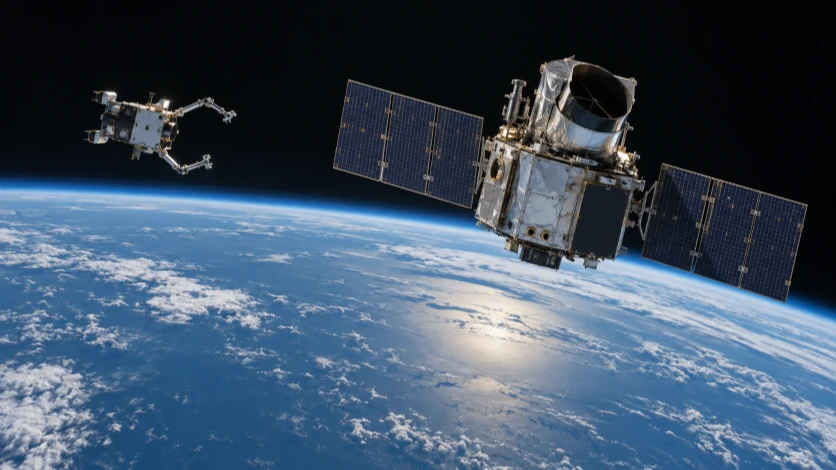
No. LINK approached Swift and tested its systems, but it did not capture or boost the telescope’s orbit.
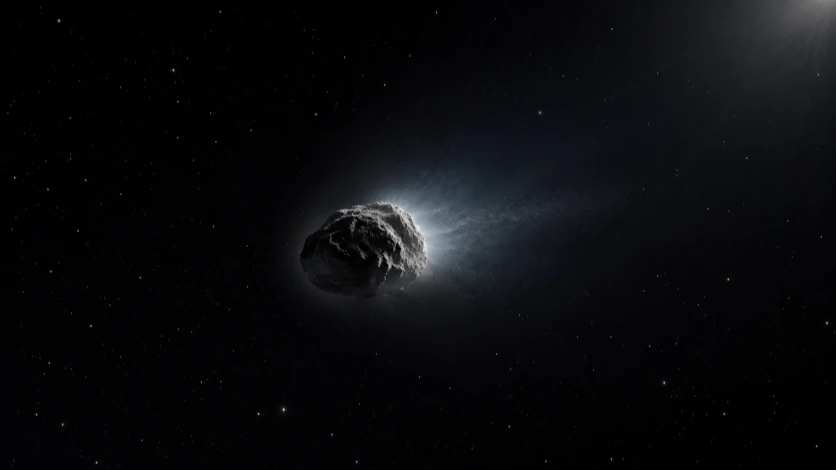
Yes. Telescope observations show 450P/LONEOS developing a carbon-dioxide-driven coma, a sign of early comet-like activity.

Genes influence personality, but they do not determine it; common variants explained only a modest share of trait differences.