Gemini and JWST observations reveal an active coma
Schambeau et al.
Observations from 2019 to 2024 detected a developing coma, carbon dioxide gas and icy dust around 450P/LONEOS.
Based on: arXiv

Published
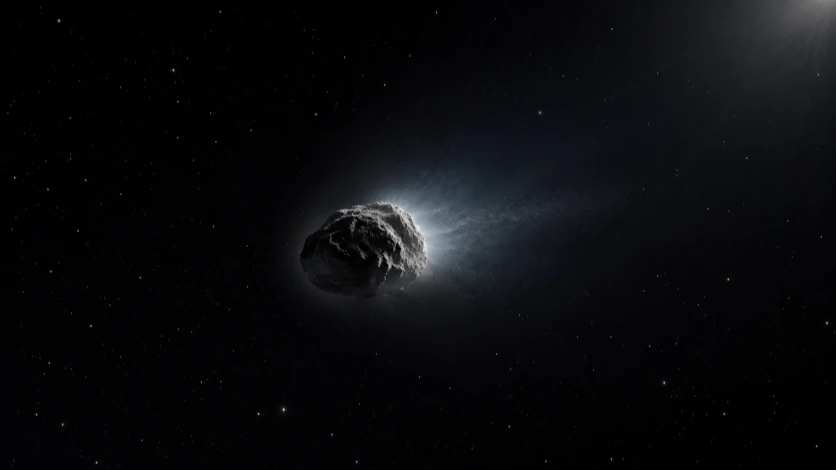
Yes. Researchers are observing 450P/LONEOS developing comet-like activity, including a faint coma of gas and dust, after its orbit shifted closer to the Sun.
Gemini North images tracked the coma between 2019 and 2024, while JWST detected carbon dioxide around the object and signs of icy dust. The study, accepted for publication and available as a preprint, says carbon dioxide is likely driving the activity.
This does not mean 450P has completed its evolution into a Jupiter-family comet. The researchers describe it as an active centaur that may be showing an early transition stage, so the careful conclusion is that scientists are watching the process begin.
450P/LONEOS is showing clear comet-like activity. It is an early transition candidate, not yet a fully evolved Jupiter-family comet.
Schambeau et al.
Observations from 2019 to 2024 detected a developing coma, carbon dioxide gas and icy dust around 450P/LONEOS.
Based on: arXiv
University of Central Florida
The research team says the object may be showing the early stages of a centaur becoming an active comet.
Based on: University of Central Florida
Space.com
Independent coverage confirms the observed comet-like behavior while noting that 450P is not yet a Jupiter-family comet.
Based on: Space.com
Was this check helpful?
Sign in required
Sign in required

Genes influence personality, but they do not determine it; common variants explained only a modest share of trait differences.
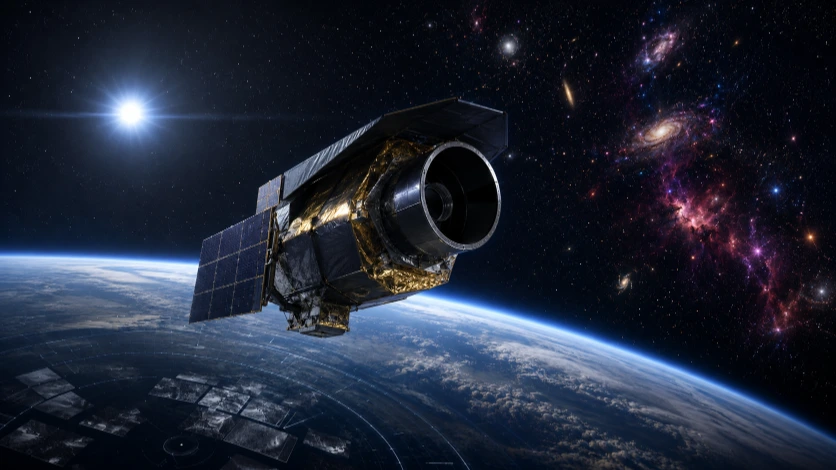
Partly. Roman uses former U.S. reconnaissance optics, but NASA and its partners rebuilt the assembly and added the scientific instruments and spacecraft.
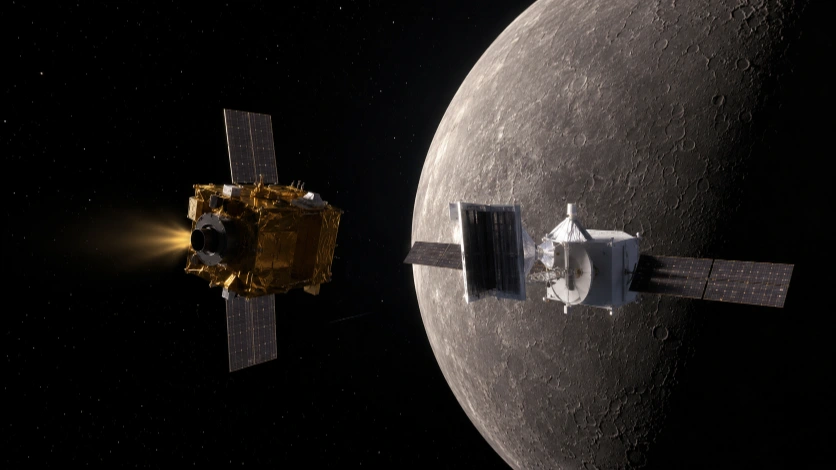
Yes. ESA confirmed the transfer module separated successfully, leaving the joined MPO and Mio orbiters on course for Mercury.