Lunar reflectors reveal the outward drift
NASA
NASA explains that Apollo surface reflectors show the Moon receding by about an inch and a half per year, approximately 4 centimeters.
Based on: NASA

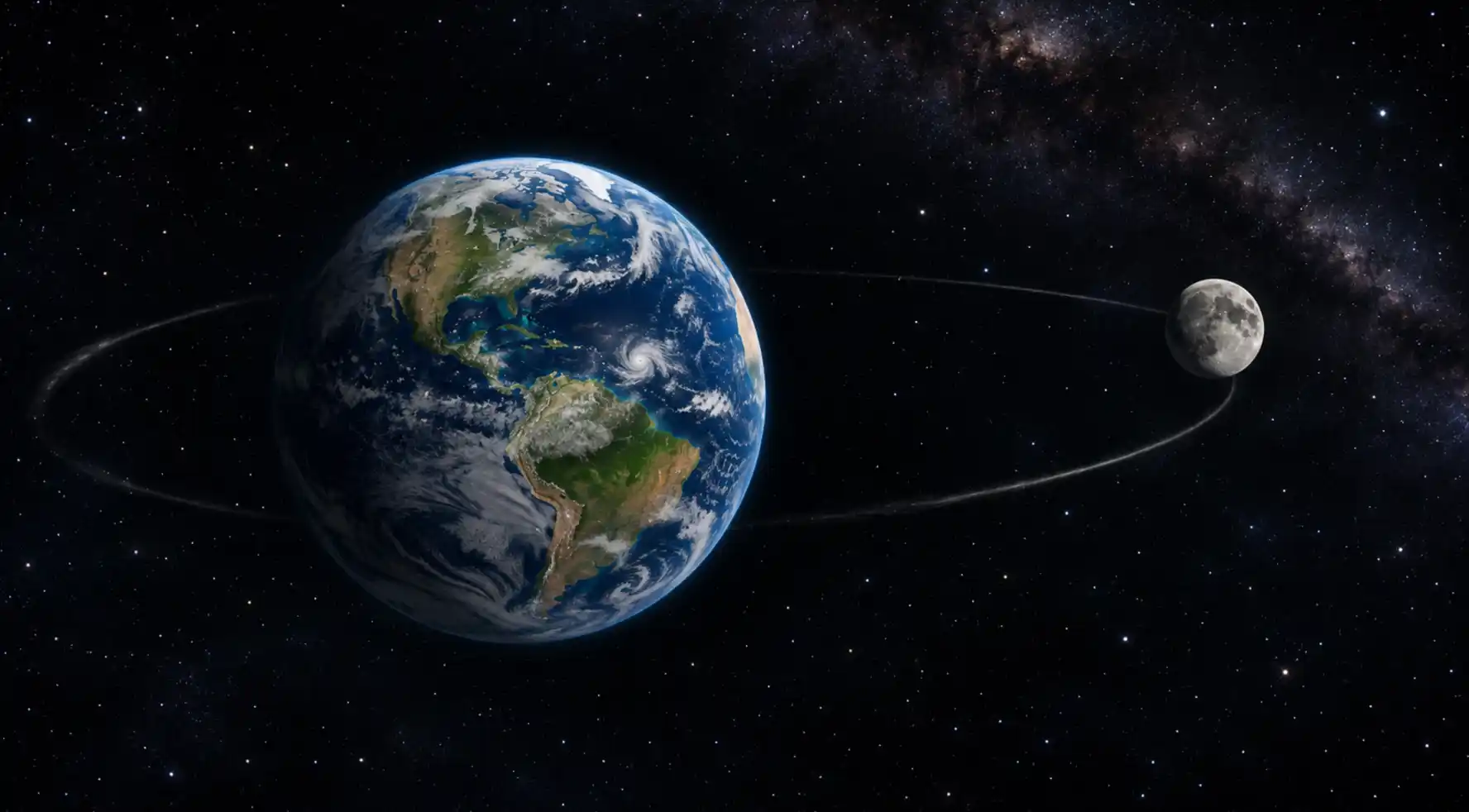
Yes. The Moon is gradually moving into a more distant orbit. Its average distance from Earth is currently increasing by roughly 4 centimeters per year.
NASA reports that measurements using reflectors placed on the Moon during the Apollo missions reveal this recession. The European Space Agency also describes an outward drift of about 4 centimeters annually. Tidal interactions transfer energy into the Moon's orbit while slowing Earth's rotation.
This is a long-term trend, not a steady increase in distance every moment. The Moon also moves closer to and farther from Earth during each orbit because its path is elliptical. Those regular variations are separate from the gradual expansion of its orbit.
The Moon's orbit is slowly expanding, even though its distance from Earth also rises and falls during every orbit.
NASA
NASA explains that Apollo surface reflectors show the Moon receding by about an inch and a half per year, approximately 4 centimeters.
Based on: NASA
European Space Agency
ESA states that the Moon moves about 4 centimeters farther from Earth each year and links this change to gravitational and tidal interactions.
Based on: European Space Agency
NASA
NASA describes how the interaction between the Moon and Earth's tidal bulges slows Earth's rotation and adds energy to the Moon's orbit.
Based on: NASA
NASA Space Place
The Moon's orbit is not a perfect circle, so its distance from Earth varies regularly. This variation is distinct from long-term orbital recession.
Based on: NASA Space Place
Was this check helpful?
Sign in required
Sign in required

Yes. Dolphins can enter slow-wave sleep in one brain hemisphere while the other remains more alert, helping them keep swimming, breathing and monitoring their surroundings.

No. Brown shells do not make eggs more nutritious. Shell color depends on the hen's genetics and is not a measure of nutritional quality.
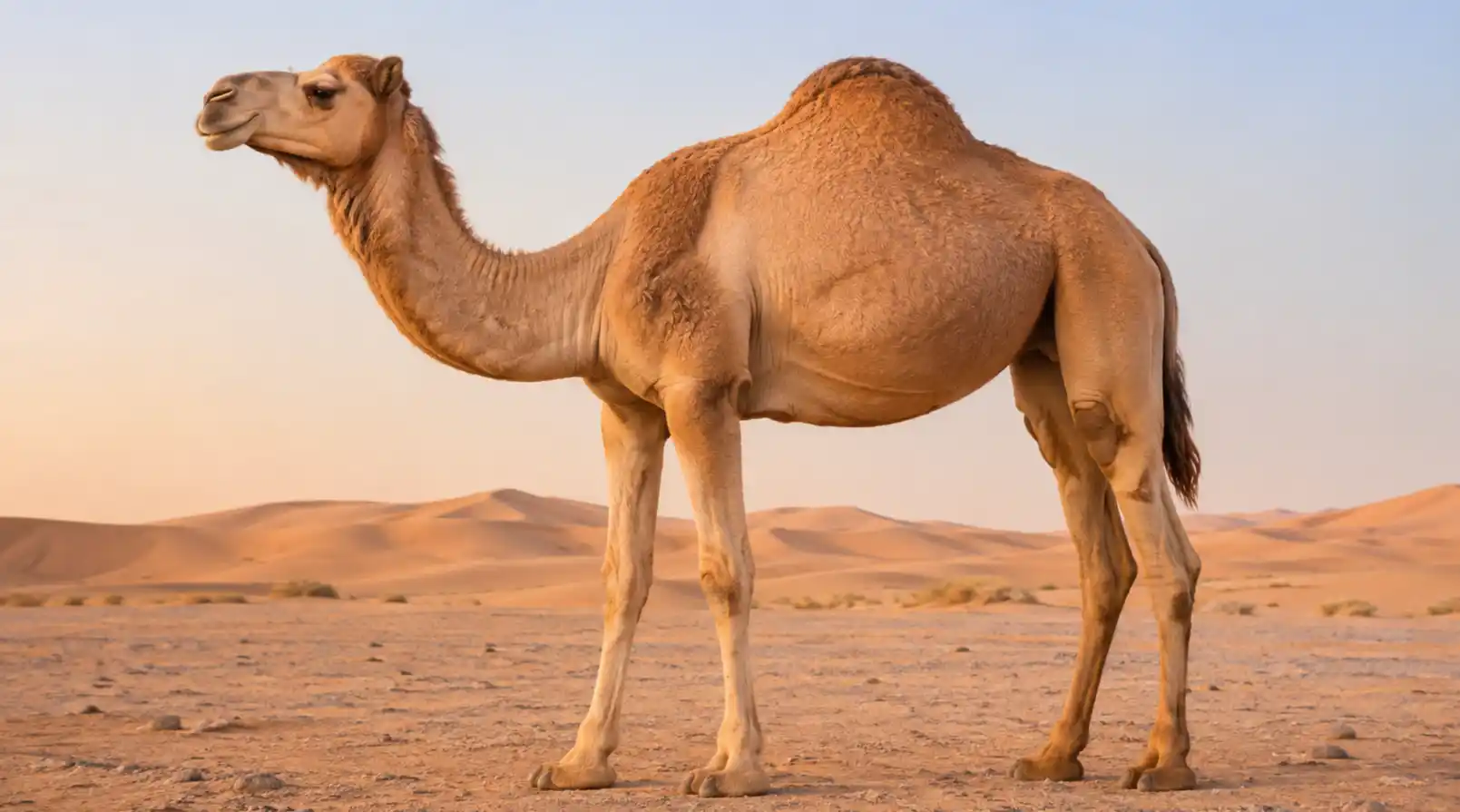
No. Camel humps store fat that provides energy when food is scarce. They are not reservoirs of drinking water.