Trooday
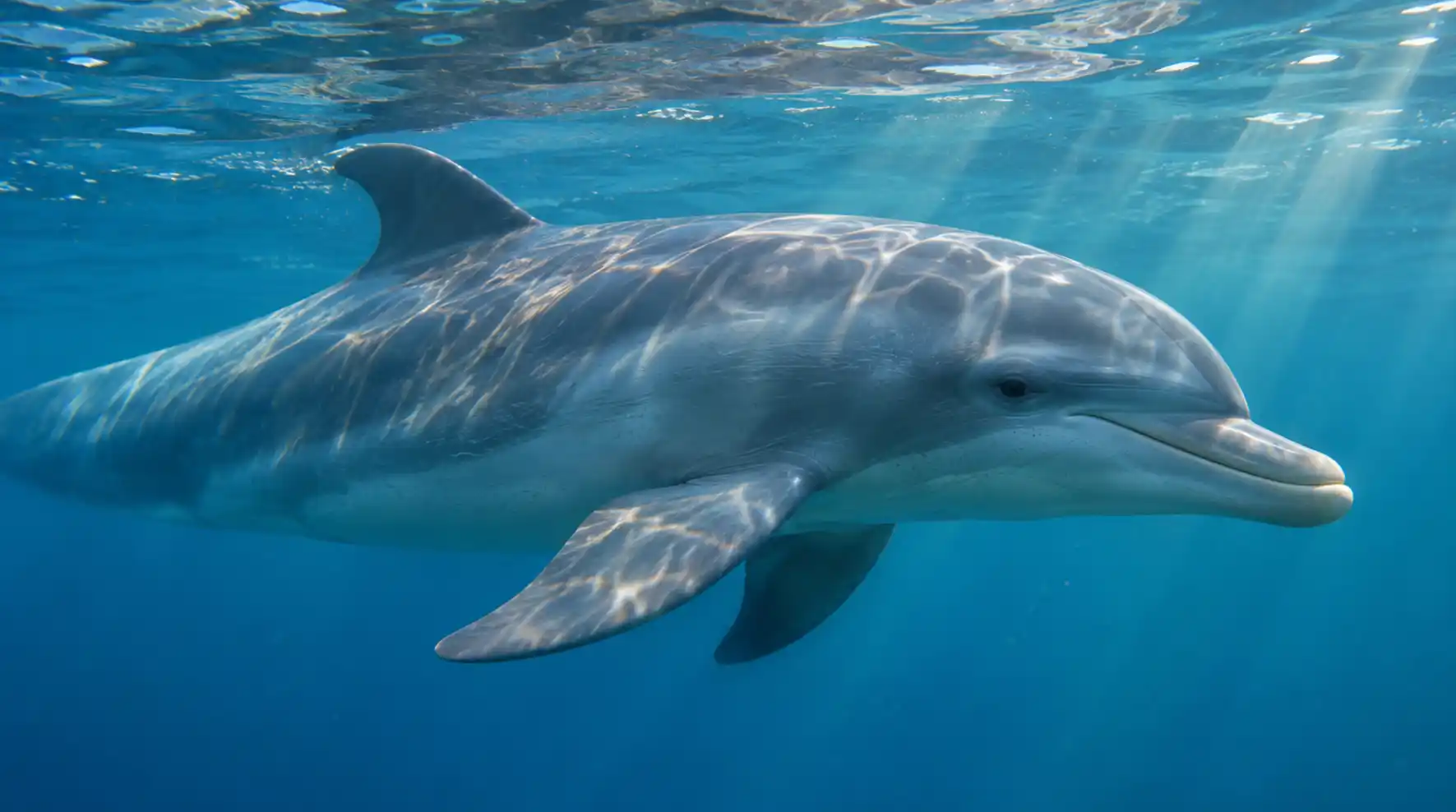
A bottlenose dolphin near the surface of calm blue water with one eye visible.
Science & Space

Can dolphins sleep with one half of their brain at a time?

Published

Verdict
True
Verification confidenceHigh

Explanation

Yes. Dolphins can sleep with one hemisphere of their brain at a time while the other remains more alert. This is called unihemispheric sleep.

A NOAA research ecologist explains that this allows dolphins to keep swimming, breathing and responding to their surroundings. A scientific paper in PLOS ONE describes earlier physiological observations of sleep-related slow waves on one side of a dolphin's brain while the opposite side shows waking activity.

Sleeping this way does not mean dolphins never need sleep or that half their brain switches off completely. It means the two hemispheres can occupy different sleep and waking states, allowing rest alongside continued awareness.

Key takeaway

Dolphins can rest one brain hemisphere while the other helps maintain awareness and essential activity.

Evidence

A NOAA researcher explains sleep in one hemisphere

NOAA Fisheries

Supports the claim

Research ecologist Amanda Bradford explains that dolphins sleep with one brain hemisphere at a time while retaining the ability to swim, breathe and remain aware.

Based on: NOAA Fisheries

The scientific literature describes different states in the two hemispheres

Branstetter and colleagues

Supports the claim

The paper's introduction describes prior physiological observations of slow-wave sleep in one hemisphere while the opposite hemisphere shows waking activity.

Based on: PLOS ONE

Behavioral vigilance is not itself a direct sleep recording

Branstetter and colleagues

Provides context

The authors distinguish their prolonged echolocation experiment from physiological sleep measurements, noting that their proposed sleep mechanism was not directly established during that experiment.

Based on: PLOS ONE

Was this check helpful?

Sign in required

Sign in required

How we check claims

Related checks