Camel humps store fat
San Diego Zoo Wildlife Alliance
The zoo states that camel humps store fat used for energy and can droop as those reserves are used.
Based on: San Diego Zoo Wildlife Alliance

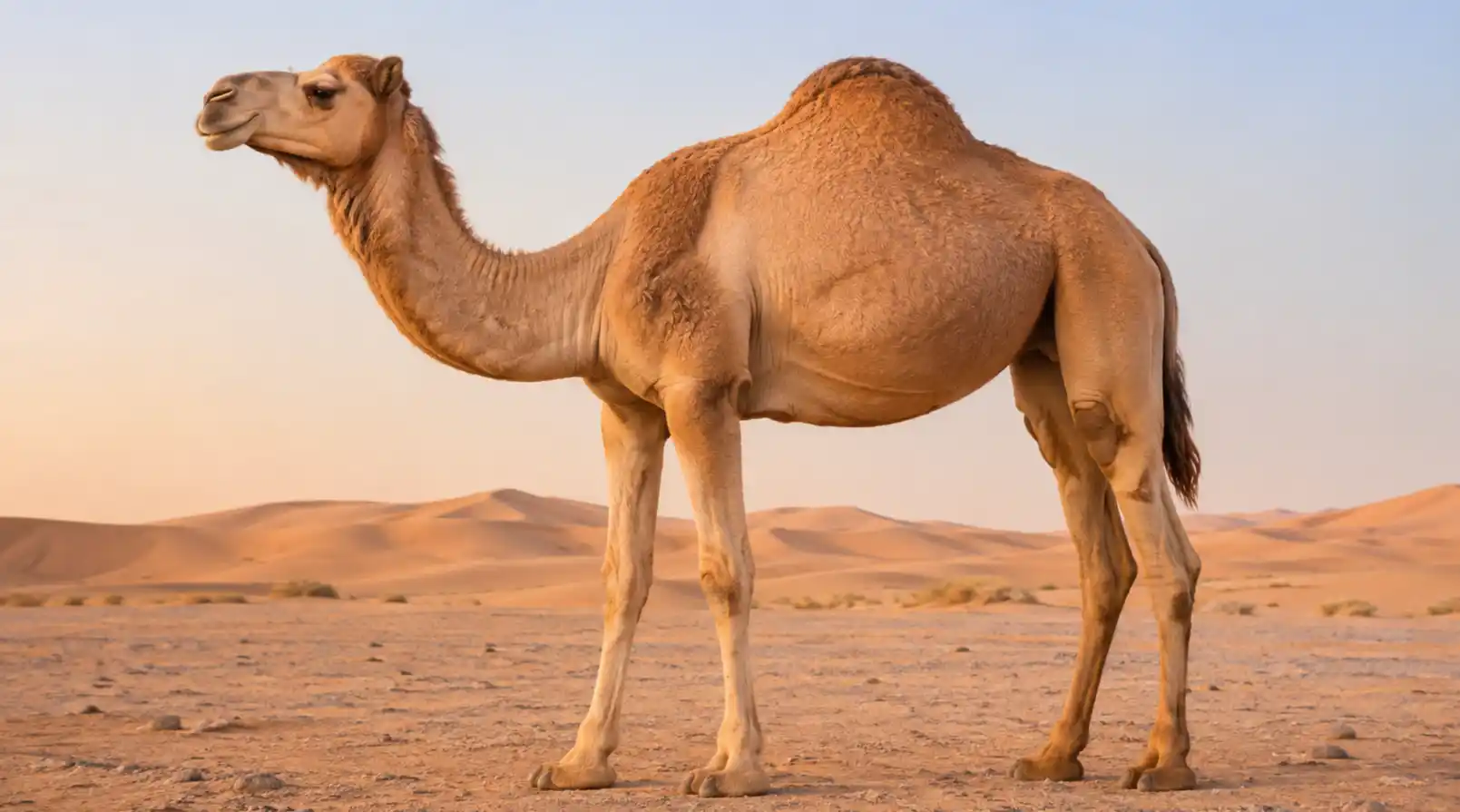
No. Camels store fat in their humps, not a reserve of drinking water. That fat provides energy when food becomes scarce.
San Diego Zoo explains that both dromedary and Bactrian camels store fat in their humps. Sedgwick County Zoo also describes the dromedary's hump as a store of excess fat, not water.
A hump can shrink and droop as the camel uses its fat reserves. Its changing shape reflects stored energy, not a water tank emptying.
A camel's hump stores fat for energy; it is not a water tank.
San Diego Zoo Wildlife Alliance
The zoo states that camel humps store fat used for energy and can droop as those reserves are used.
Based on: San Diego Zoo Wildlife Alliance
Sedgwick County Zoo
The zoo explicitly states that a dromedary's hump stores excess fat, not water.
Based on: Sedgwick County Zoo
Was this check helpful?
Sign in required
Sign in required

Yes. Heating the moisture inside a popcorn kernel builds pressure until its hull ruptures and the starch expands.
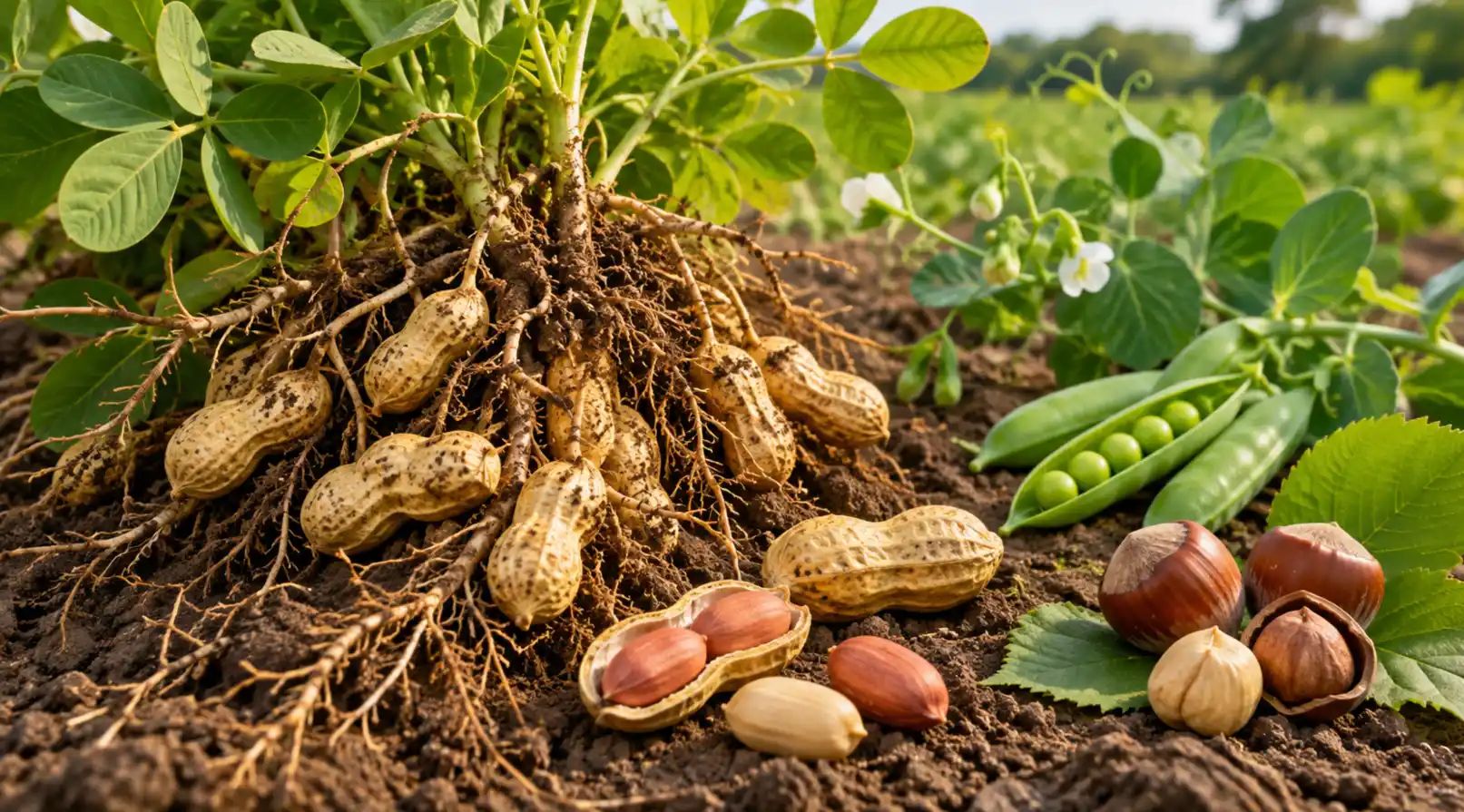
No. Peanuts are legumes, like peas and beans. Their familiar name and nutritional similarities to tree nuts do not determine their botanical classification.

Yes. Venus rotates once in about 243 Earth days and orbits the Sun in about 225. However, its noon-to-noon solar day lasts about 117 Earth days.