UK cohort links coffee with better liver outcomes
Kennedy and colleagues
The prospective UK Biobank analysis found lower rates of chronic liver disease and related mortality among coffee drinkers.
Based on: BMC Public Health

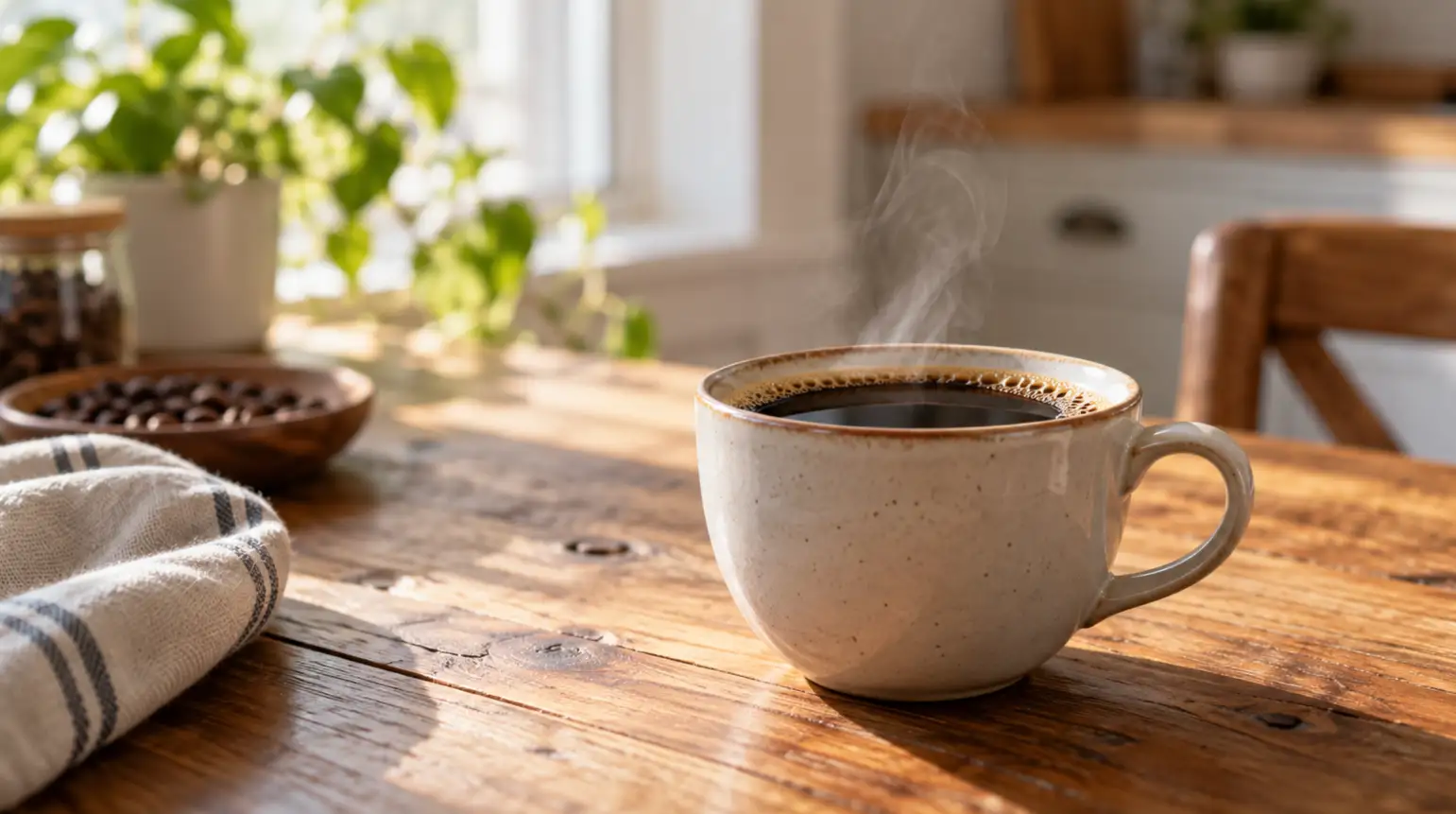
Evidence supports a potential liver benefit: coffee consumption is associated with lower risks of several liver-related outcomes. This does not establish a guaranteed protective effect.
A study of 494,585 UK Biobank participants linked coffee drinking with lower rates of chronic liver disease and related deaths. Separately, research in a US multiethnic population associated higher coffee intake with lower liver cancer risk.
These observational findings cannot establish causation. Other differences between coffee drinkers and non-drinkers may influence the results. The evidence supports an association, rather than proof that coffee prevents or treats liver disease.
Coffee is linked to better liver outcomes, but association is not proof of prevention or treatment.
Kennedy and colleagues
The prospective UK Biobank analysis found lower rates of chronic liver disease and related mortality among coffee drinkers.
Based on: BMC Public Health
University of Southern California
USC reported that a prospective multiethnic study associated higher coffee consumption with lower hepatocellular carcinoma risk.
Based on: University of Southern California
Kennedy and colleagues
The authors identify observational design, baseline-only coffee assessment and possible residual confounding as limitations.
Based on: BMC Public Health
Was this check helpful?
Sign in required
Sign in required
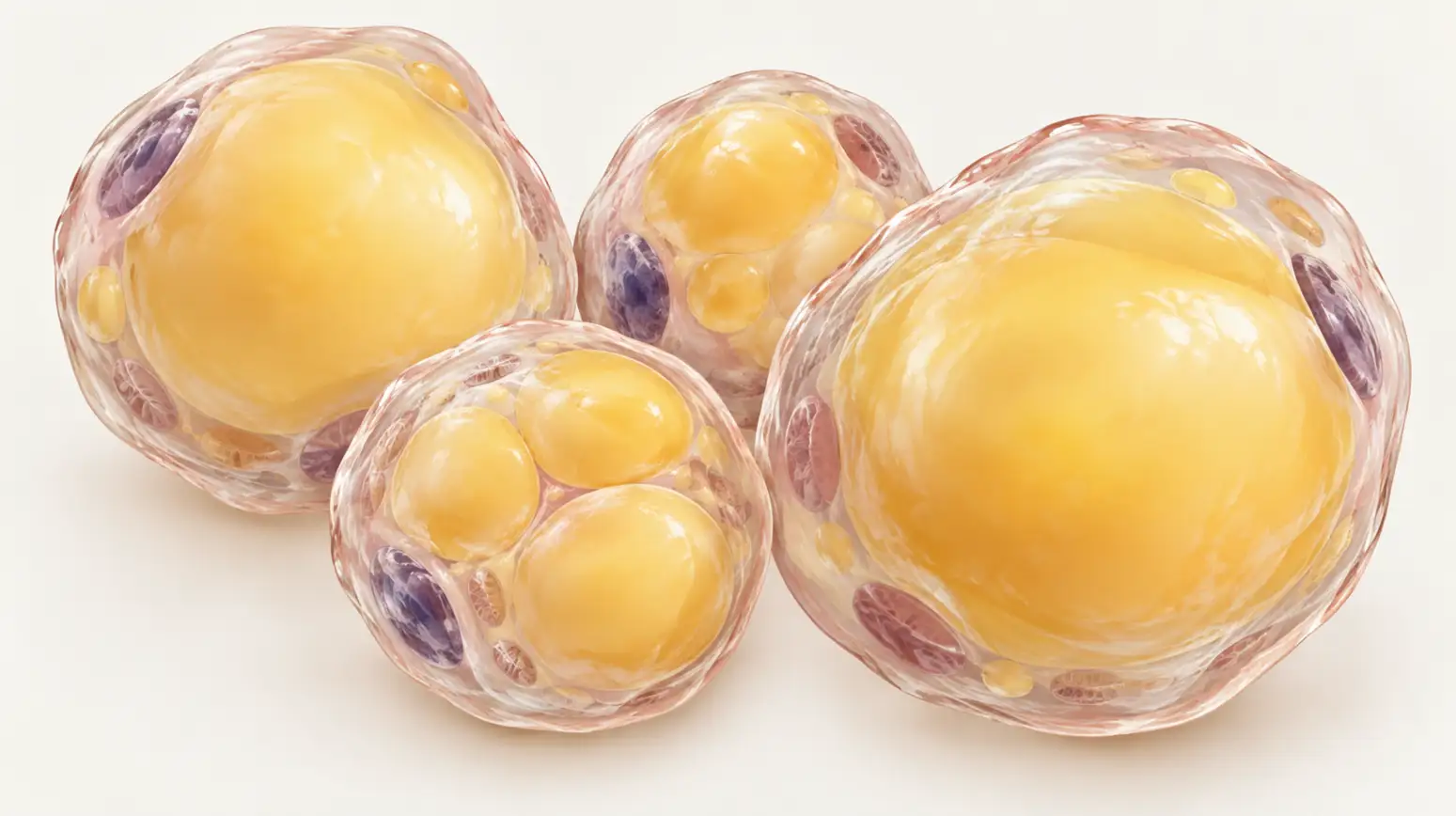
Individual fat cells die and are replaced. Weight loss generally shrinks existing fat cells rather than substantially reducing their total number.
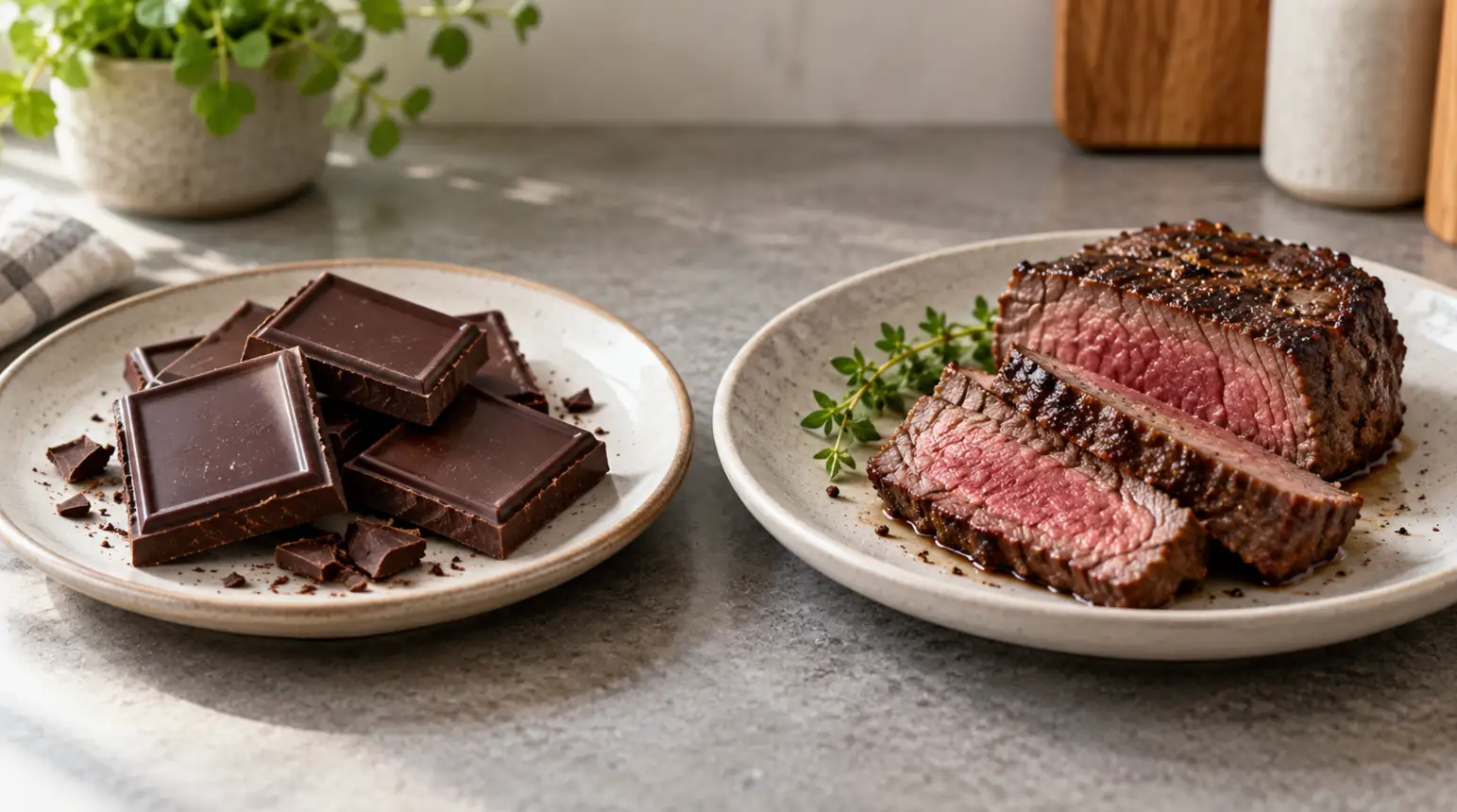
Yes, by equal weight in standard food comparisons. But portion sizes matter, and more iron in a food does not necessarily mean more iron absorbed.
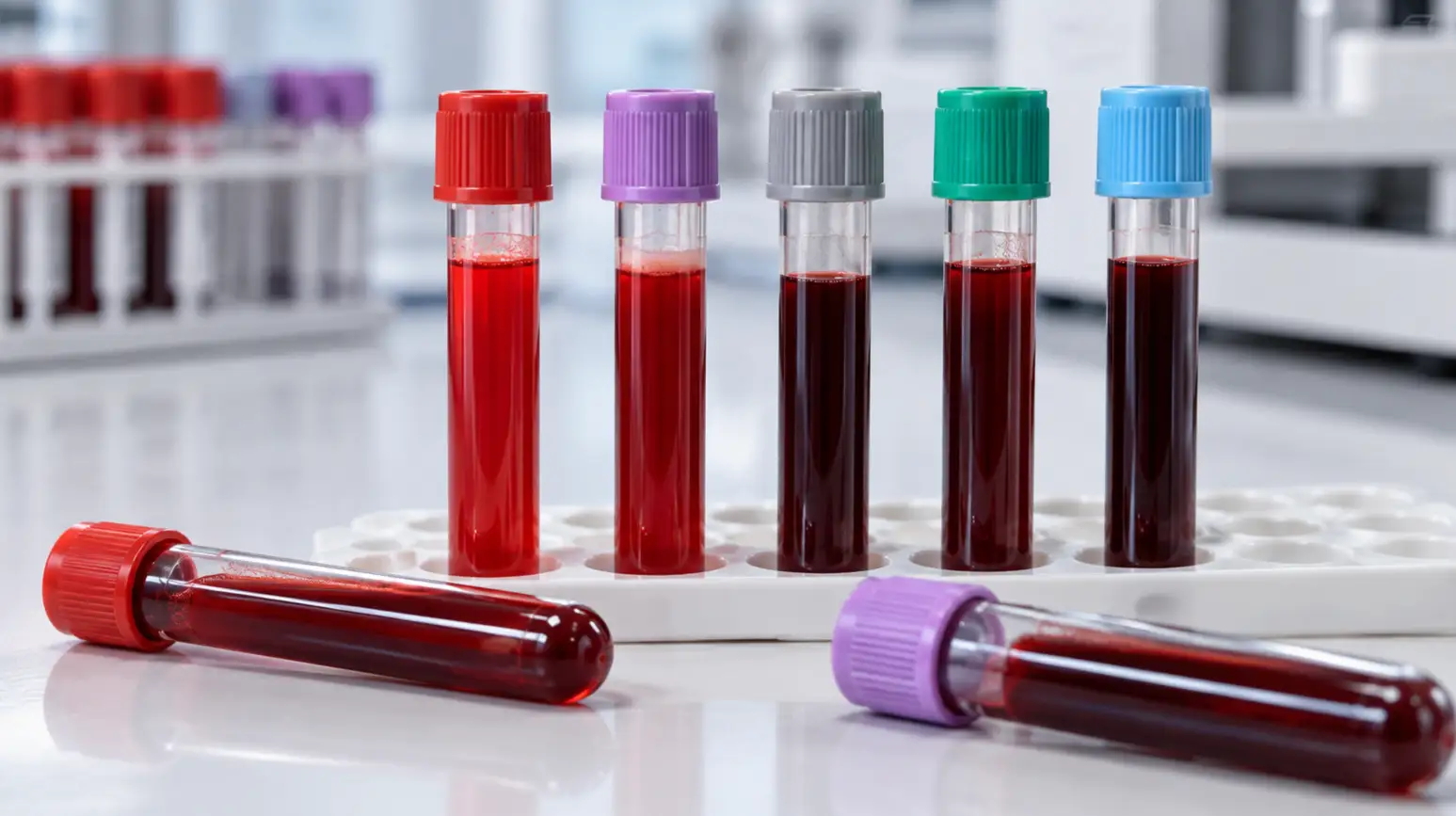
Human blood is red both inside and outside the body. Oxygen-rich blood is brighter red, while oxygen-poor blood is darker red, not blue.