Blood remains red as its oxygen level changes
Cleveland Clinic
Hematologist Alan Lichtin explains that oxygen-rich blood is bright red and becomes darker as oxygen is released; it does not become blue.
Based on: Cleveland Clinic

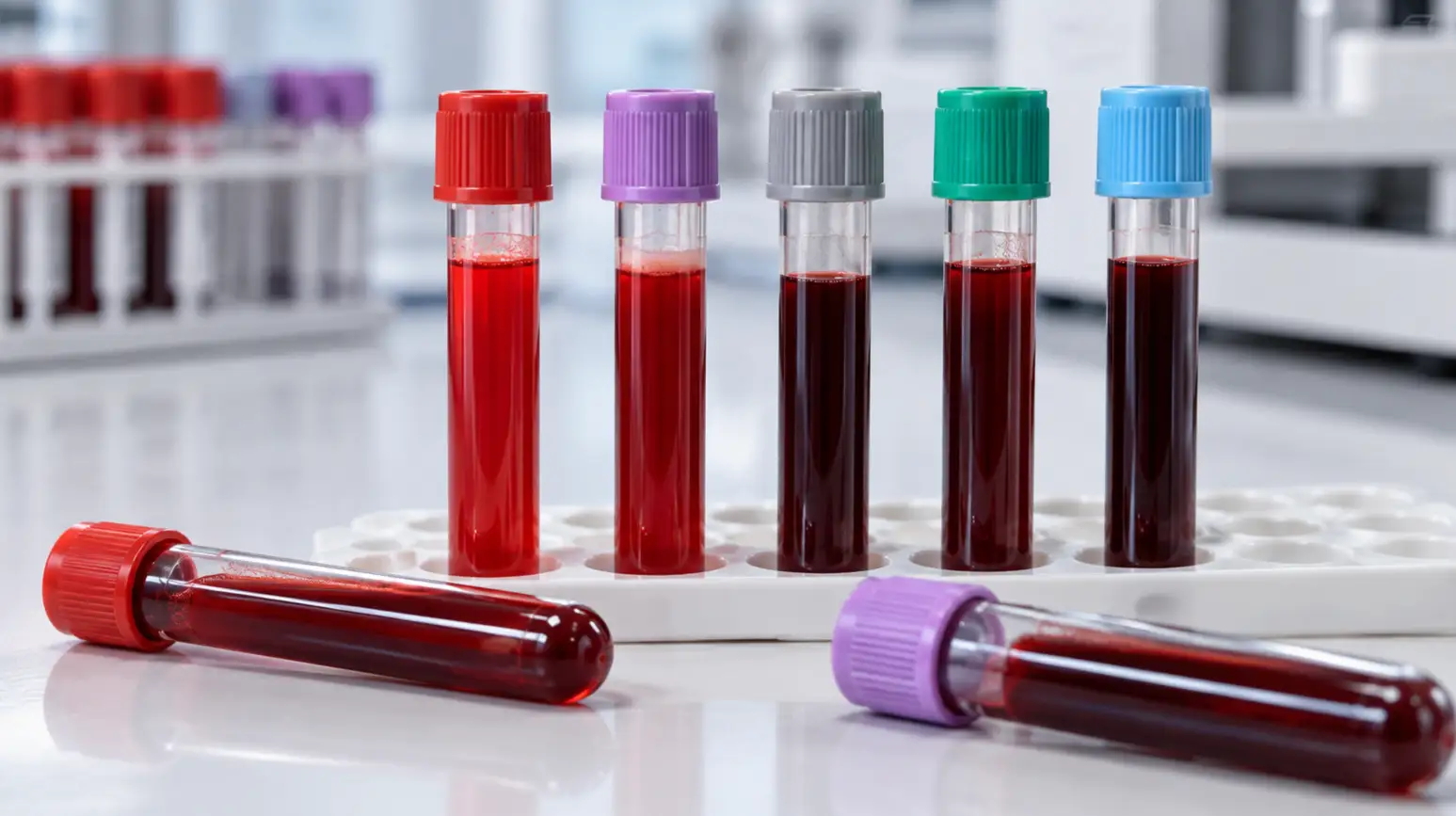
No. Human blood does not start blue and turn red when it encounters oxygen. In normal circulation, both oxygen-rich and oxygen-poor blood are red, although their shades differ.
Hemoglobin, the oxygen-carrying protein in red blood cells, accounts for this color. Blood carrying more oxygen is bright red; blood carrying less is darker red. Oxygen changes the shade rather than switching blood from blue to red.
Veins can look blue through skin because of how light interacts with the tissues and how we perceive color. Blue in circulation diagrams is also a visual convention, not the actual color of venous blood. Some invertebrates have blue blood based on a different oxygen-carrying protein, but that does not describe human blood.
Oxygen-poor human blood is dark red, not blue.
Cleveland Clinic
Hematologist Alan Lichtin explains that oxygen-rich blood is bright red and becomes darker as oxygen is released; it does not become blue.
Based on: Cleveland Clinic
Arizona State University School of Life Sciences
ASU explains that more oxygen attached to hemoglobin makes blood brighter red, while less oxygen makes it darker red.
Based on: Arizona State University School of Life Sciences — Ask A Biologist
Cleveland Clinic and Arizona State University
Both institutions distinguish the optical appearance of veins through skin from the actual red color of the blood inside them.
Based on: Cleveland Clinic
Was this check helpful?
Sign in required
Sign in required

Breakfast can have benefits, but research does not establish it as the most important meal for everyone. Its effects depend on the person and outcome studied.
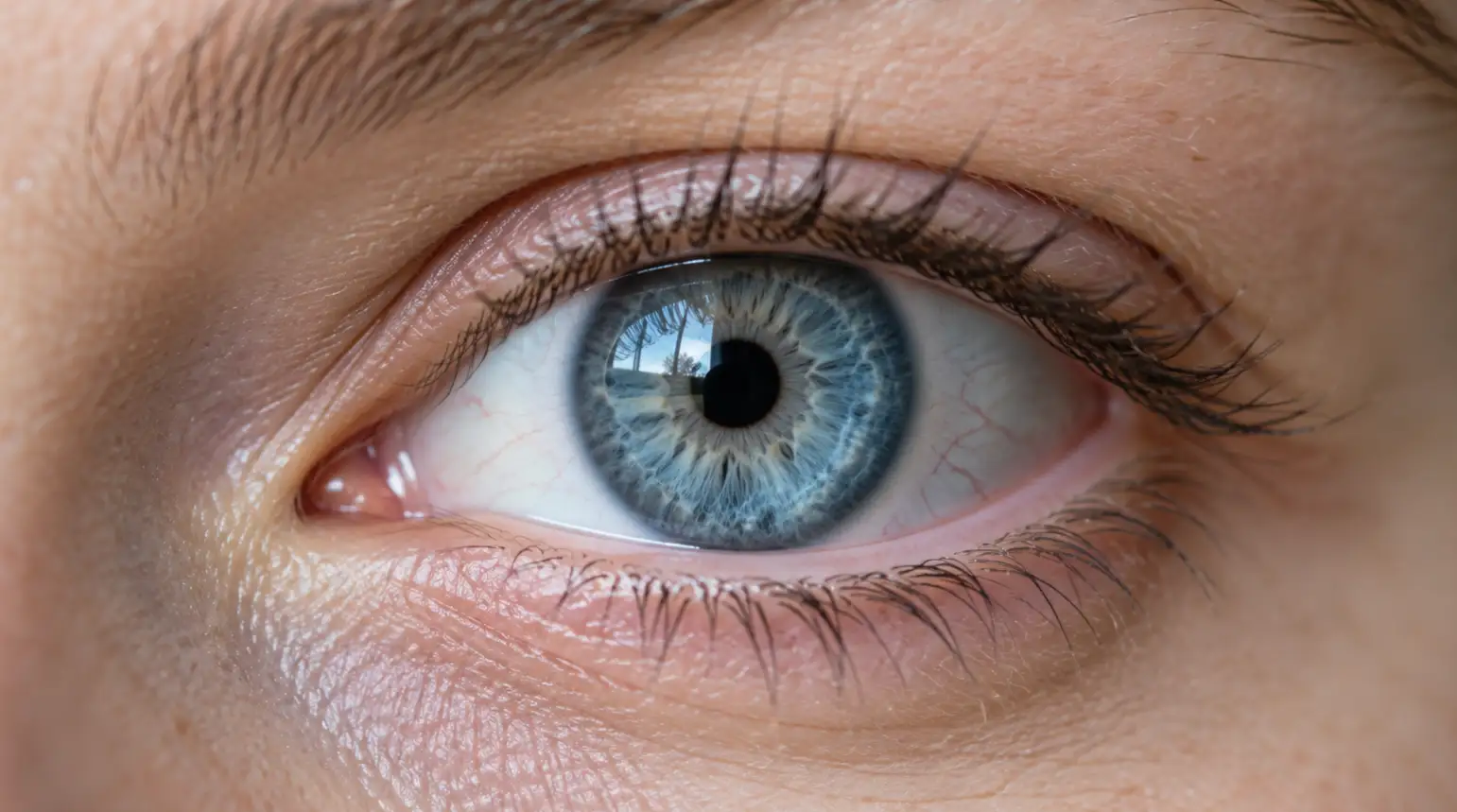
Some ophthalmologists link lighter eyes to light sensitivity, but experimental findings are inconsistent. Eye color alone is not a reliable predictor.
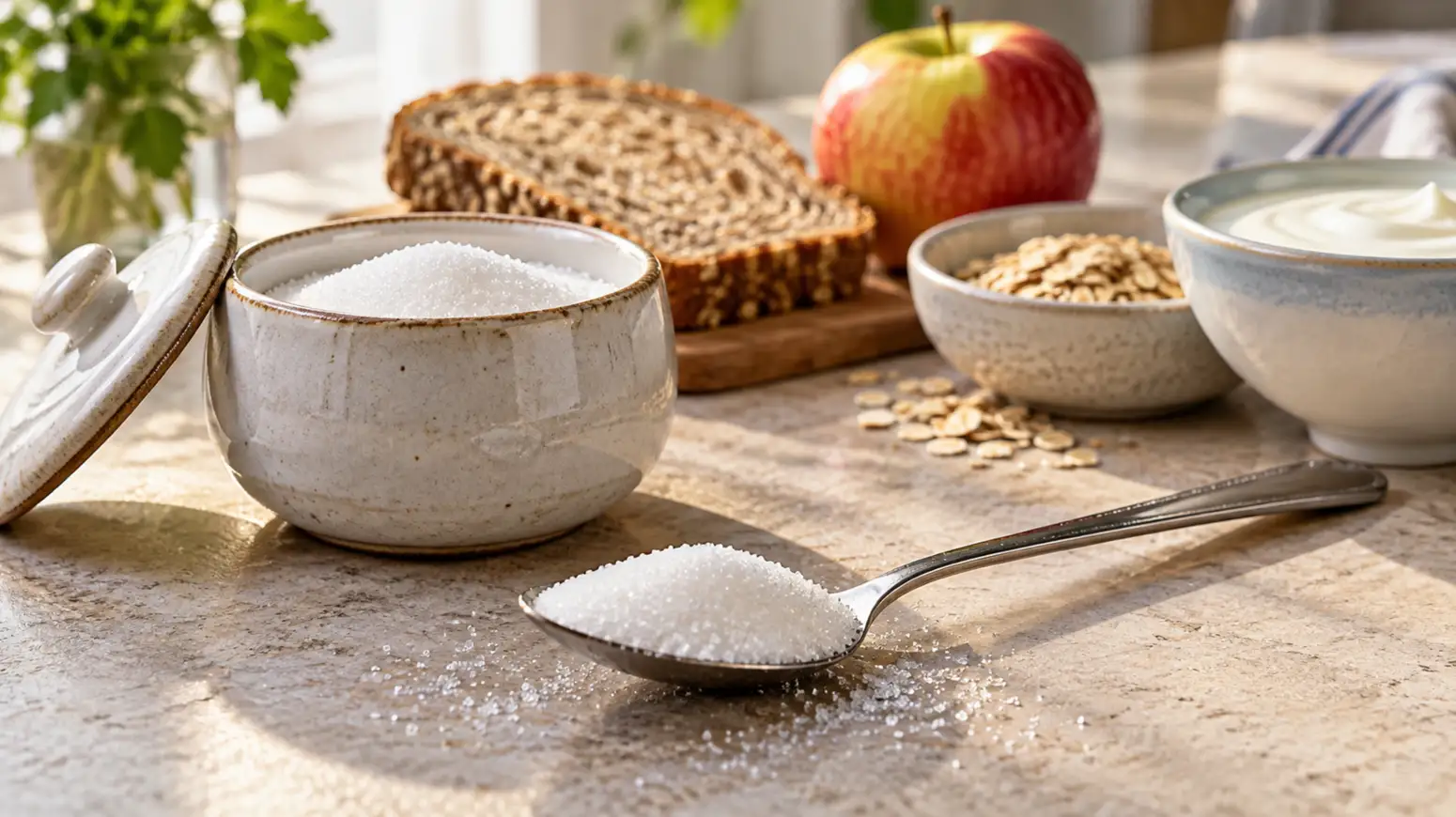
Cancer cells use glucose, but healthy cells do too. This does not establish that eating sugar directly worsens cancer or that removing it can starve a tumour.