Fat cells are lost and replaced
Karolinska Institutet
Researcher Kirsty Spalding reports that around 10% of fat cells are newly formed each year and approximately the same number are lost.
Based on: Karolinska Institutet

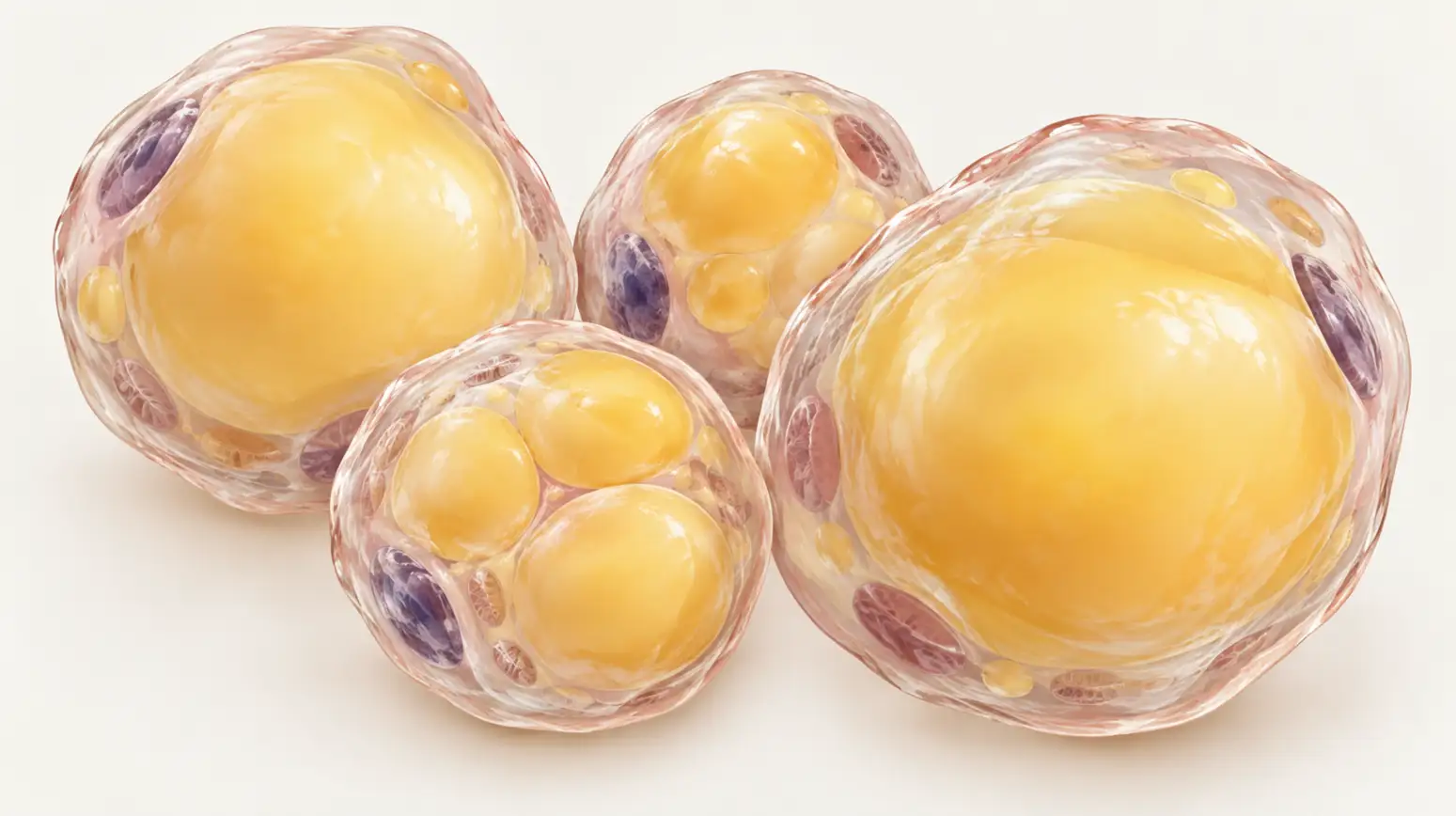
Not literally. Individual fat cells die and are replaced. The accurate part is that adult weight loss generally reduces the amount of fat stored inside cells rather than substantially reducing their total number.
Karolinska researcher Kirsty Spalding explains that roughly 10% of fat cells are newly formed each year, while approximately the same number are lost. The Broad Institute also describes this turnover. A separate 2023 scientific review explains that cell formation and programmed cell death help regulate adipose tissue populations.
Cell size, cell number and the survival of an individual cell are different things. A relatively stable number does not mean the same cells survive forever, and cell-number patterns can vary between fat depots and biological conditions. This check describes general biology rather than predicting an individual's response to weight loss.
Fat cells are renewed over time, while weight loss generally makes existing cells smaller.
Karolinska Institutet
Researcher Kirsty Spalding reports that around 10% of fat cells are newly formed each year and approximately the same number are lost.
Based on: Karolinska Institutet
Karolinska Institutet
The researcher distinguishes shrinking fat cells during weight loss from reducing their total number and notes that some fat depots can gain cells with weight gain.
Based on: Karolinska Institutet
Broad Institute
Broad describes new fat cells replacing older cells at approximately 10% annually. Its account explicitly references the original Karolinska-led study rather than a separate replication.
Based on: Broad Institute
Palacios-Marin and colleagues
A 2023 scientific review describes proliferation, differentiation and apoptosis as processes regulating adipose tissue cell populations, contradicting permanent survival of individual cells.
Based on: Nutrients; University of Barcelona repository
Was this check helpful?
Sign in required
Sign in required
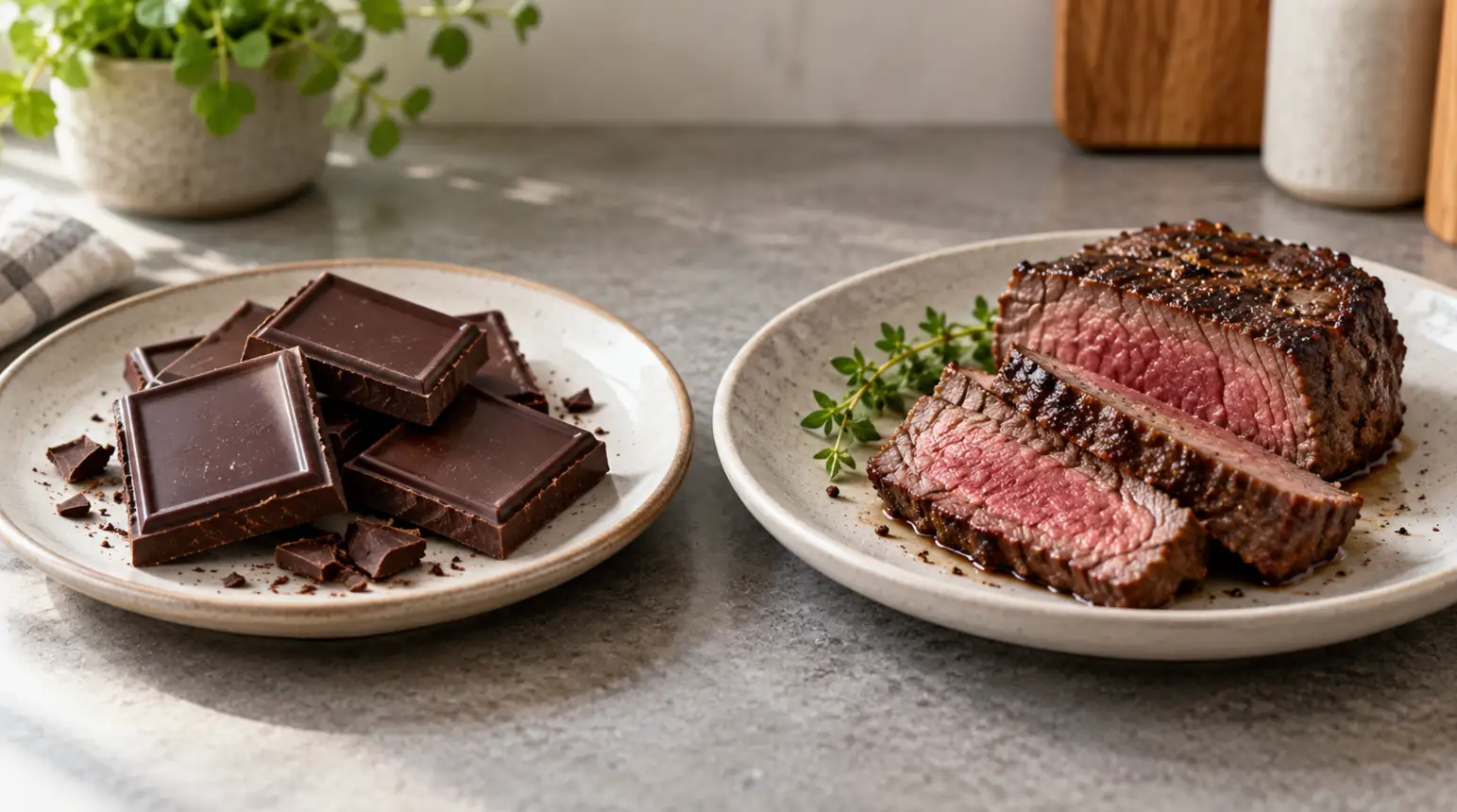
Yes, by equal weight in standard food comparisons. But portion sizes matter, and more iron in a food does not necessarily mean more iron absorbed.

Human blood is red both inside and outside the body. Oxygen-rich blood is brighter red, while oxygen-poor blood is darker red, not blue.

Breakfast can have benefits, but research does not establish it as the most important meal for everyone. Its effects depend on the person and outcome studied.