Icebergs originate as freshwater ice on land
Canadian Coast Guard
Section 3.3.1 describes icebergs as freshwater ice originally on land that breaks away from glaciers into the sea.
Based on: Canadian Coast Guard

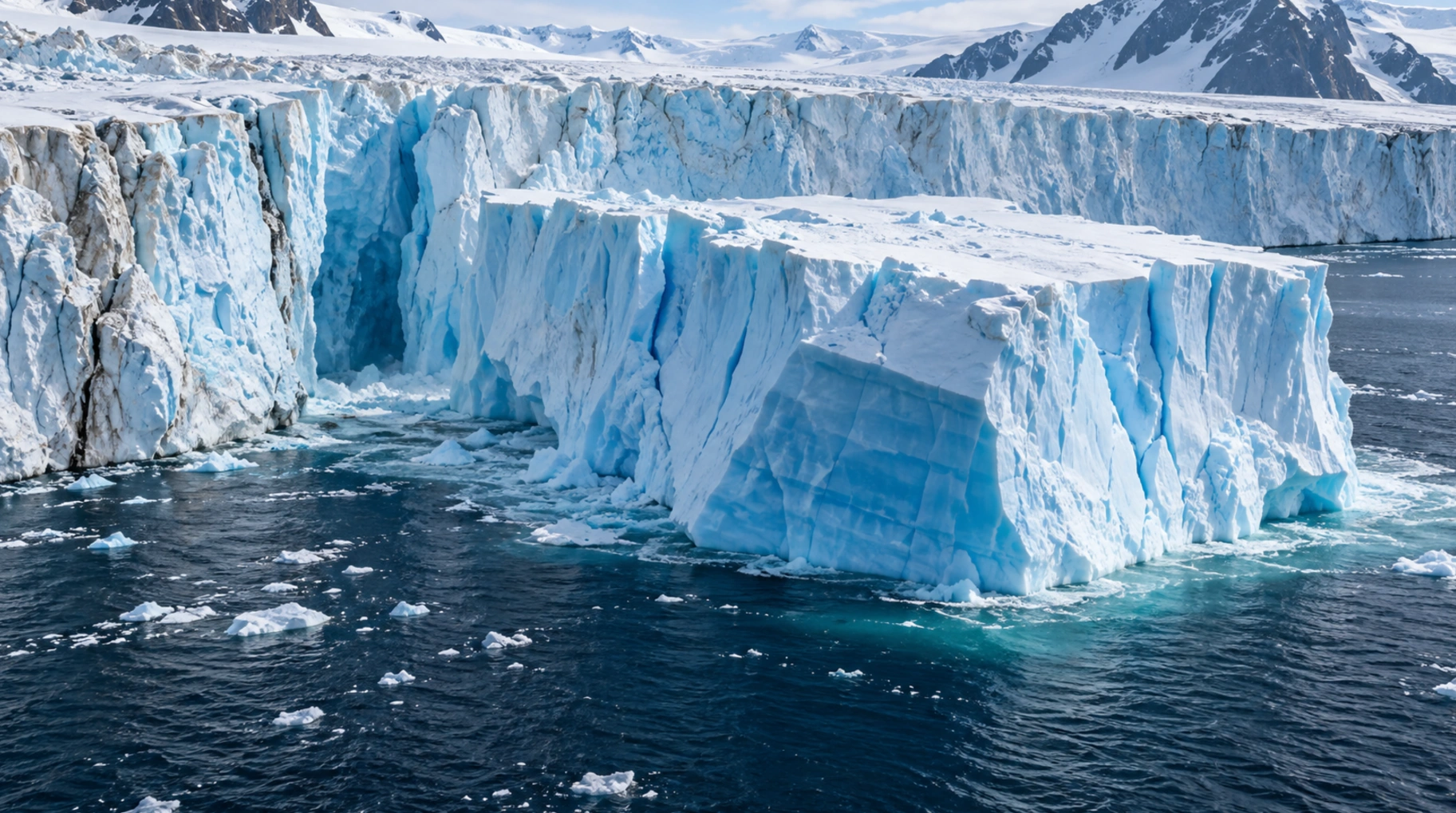
No. Icebergs are pieces of glacial ice that have broken away into water. Floating in the ocean does not mean they formed from frozen seawater.
The Canadian Coast Guard describes icebergs as freshwater ice originally formed on land. The National Snow and Ice Data Center explains that glaciers and icebergs originate from snow falling on land.
Sea ice has a different origin: it forms when ocean water freezes. Both can occur in the same polar waters, so their location alone does not distinguish them.
Icebergs and sea ice have different origins: glacial ice comes from land, while sea ice forms from ocean water.
Canadian Coast Guard
Section 3.3.1 describes icebergs as freshwater ice originally on land that breaks away from glaciers into the sea.
Based on: Canadian Coast Guard
National Snow and Ice Data Center
The explanation distinguishes icebergs and glaciers formed from snowfall on land from sea ice formed in ocean water.
Based on: National Snow and Ice Data Center
Was this check helpful?
Sign in required
Sign in required
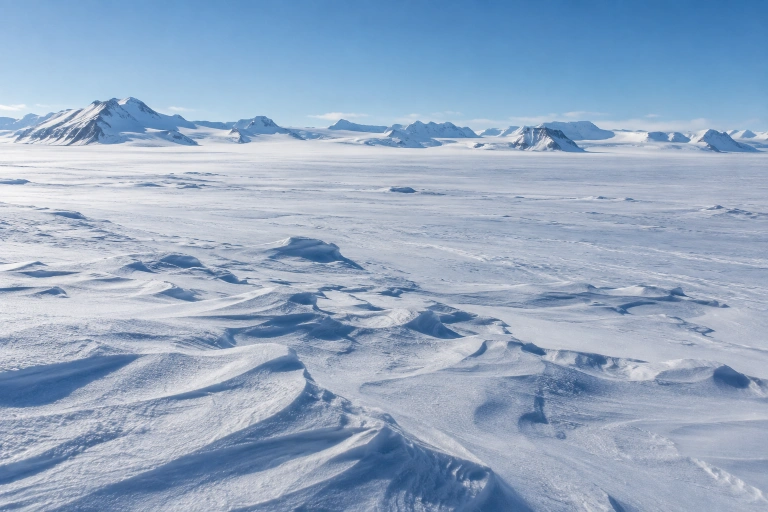
Yes. Antarctica is a polar desert because it receives little precipitation, especially inland. Its thick ice reflects accumulated snowfall, not a wet climate everywhere.

No. Some compostable plastics require industrial conditions. Home composting suitability must be specifically identified; the word “compostable” alone is not enough.

No. The number identifies the plastic resin. It does not guarantee that your local recycling service accepts the item.