NASA links desert classification to low precipitation
NASA
NASA identifies Antarctica as a desert because it receives little rain or snow and explains how snowfall accumulating over long periods produces thick ice sheets.
Based on: NASA

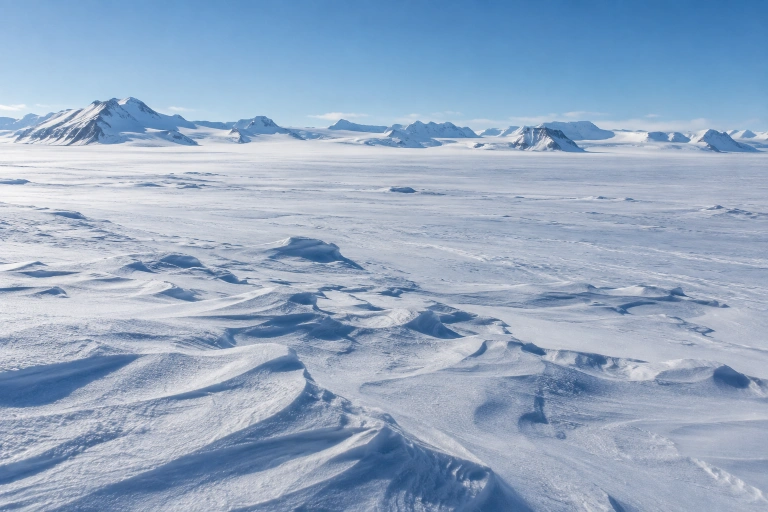
Yes. Antarctica is classified as a polar desert because it receives very little precipitation, especially in its interior. A desert does not have to be hot or covered in sand.
NASA explains that Antarctica's limited snowfall can accumulate over long periods to form thick ice sheets. The British Antarctic Survey describes a strong contrast between the relatively snowy coast and the much drier interior.
The amount of ice already on the ground is different from the amount of precipitation arriving each year. Calling Antarctica a desert does not mean it never snows or that every part of the continent is equally dry.
Low precipitation makes Antarctica a polar desert. Extensive ice cover and a dry climate can coexist.
NASA
NASA identifies Antarctica as a desert because it receives little rain or snow and explains how snowfall accumulating over long periods produces thick ice sheets.
Based on: NASA
British Antarctic Survey
The British Antarctic Survey describes low snowfall in the interior as the reason much of Antarctica qualifies as desert, while noting substantially higher snowfall near the coast.
Based on: British Antarctic Survey
Was this check helpful?
Sign in required
Sign in required
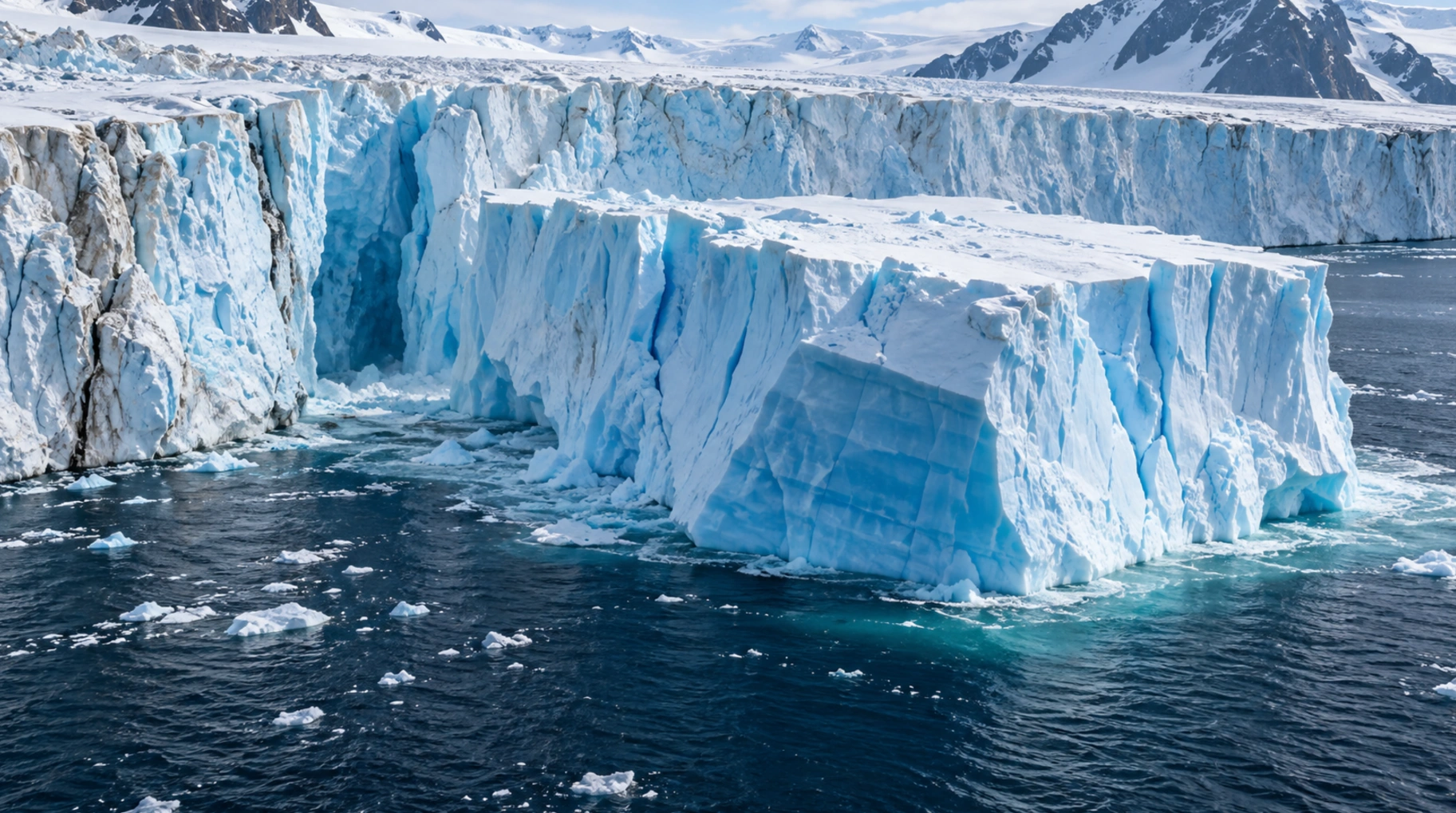
No. Icebergs break away from glaciers or ice shelves. Their glacial ice originates on land, unlike sea ice, which forms when seawater freezes.

No. Some compostable plastics require industrial conditions. Home composting suitability must be specifically identified; the word “compostable” alone is not enough.

No. The number identifies the plastic resin. It does not guarantee that your local recycling service accepts the item.