The beach rule counts the blocking contact
FIVB
Rule 14.4.1 counts a blocking contact as a team hit and permits only two further hits. Rule 14.4.2 permits the blocker to make the next contact.
Based on: FIVB

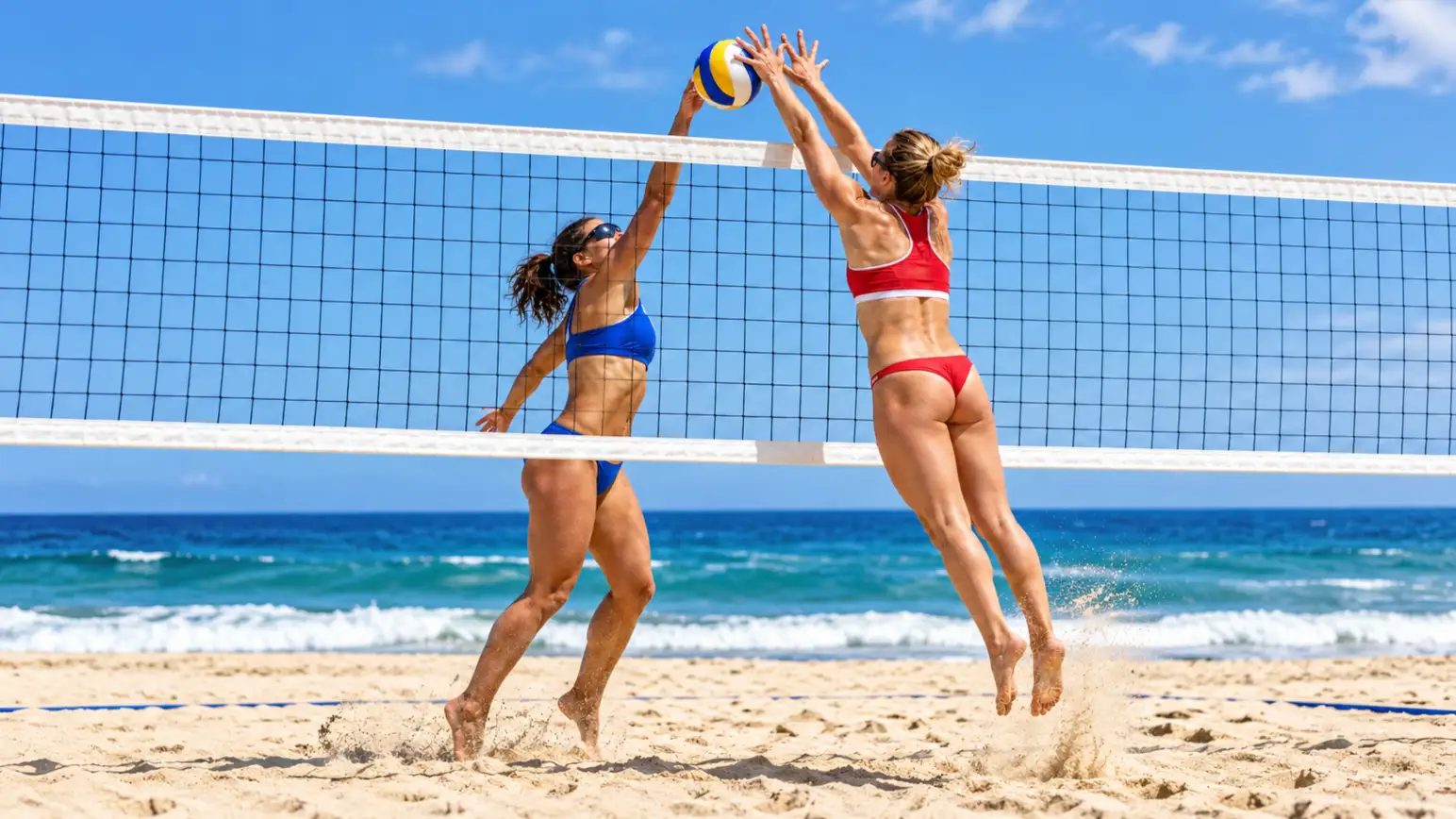
Yes. Under FIVB's 2025–2028 beach volleyball rules, a blocking contact counts as a team hit. The blocking team then has two more hits available to return the ball.
Rule 14.4.1 states the limit explicitly. Rule 14.4.2 allows either player, including the blocker, to make the next contact. The AVP's separate rules explainer confirms the same treatment of a beach volleyball block.
Indoor volleyball differs: FIVB's 2025–2028 indoor rules exclude the block contact from the team's three-hit allowance. The distinction concerns contact with the ball during a block, not merely jumping to attempt one.
After a block contact, beach volleyball allows two more team hits; indoor volleyball allows three.
FIVB
Rule 14.4.1 counts a blocking contact as a team hit and permits only two further hits. Rule 14.4.2 permits the blocker to make the next contact.
Based on: FIVB
Association of Volleyball Professionals
The AVP explains that a beach volleyball block leaves two contacts, while an indoor team retains three. Its older explanation remains consistent with the FIVB 2025–2028 rulebooks.
Based on: Association of Volleyball Professionals
FIVB
Rule 14.4.1 of the indoor rulebook excludes a block contact from team hits, leaving three hits after the block.
Based on: FIVB
Was this check helpful?
Sign in required
Sign in required
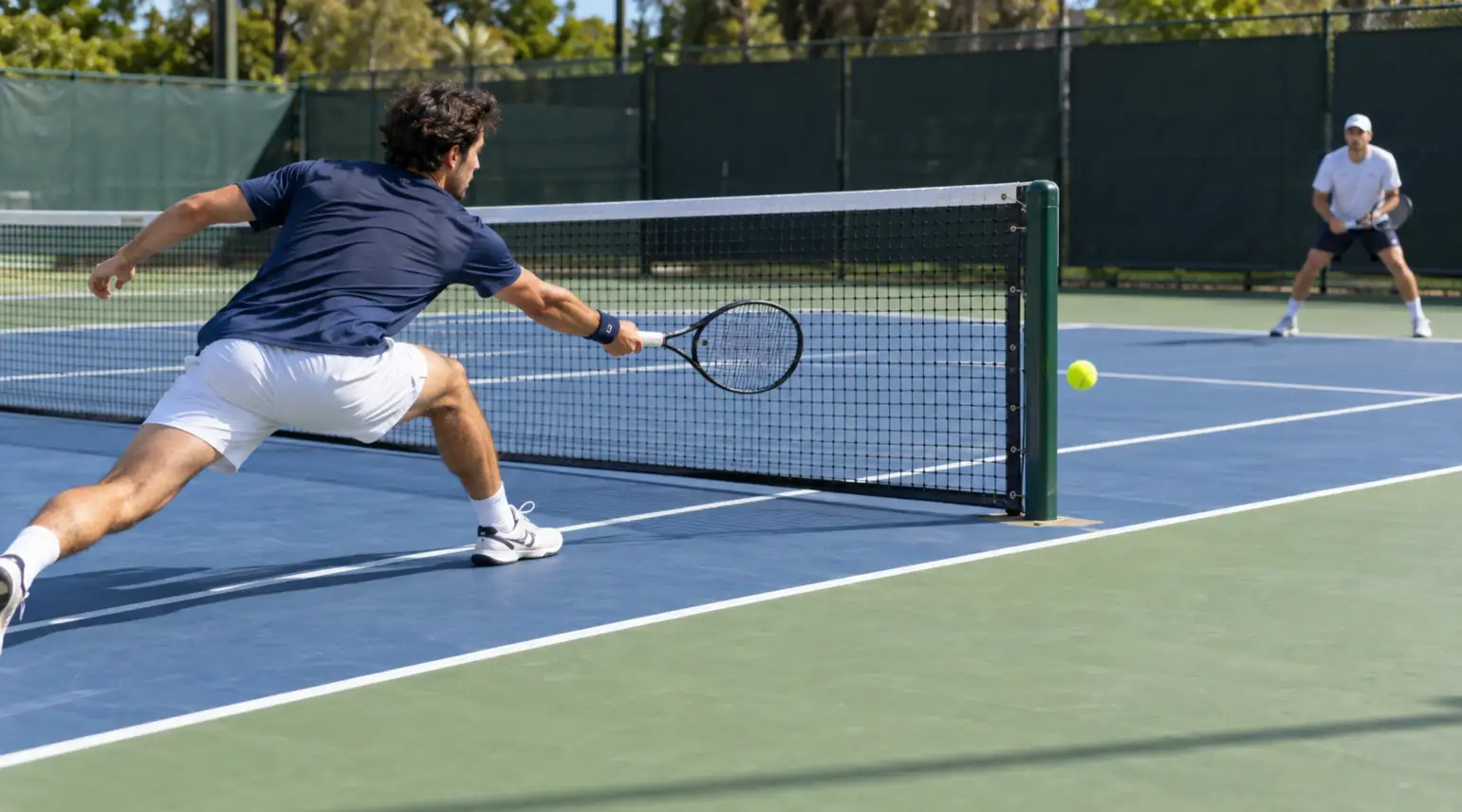
Yes. A return can travel around the outside of the net post below net height and land in the correct court. It does not have to pass over the net.
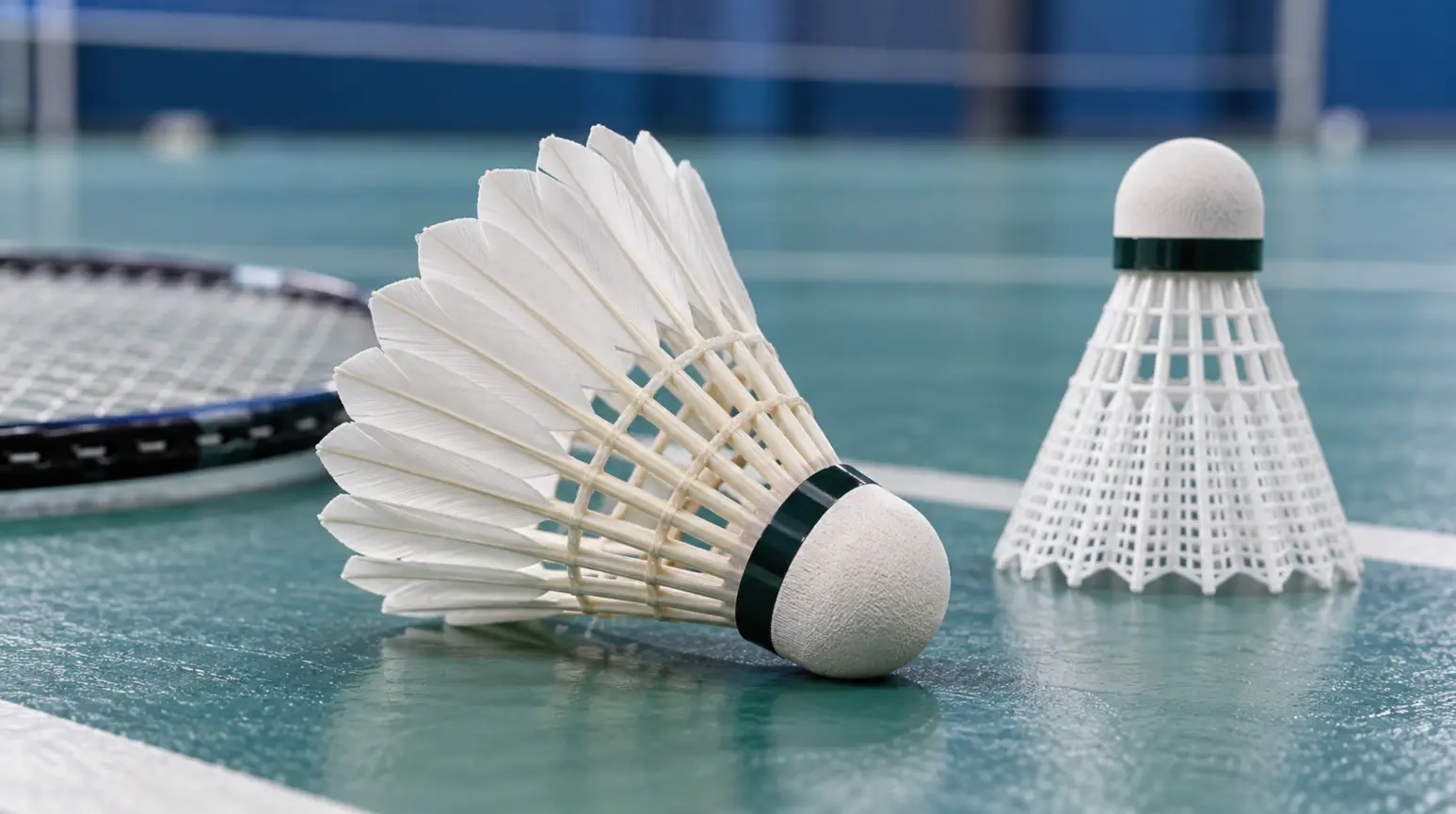
Yes. Law 2.2.1 specifies 16 feathers fixed into the base. Non-feathered synthetic shuttlecocks are covered separately, so the count does not describe every shuttle.

No. Receiving the ball directly from a throw-in is exempt from offside. A subsequent touch or pass by a team-mate can create a new offside situation.