Soil bacteria produce an earthy-smelling compound
EMBL-EBI
The institute identifies geosmin as a compound produced by Streptomyces soil bacteria and explains that it contributes to petrichor.
Based on: EMBL-EBI

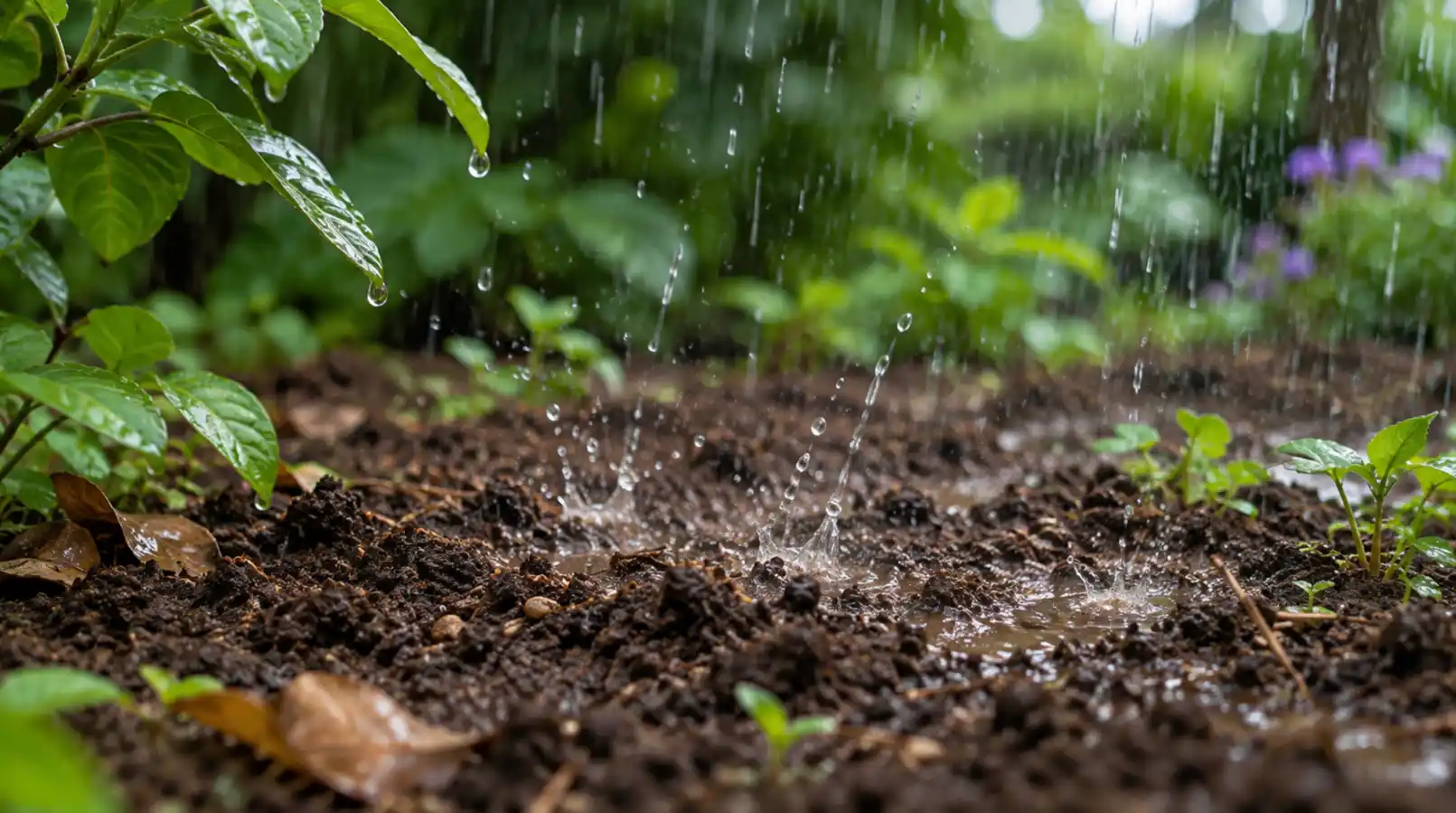
Yes. Part of the familiar earthy smell after rain comes from geosmin, a compound produced by soil bacteria. It contributes to the scent known as petrichor.
EMBL-EBI identifies Streptomyces bacteria as a source of geosmin. The American Chemical Society also explains its contribution to rain-associated smells. Separately, MIT experiments showed that drops hitting porous surfaces can release tiny airborne droplets, offering a mechanism that may carry scent compounds from soil into the air.
Bacteria are only part of the explanation. Compounds from plants also contribute to petrichor. The scent is therefore a mixture associated with rain interacting with its surroundings, rather than a single substance produced by the rain itself.
The earthy smell after rain has biological ingredients: bacterial geosmin and plant compounds both contribute.
EMBL-EBI
The institute identifies geosmin as a compound produced by Streptomyces soil bacteria and explains that it contributes to petrichor.
Based on: EMBL-EBI
American Chemical Society
The educational infographic identifies bacterial geosmin as a contributor to the smell associated with rain, alongside compounds originating from plants.
Based on: American Chemical Society
Massachusetts Institute of Technology
Experiments documented tiny bubbles bursting out of drops striking porous surfaces. The researchers proposed this aerosol-generating process as a mechanism that may disperse scent compounds from soil.
Based on: Massachusetts Institute of Technology
Was this check helpful?
Sign in required
Sign in required

Yes. Antarctica receives very little precipitation, especially inland. Its accumulated ice does not mean that large amounts of fresh snow fall each year.

Yes. A large cumulus cloud can contain over a million pounds of water droplets. That mass is spread through an enormous volume, not gathered into a solid object.
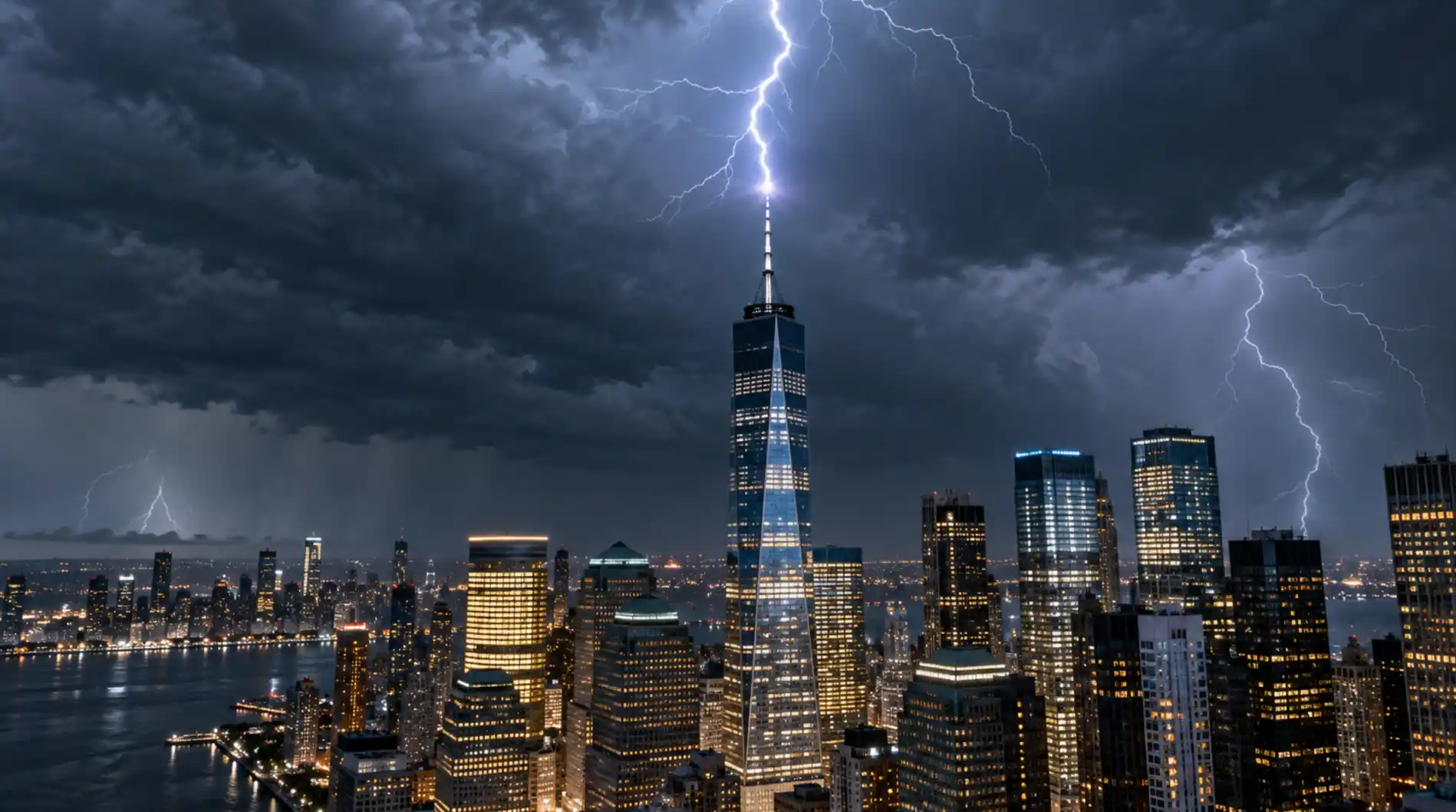
No. Lightning can strike the same location repeatedly. Tall structures can receive multiple strikes because their height helps electrical channels connect.