Low precipitation makes Antarctica a desert
NASA
NASA explicitly identifies Antarctica as a desert because of its low rain and snowfall, explaining that accumulated snow forms thick ice sheets over long periods.
Based on: NASA Space Place

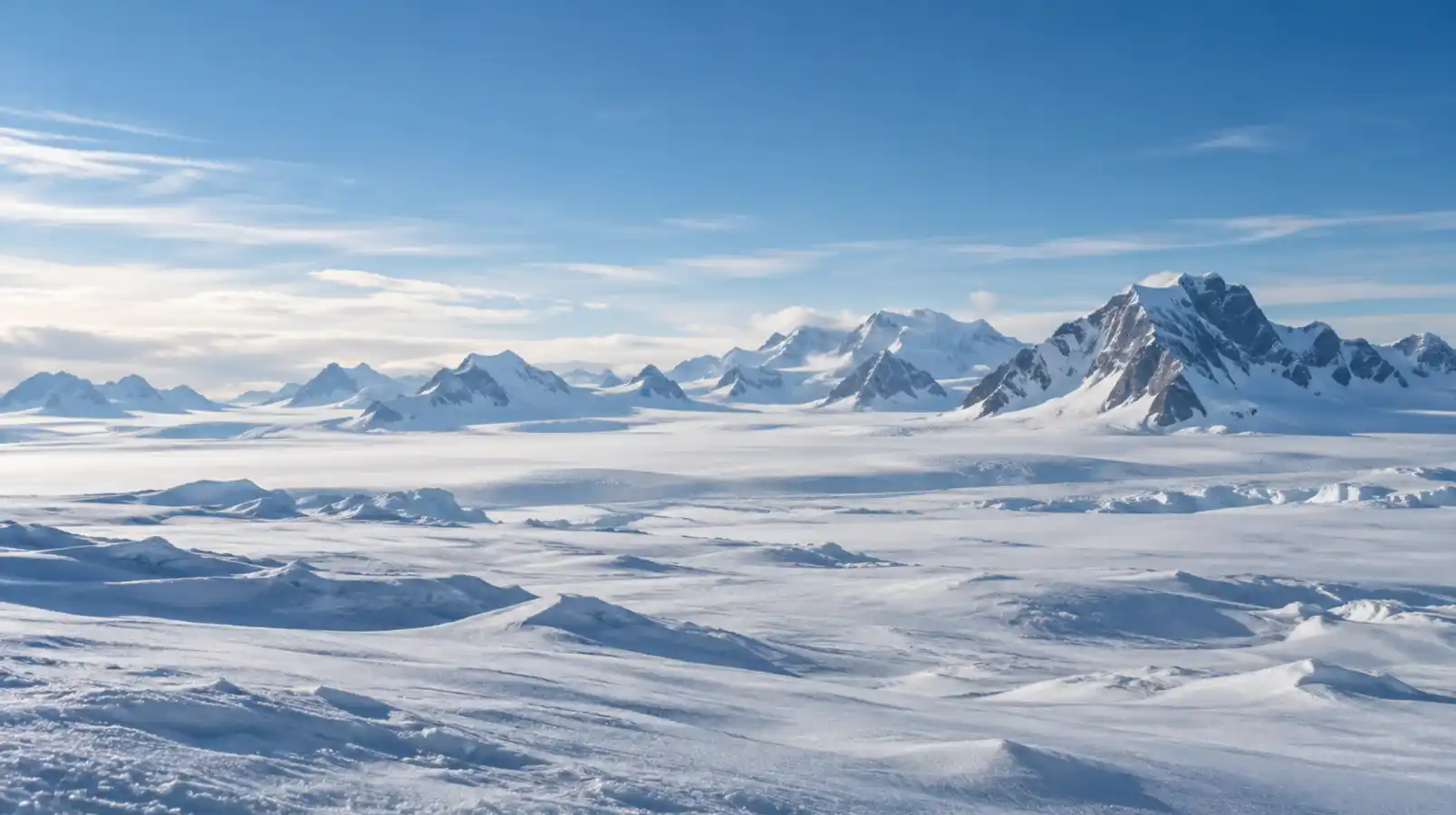
Yes. Antarctica is considered a polar desert because it receives very little precipitation. A desert does not have to be hot or covered in sand, and an extensive ice sheet does not rule out a dry climate.
NASA explains that snow can accumulate over long periods to form thick ice sheets despite low precipitation. The Australian Antarctic Program estimates annual snow accumulation equivalent to about 150 millimetres of water across the continent, with less than 50 millimetres over the elevated plateau.
Antarctica is not equally dry everywhere. Some coastal areas receive much more snowfall than the interior. The desert description captures its broad climate, particularly inland, rather than implying that every location receives the same amount of precipitation.
Desert conditions concern how little precipitation arrives, not how much old ice is already present.
NASA
NASA explicitly identifies Antarctica as a desert because of its low rain and snowfall, explaining that accumulated snow forms thick ice sheets over long periods.
Based on: NASA Space Place
Australian Antarctic Program
The program estimates continent-wide annual snow accumulation equivalent to about 150 millimetres of water, falling below 50 millimetres on the elevated plateau.
Based on: Australian Antarctic Program
Australian Antarctic Program
Coastal accumulation generally exceeds 200 millimetres of water equivalent annually and exceeds 1,000 millimetres in one area near the Bellingshausen Sea. The continent is not uniformly dry.
Based on: Australian Antarctic Program
Was this check helpful?
Sign in required
Sign in required
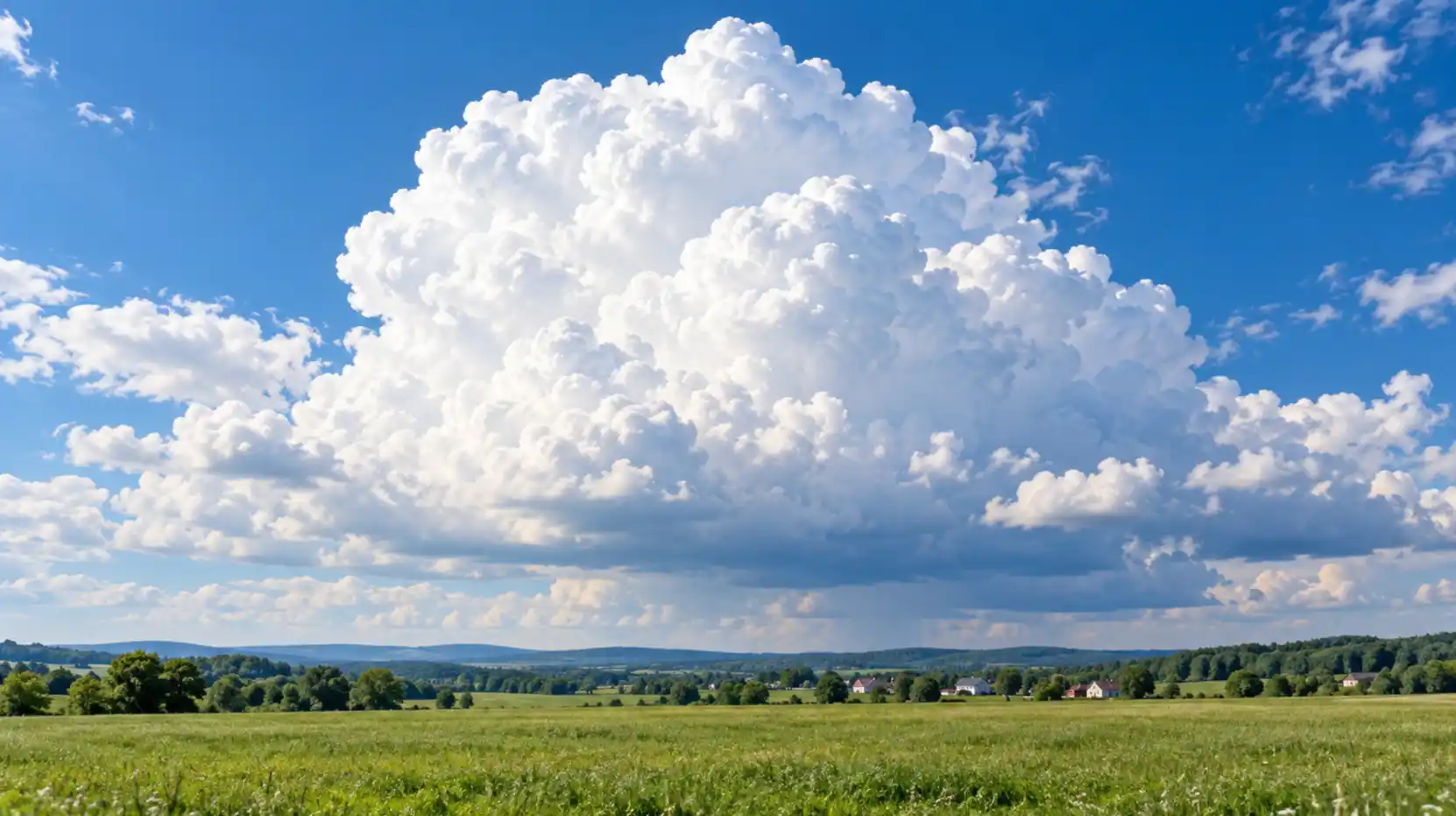
Yes. A large cumulus cloud can contain over a million pounds of water droplets. That mass is spread through an enormous volume, not gathered into a solid object.
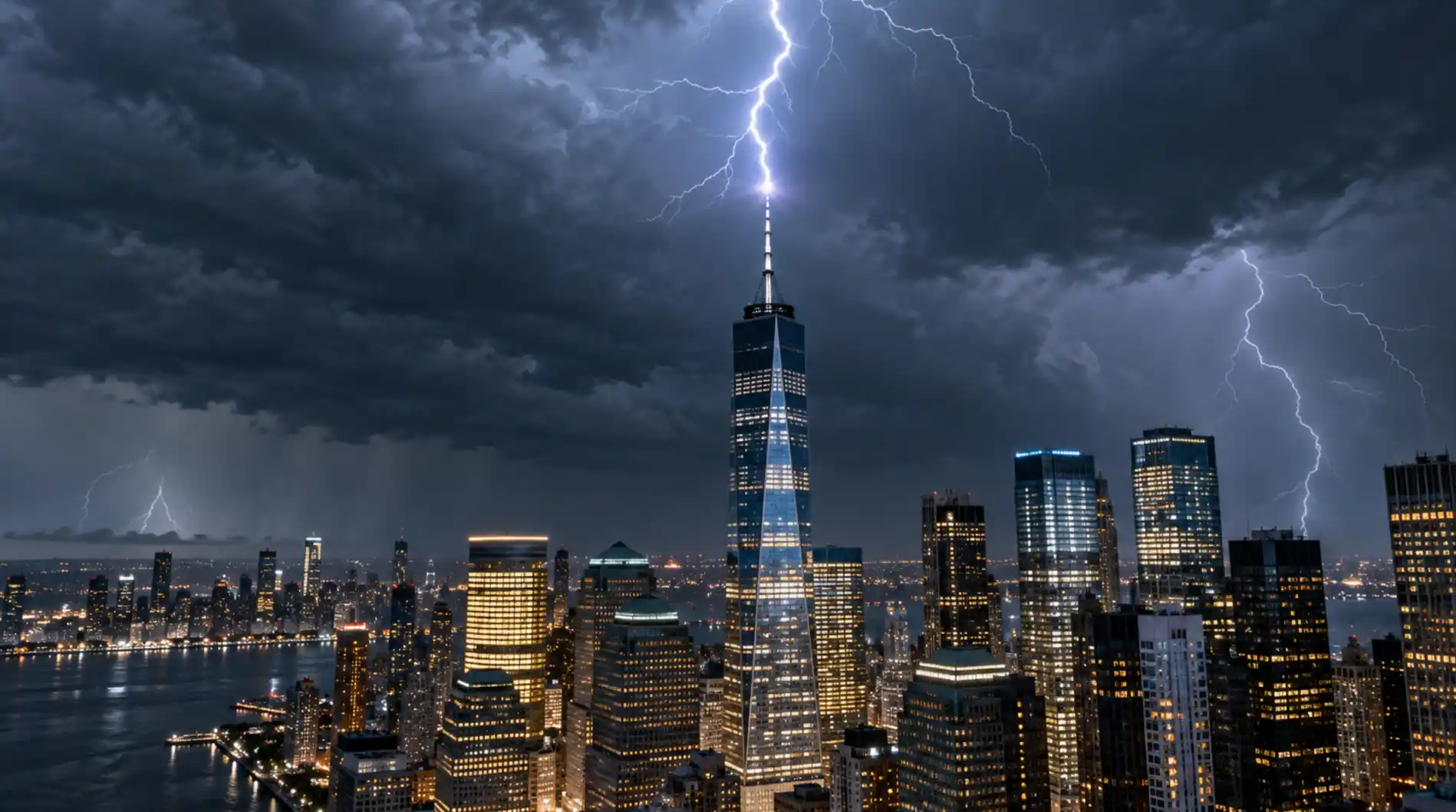
No. Lightning can strike the same location repeatedly. Tall structures can receive multiple strikes because their height helps electrical channels connect.
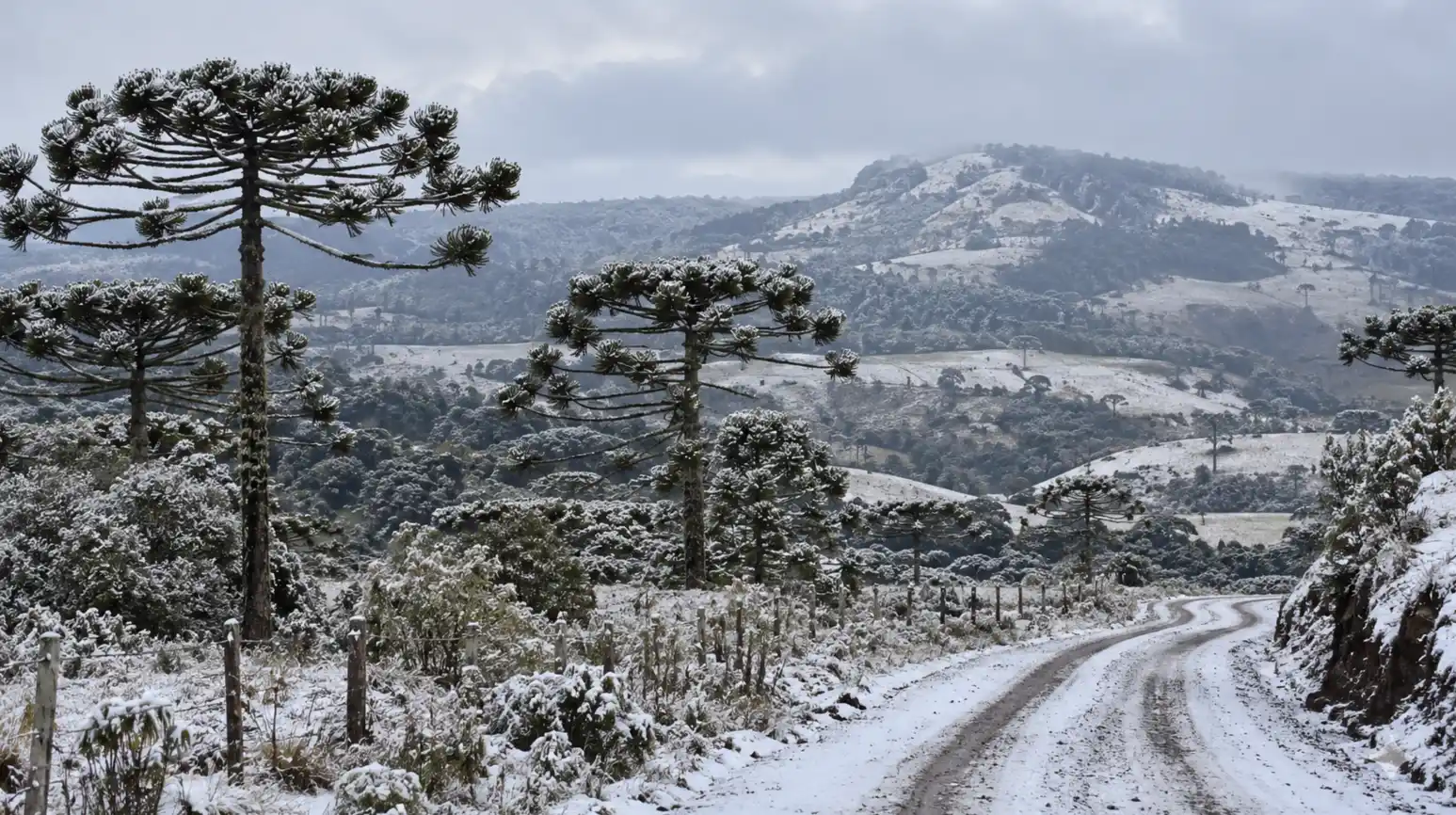
Yes. Snowfall is documented in southern Brazil, including the mountains of Rio Grande do Sul and Santa Catarina during the July 2021 cold wave.