Article 32 expressly permits a state waiver
United Nations
Article 32 allows the sending state to waive a diplomatic agent's immunity from jurisdiction and requires that waiver to be express.
Based on: United Nations

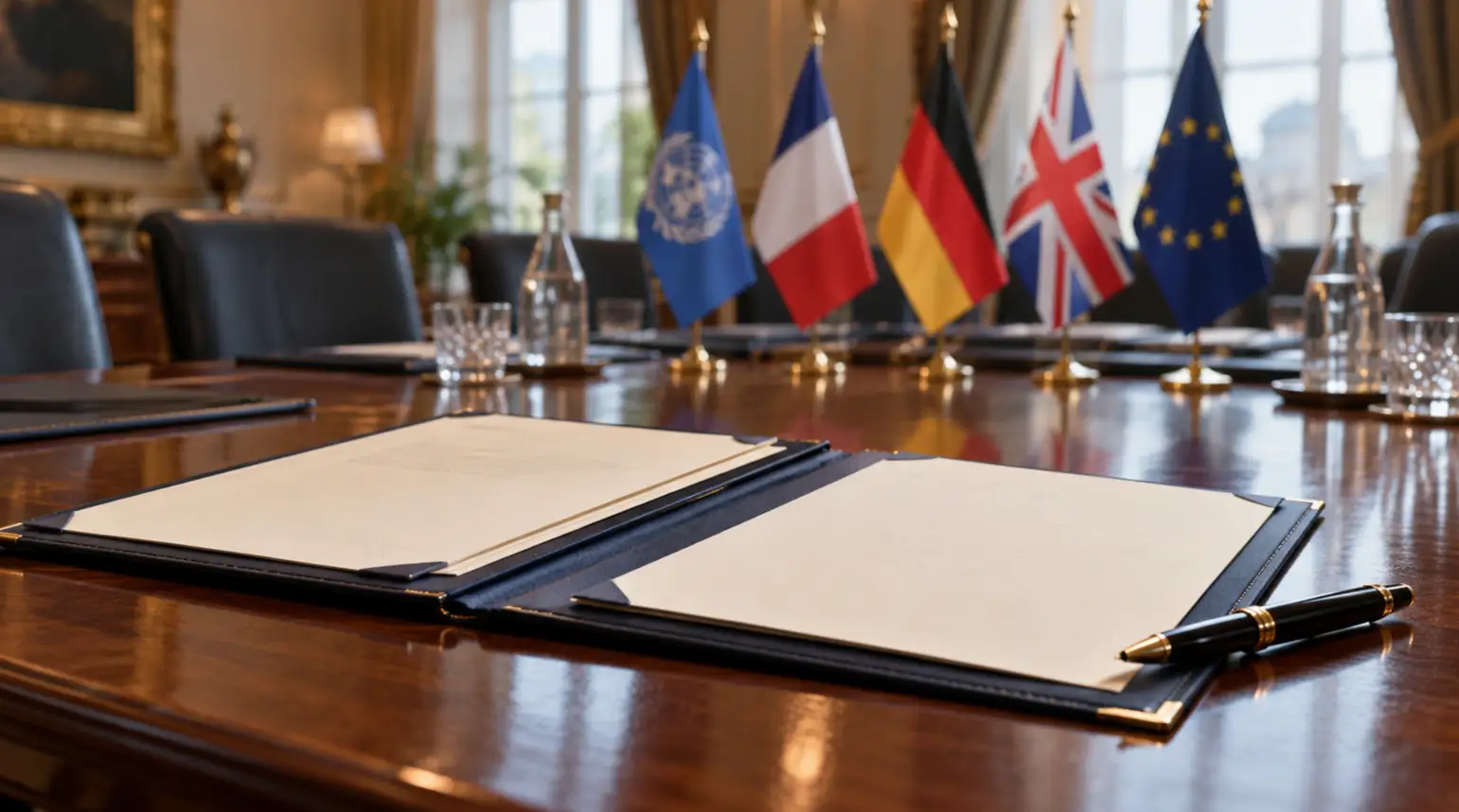
Yes. Under Article 32 of the Vienna Convention on Diplomatic Relations, the country sending a diplomat can expressly waive that diplomat's immunity from the receiving country's jurisdiction.
The treaty assigns this power to the sending state. UK Crown Prosecution Service guidance confirms the distinction: a diplomat cannot personally waive their own immunity, and a waiver must come from the sending state.
The scope of the waiver matters. Article 32 specifies that waiving immunity for civil or administrative proceedings does not automatically waive immunity from enforcement of the resulting judgment. That requires a separate waiver.
The sending state can waive diplomatic immunity from jurisdiction. The diplomat's personal consent is not a substitute for that waiver.
United Nations
Article 32 allows the sending state to waive a diplomatic agent's immunity from jurisdiction and requires that waiver to be express.
Based on: United Nations
Crown Prosecution Service
UK prosecution guidance confirms that waivers can only be granted by the sending state, not by the individual diplomat.
Based on: Crown Prosecution Service
United Nations
Article 32 distinguishes a waiver for civil or administrative proceedings from a waiver permitting enforcement of the judgment.
Based on: United Nations
Was this check helpful?
Sign in required
Sign in required
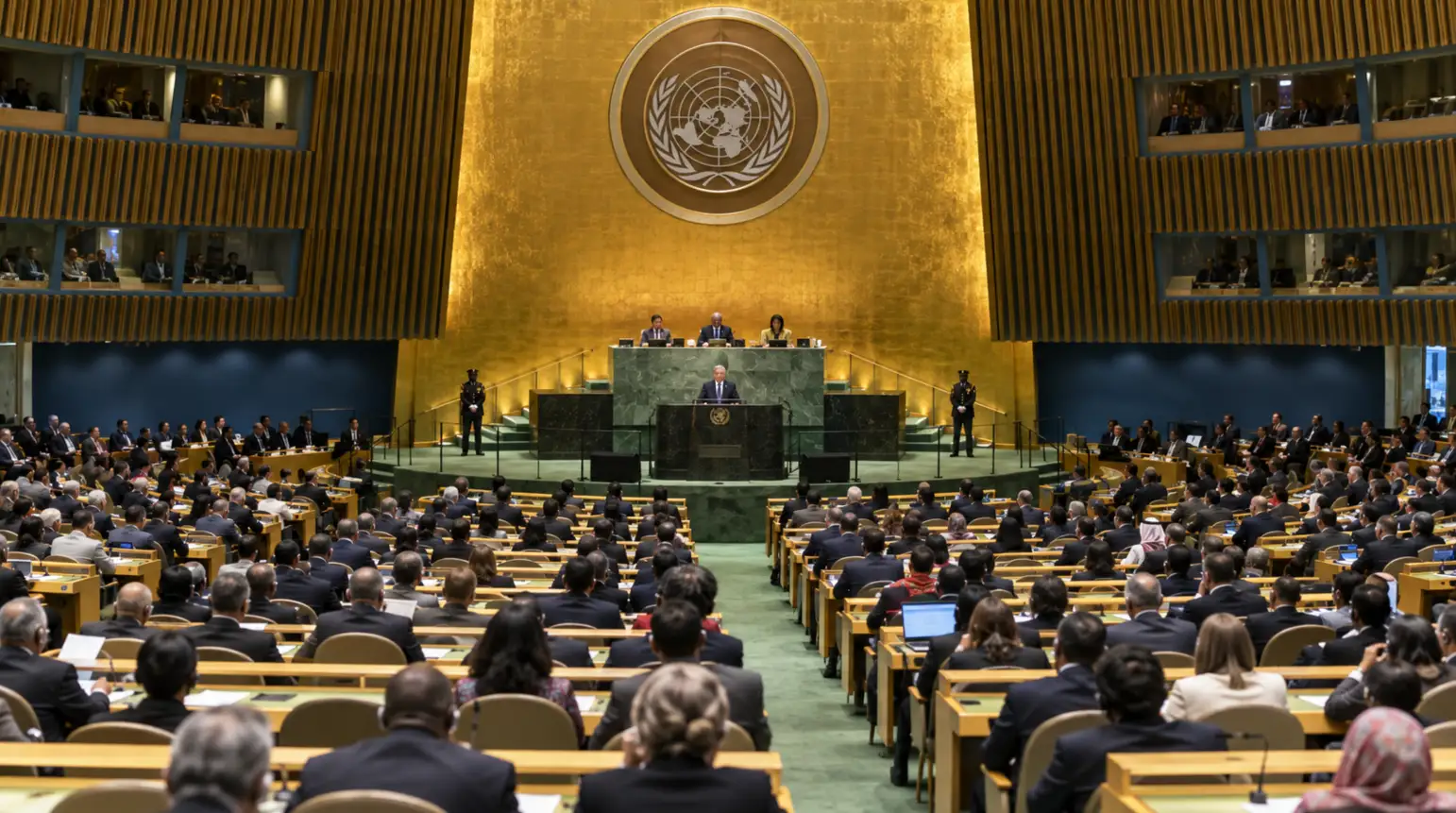
Yes. Each member state has one vote under Article 18 of the UN Charter. Population does not increase its voting weight, although voting rights can be restricted.
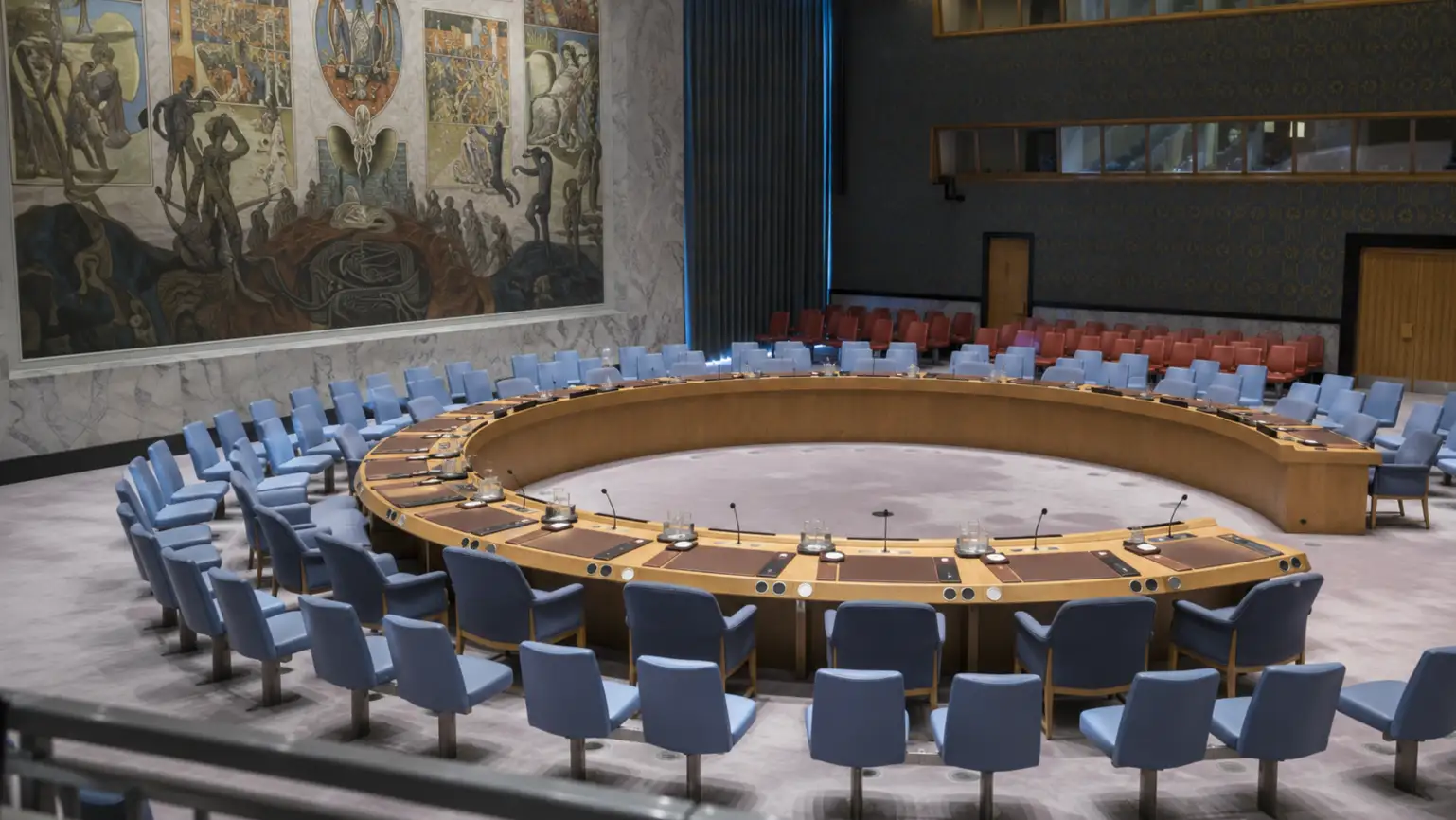
No. An abstention is not a veto. A substantive resolution can pass with at least nine votes in favour and no negative vote from a permanent member.
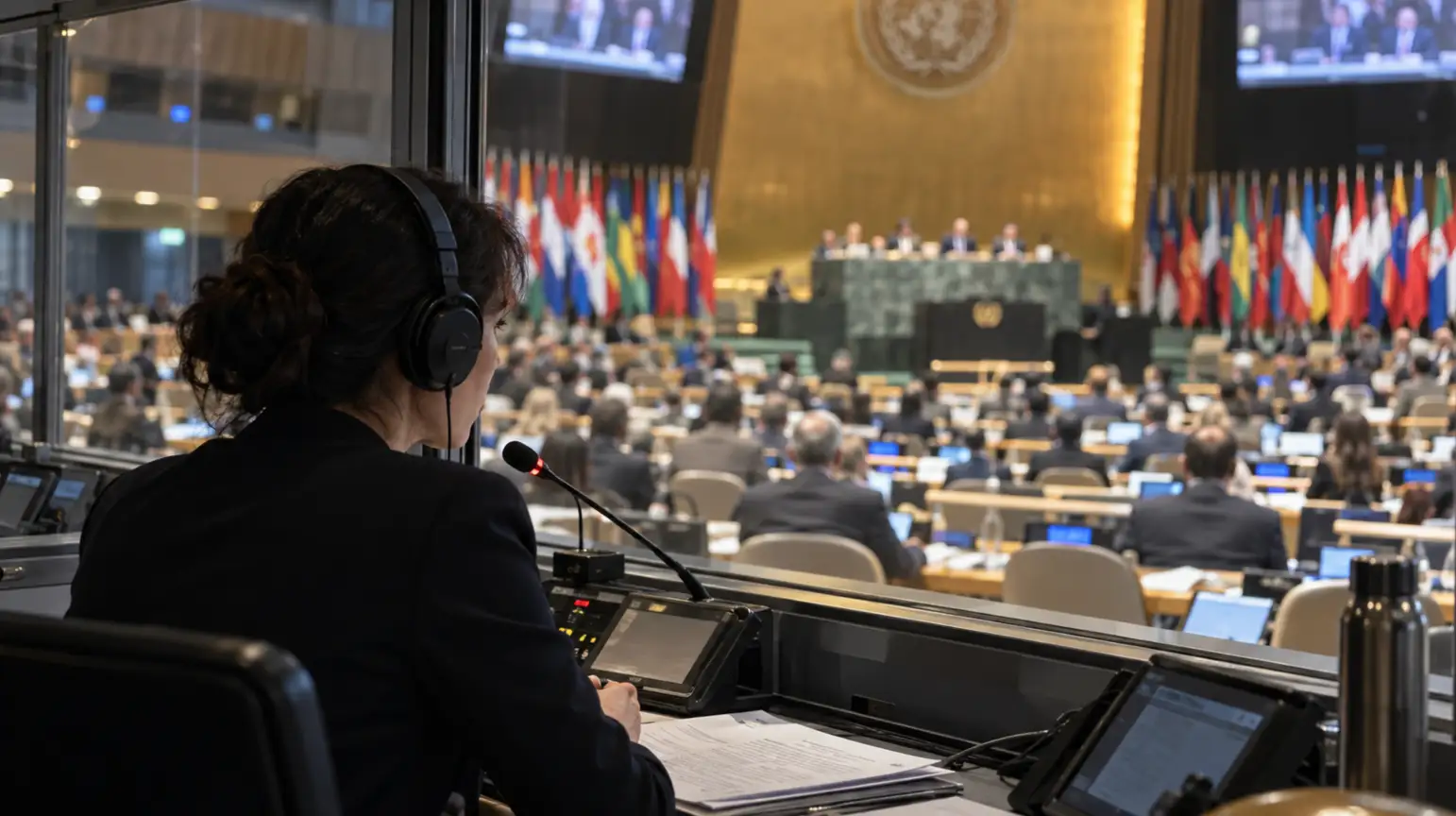
Yes. A delegation must supply interpretation or a written translation into an official UN language, allowing interpretation into the others.