The Charter allocates one vote per member
United Nations
Article 18(1) establishes one vote for each General Assembly member, without weighting votes by population.
Based on: United Nations

Published
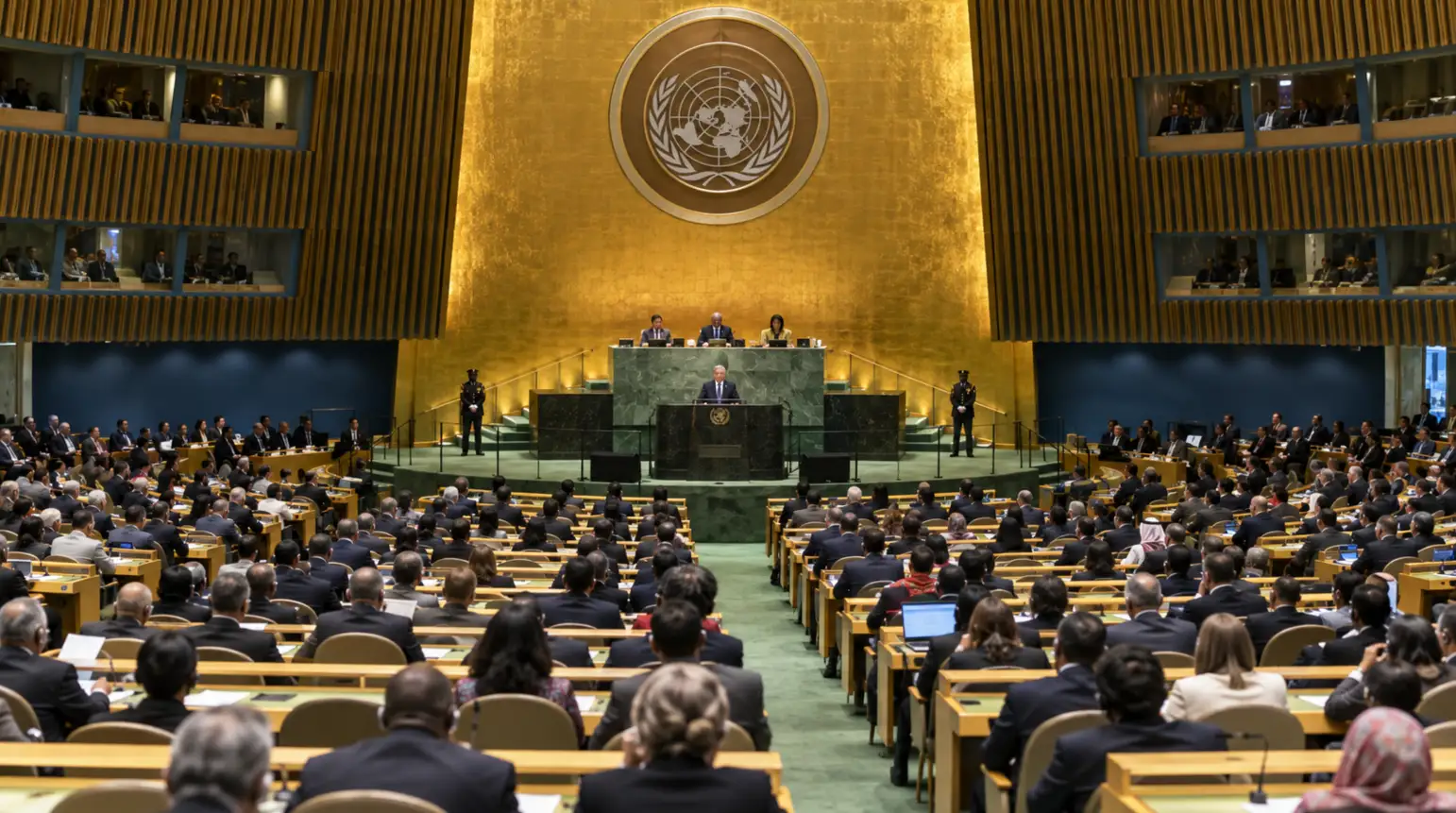
Yes. Votes in the UN General Assembly are allocated by member state, not by population. A more populous country does not receive additional votes.
Article 18 of the UN Charter establishes one vote per member. The UK House of Commons Library independently explains this equal-vote system. Important questions require a two-thirds majority of members present and voting; other questions generally require a simple majority.
Allocation does not guarantee that every member can vote at every moment. Under Article 19, a member can lose its vote when unpaid contributions reach the specified threshold. The Assembly may permit voting if non-payment results from circumstances beyond that member's control.
General Assembly votes are not population-weighted. The one-vote allocation is distinct from a member's ability to exercise its voting rights.
United Nations
Article 18(1) establishes one vote for each General Assembly member, without weighting votes by population.
Based on: United Nations
House of Commons Library
The briefing explains that each state has an equal vote and describes the different majorities required for Assembly decisions.
Based on: House of Commons Library
United Nations
Article 19 removes a member's vote when arrears equal or exceed contributions due for the preceding two full years, while allowing an exception for conditions beyond its control.
Based on: United Nations
Was this check helpful?
Sign in required
Sign in required
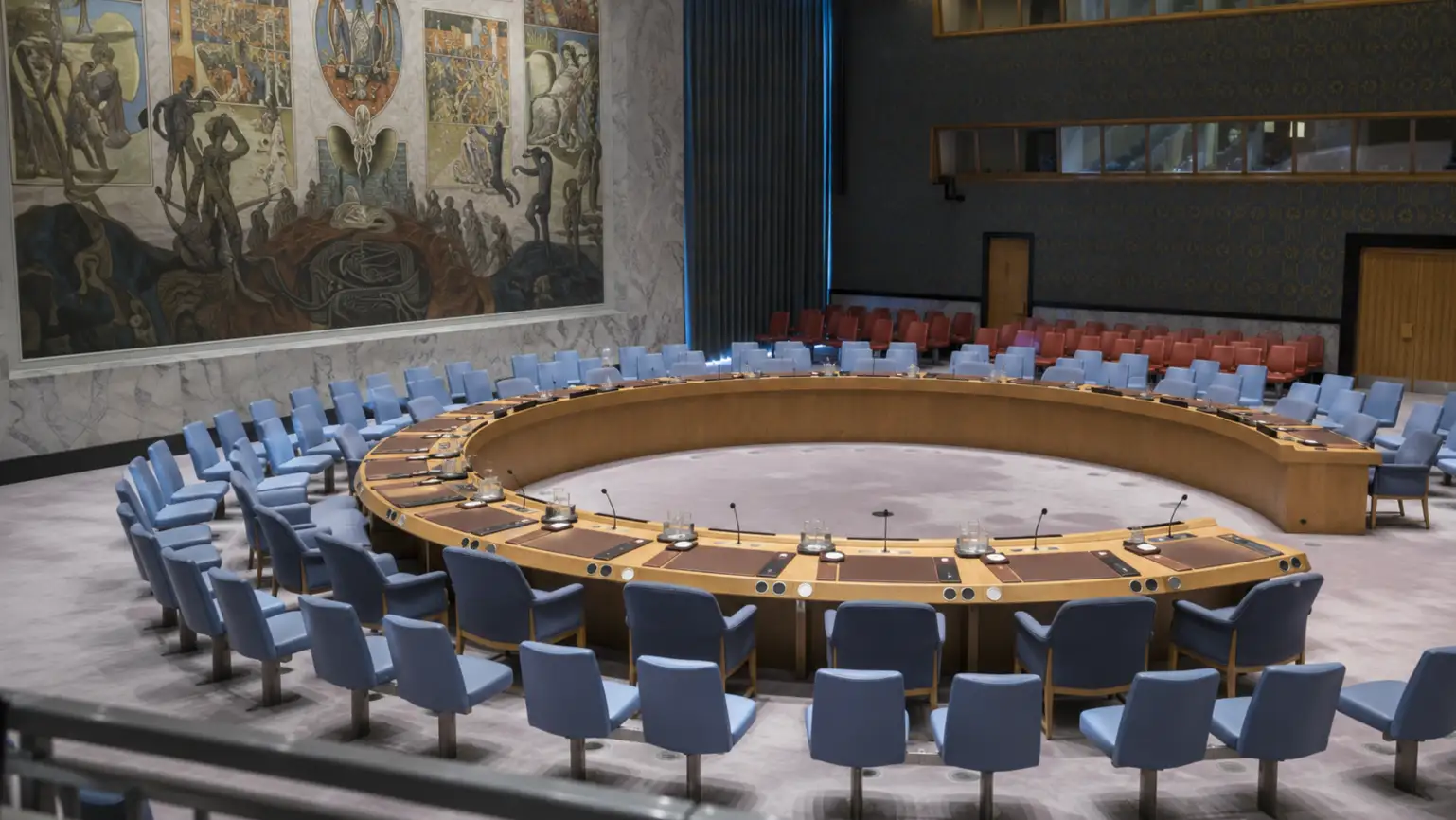
No. An abstention is not a veto. A substantive resolution can pass with at least nine votes in favour and no negative vote from a permanent member.

Yes. A delegation must supply interpretation or a written translation into an official UN language, allowing interpretation into the others.

No. Only states can be parties in the ICJ's contentious cases. Its separate advisory procedure is available to authorized UN bodies, not individual applicants.