Botanical terminology separates peanuts from true nuts
Purdue University Arboretum
Purdue's botanical glossary defines a true nut by its fruit structure and explicitly identifies peanuts as legumes instead.
Based on: Purdue University Arboretum

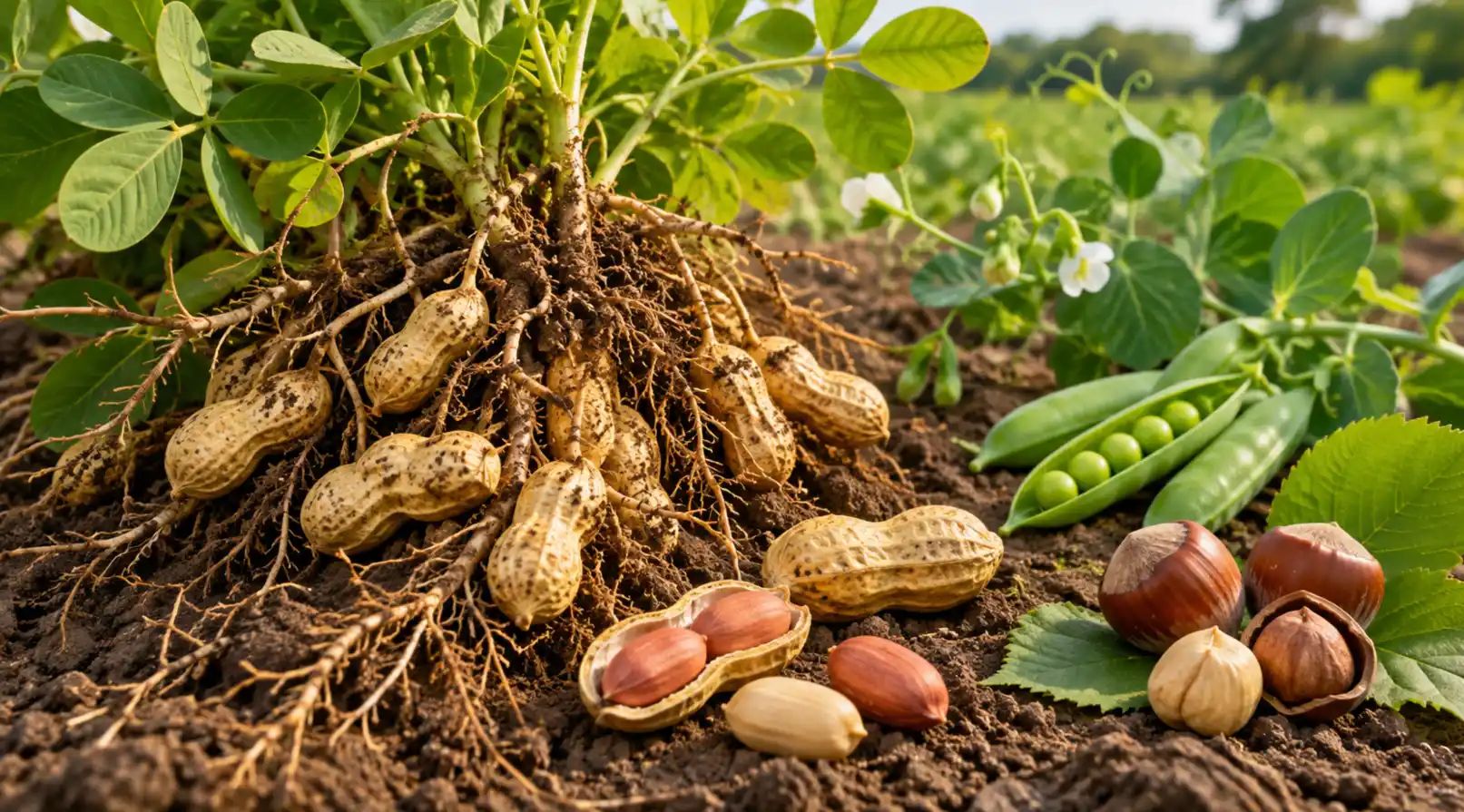
No. In botanical terms, peanuts are legumes rather than true nuts. They belong in the same broad group as peas and beans, despite their everyday name.
Purdue University's botanical glossary explicitly distinguishes peanuts from true nuts such as hazelnuts and chestnuts. Oregon State University's Linus Pauling Institute independently identifies peanuts as legumes and notes their nutritional similarities to tree nuts.
The distinction depends on what the word means in context. Botany classifies fruits by their structure, whereas food discussions may group peanuts with nuts because of their nutritional characteristics. That everyday grouping does not change their botanical identity.
A food's everyday name is not always its botanical category. Peanuts are legumes even when discussed alongside nuts.
Purdue University Arboretum
Purdue's botanical glossary defines a true nut by its fruit structure and explicitly identifies peanuts as legumes instead.
Based on: Purdue University Arboretum
Linus Pauling Institute, Oregon State University
The institute states that peanuts are legumes like peas and beans, despite their name.
Based on: Linus Pauling Institute, Oregon State University
Linus Pauling Institute, Oregon State University
The institute explains that peanuts are nutritionally similar to tree nuts and that studies may examine them together or separately.
Based on: Linus Pauling Institute, Oregon State University · Purdue University Arboretum
Was this check helpful?
Sign in required
Sign in required
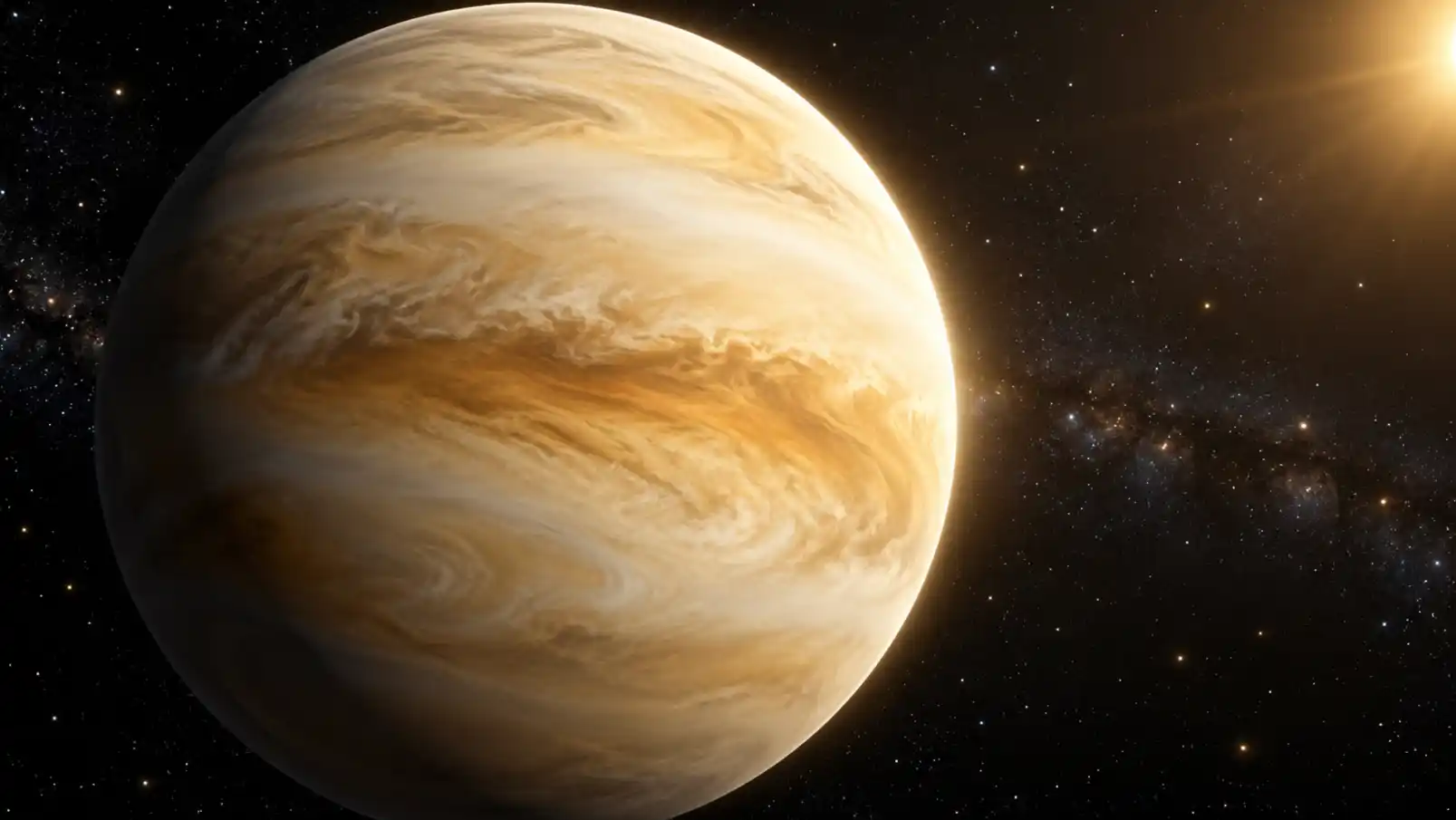
Yes. Venus rotates once in about 243 Earth days and orbits the Sun in about 225. However, its noon-to-noon solar day lasts about 117 Earth days.

Yes. Botanical categories depend on how fruits develop from flowers. Bananas qualify as berries; strawberries have a different structure.
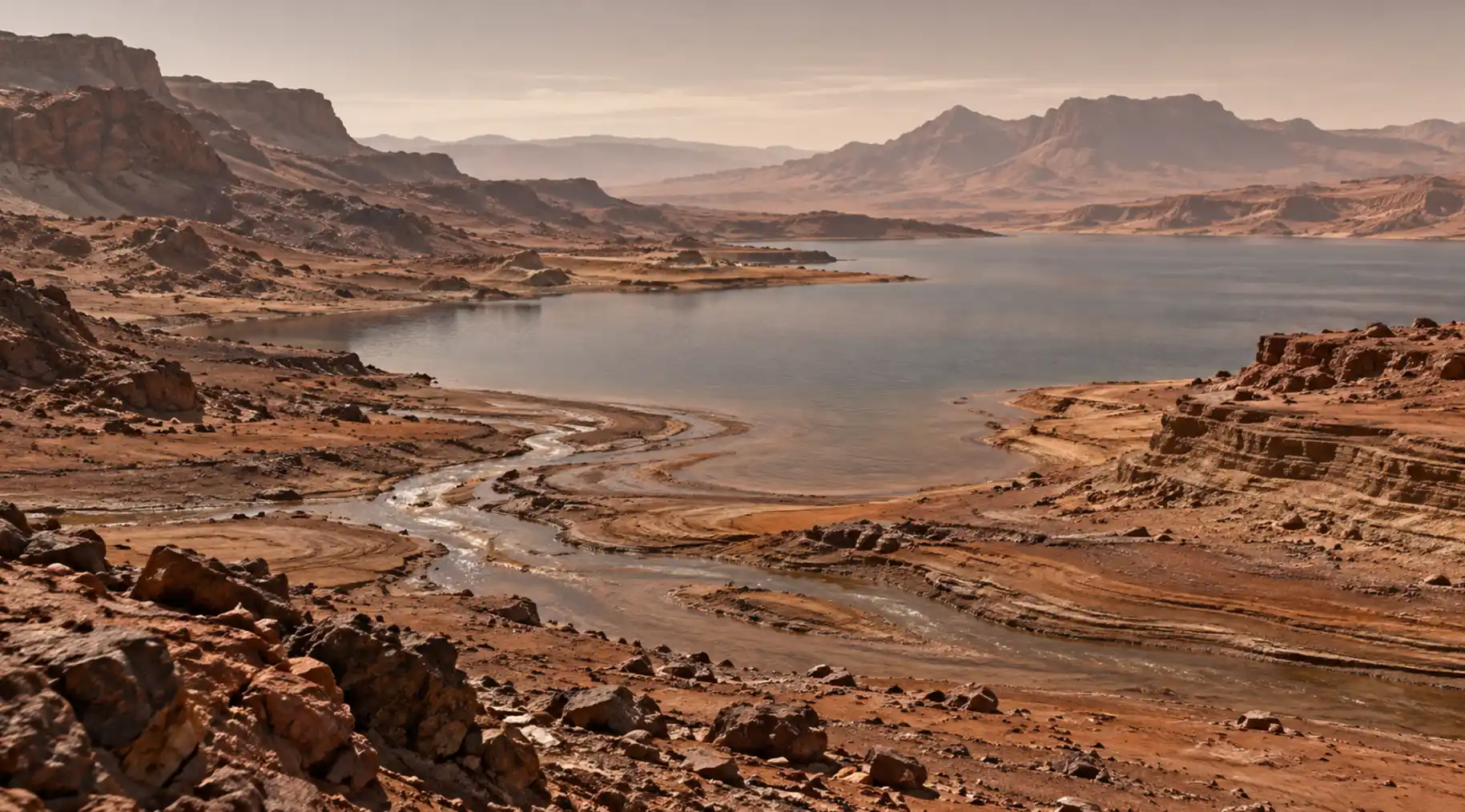
Ancient Mars had rivers, lakes and water-shaped landscapes. That supports a limited Earth-like comparison, but not a confirmed reconstruction of an Earth-like planet.