The rotation period exceeds the orbital period
NASA
NASA lists a sidereal rotation period with a magnitude of 5,832.6 hours, approximately 243 Earth days, and an orbital period of 224.701 Earth days.
Based on: NASA

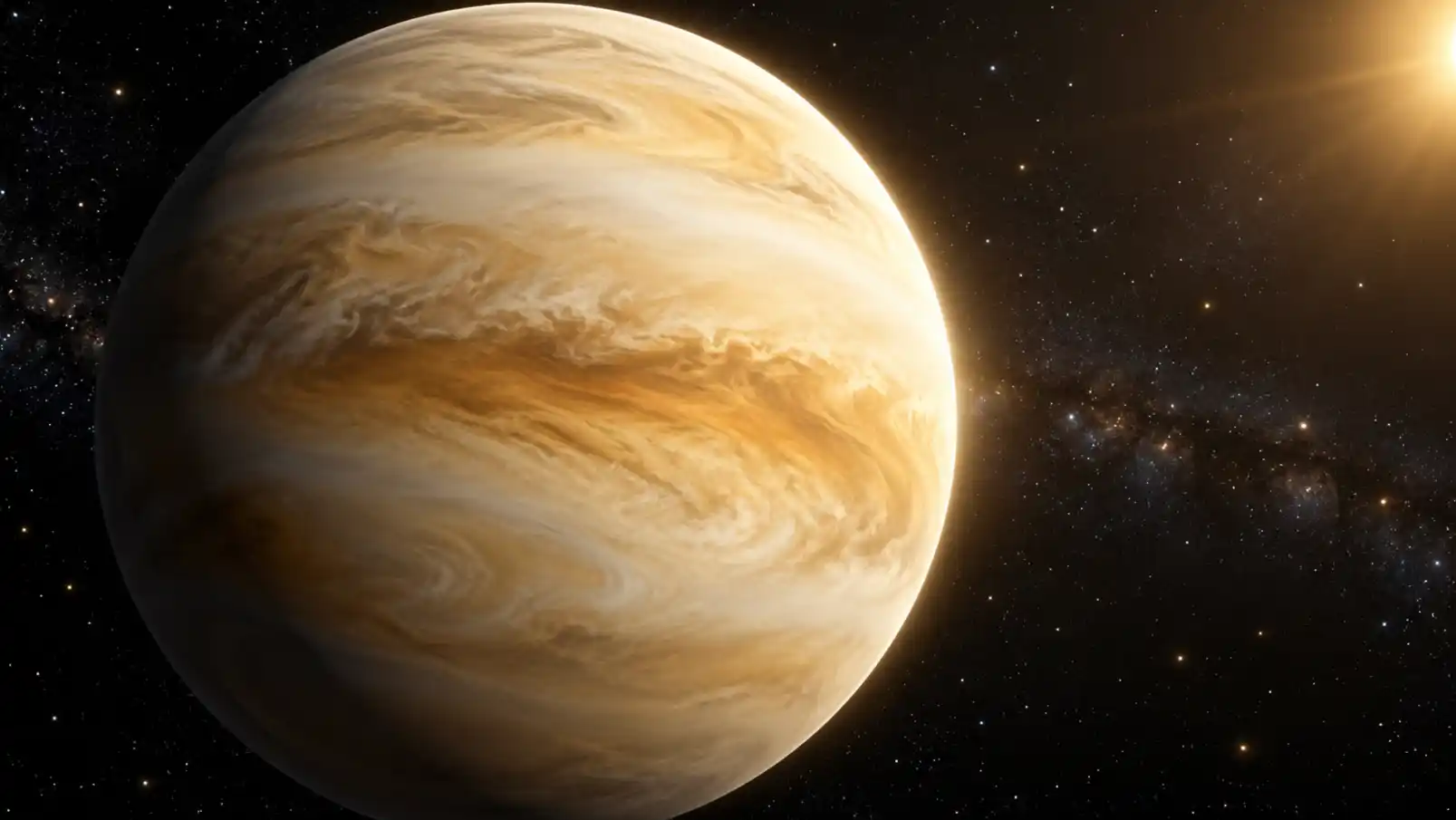
Yes. Venus completes one rotation relative to distant stars in about 243 Earth days, while one orbit around the Sun takes about 225 Earth days. Its rotation therefore lasts longer than its year.
NASA's Venus Fact Sheet lists these rotation and orbital periods separately. The European Space Agency independently explains the same comparison and notes that Venus rotates in the opposite direction to Earth.
The distinction is what counts as a day. One full rotation is a sidereal day. A solar day, measured from one noon to the next, also depends on orbital motion and lasts about 117 Earth days on Venus—shorter than its year.
Venus finishes an orbit before completing one rotation. Its noon-to-noon day is a different, shorter interval.
NASA
NASA lists a sidereal rotation period with a magnitude of 5,832.6 hours, approximately 243 Earth days, and an orbital period of 224.701 Earth days.
Based on: NASA
European Space Agency
ESA describes a 243-Earth-day rotation and a roughly 225-Earth-day year, while distinguishing the approximately 117-Earth-day interval between successive noons.
Based on: European Space Agency
Was this check helpful?
Sign in required
Sign in required

Yes. Botanical categories depend on how fruits develop from flowers. Bananas qualify as berries; strawberries have a different structure.

Ancient Mars had rivers, lakes and water-shaped landscapes. That supports a limited Earth-like comparison, but not a confirmed reconstruction of an Earth-like planet.
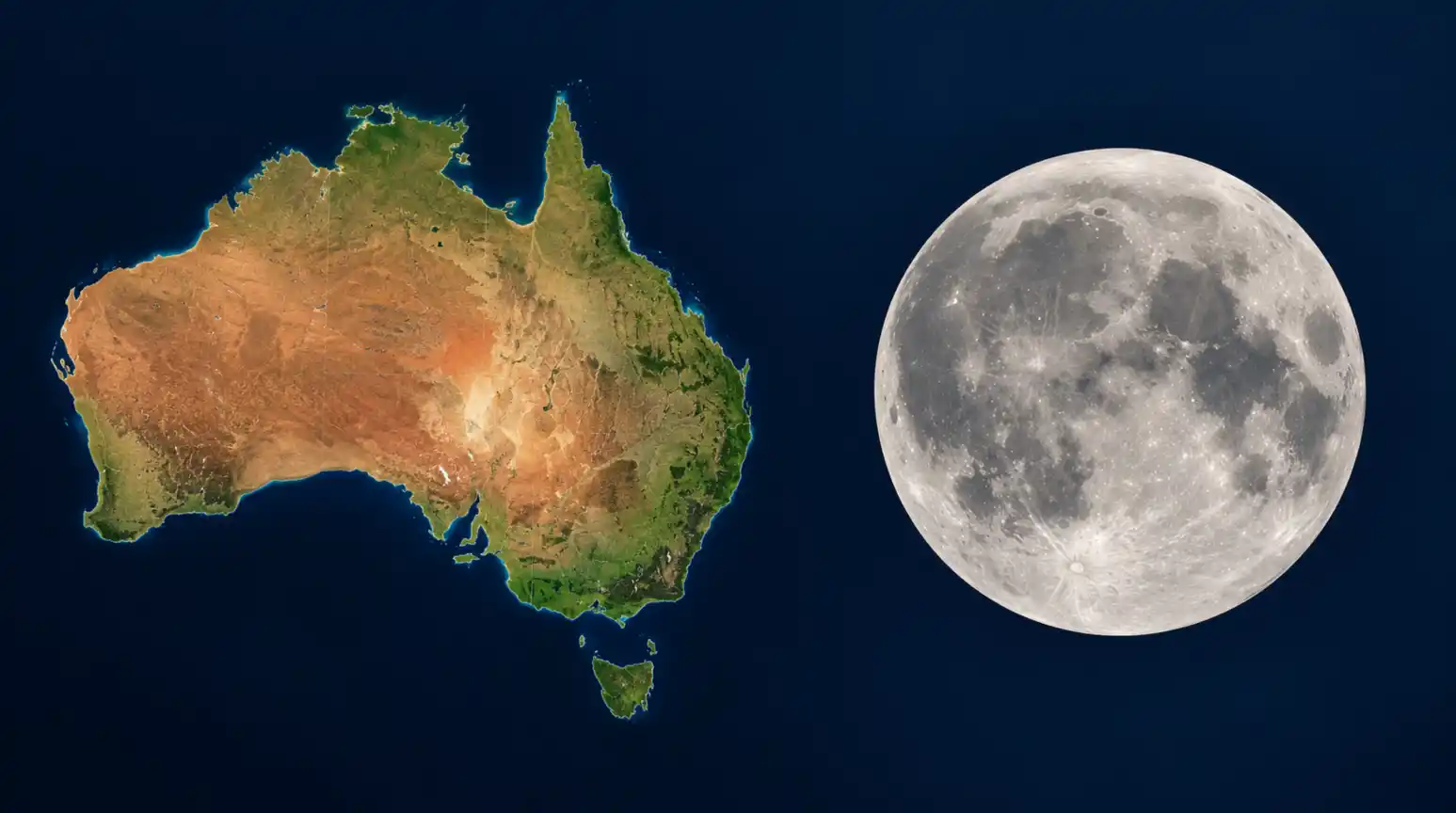
Yes. Australia spans almost 4,000 km from east to west, while the Moon is about 3,480 km across. The comparison concerns width, not total surface area.