Ancient Mars had familiar water-shaped landforms
NASA
Ancient river networks, deltas, lakebeds and water-formed minerals support a limited comparison with watery landscapes on Earth, rather than identical planetary appearance.
Based on: NASA

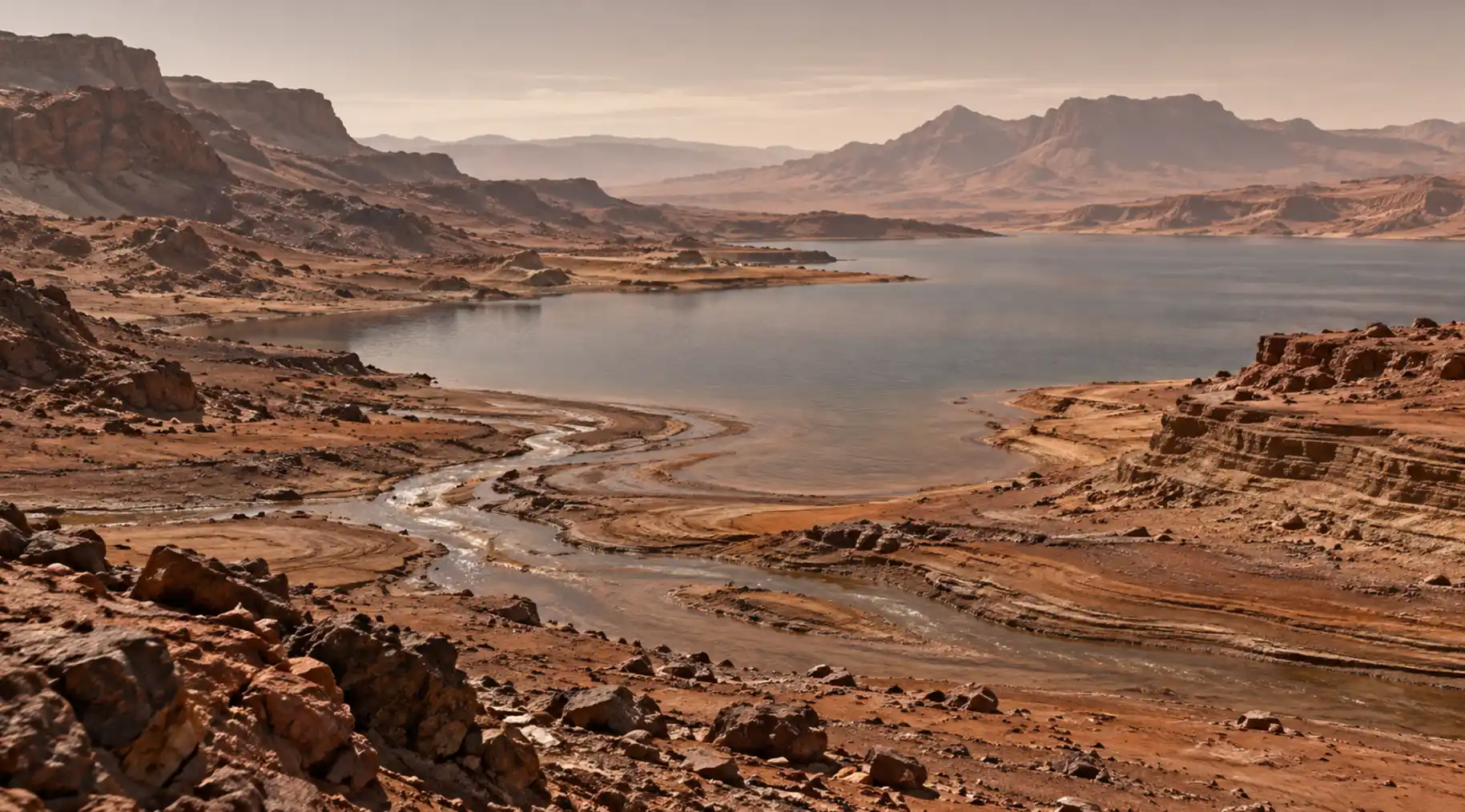
Ancient Mars resembled Earth in some important landscape features: it had flowing water, lakes and river deltas. However, saying it simply looked like Earth overstates what scientists can reconstruct about the planet as a whole.
NASA describes ancient river valleys, deltas, lakebeds and minerals formed in liquid water. Independently, ESA's Mars Express observations identify landscapes carved by flowing water and glaciers. Curiosity's findings also indicate repeated lake environments at Gale Crater more than three billion years ago.
These findings establish a wetter past, not an exact Earth-like appearance or a continuously warm global climate. NASA research also points to possible ice-covered lakes and alternating environmental conditions. Images of a blue, Earth-like ancient Mars are reconstructions whose details depend on assumptions, rather than direct records of its appearance.
Ancient Mars had some Earth-like watery landscapes, but its overall appearance and climate remain uncertain.
NASA
Ancient river networks, deltas, lakebeds and water-formed minerals support a limited comparison with watery landscapes on Earth, rather than identical planetary appearance.
Based on: NASA
European Space Agency
Mars Express observations reveal valleys carved by flowing water and glaciers, along with flood-related terrain. These establish specific landscape similarities with Earth.
Based on: European Space Agency
NASA Curiosity mission
Curiosity findings document ancient lake environments, while mineral evidence suggests that some lakes may have been ice-covered. The duration and evolution of warm and cold conditions remain uncertain.
Based on: NASA
Was this check helpful?
Sign in required
Sign in required
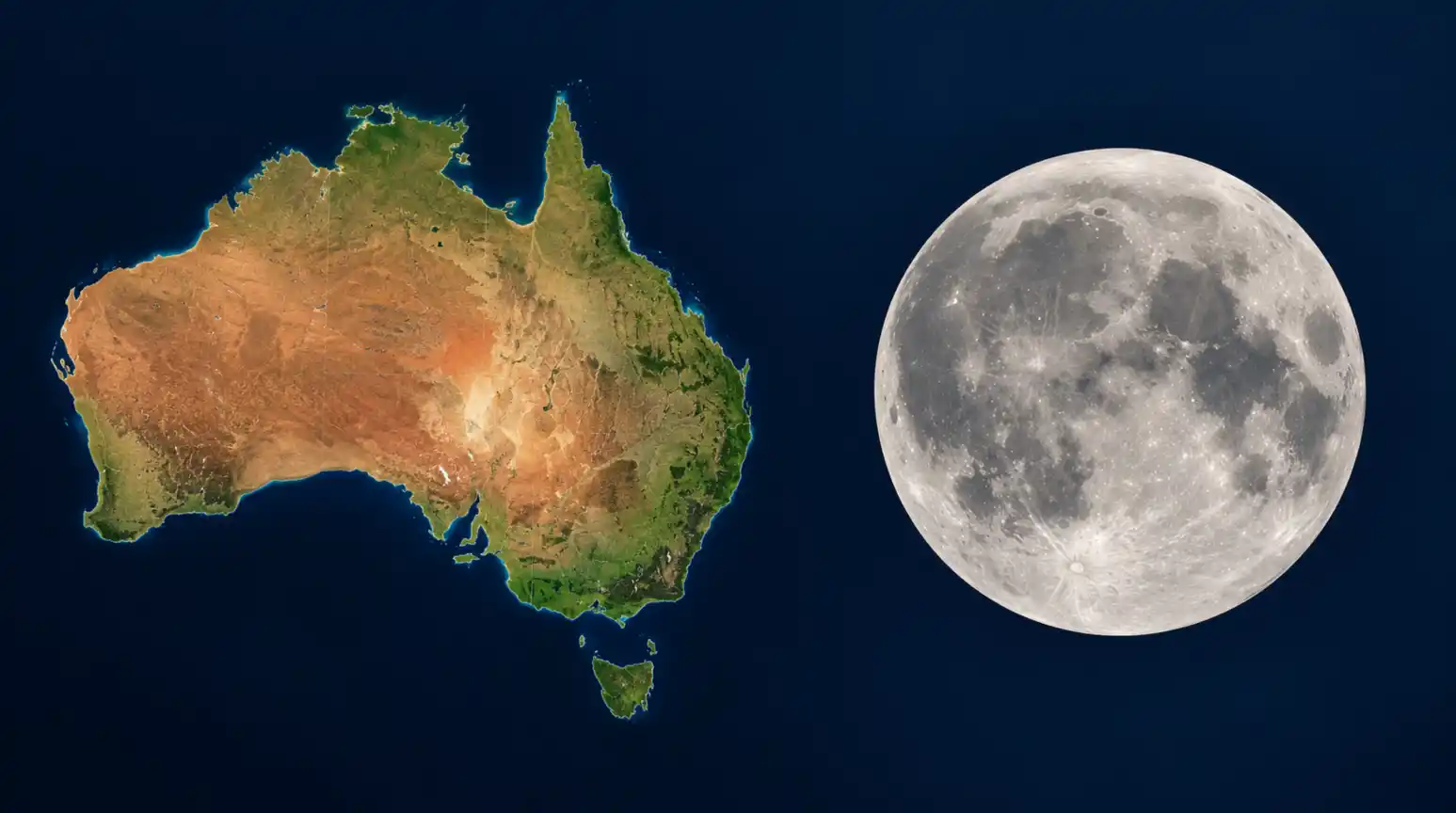
Yes. Australia spans almost 4,000 km from east to west, while the Moon is about 3,480 km across. The comparison concerns width, not total surface area.
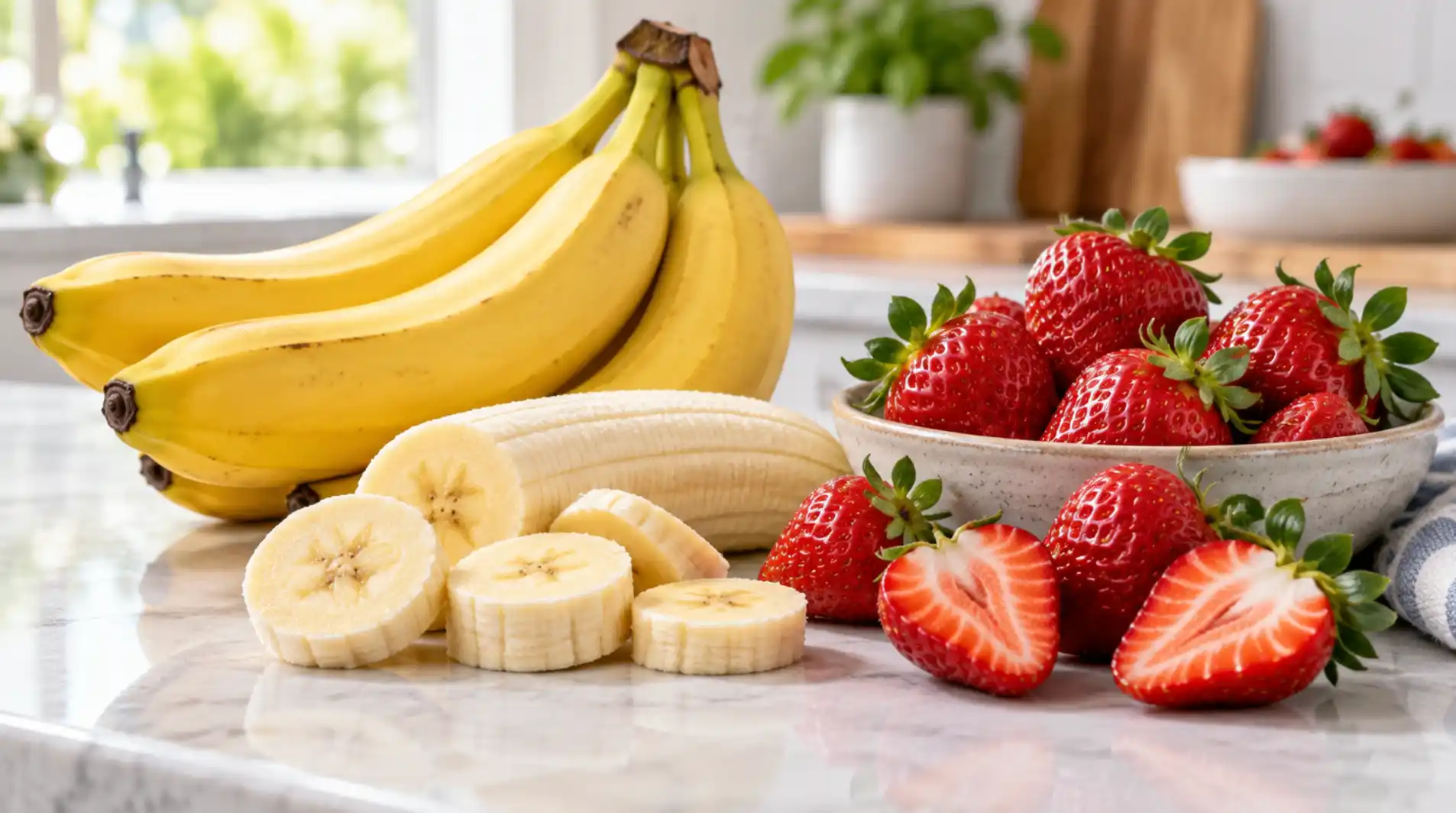
Yes. Botanical categories depend on how fruits develop from flowers. Bananas qualify as berries; strawberries have a different structure.
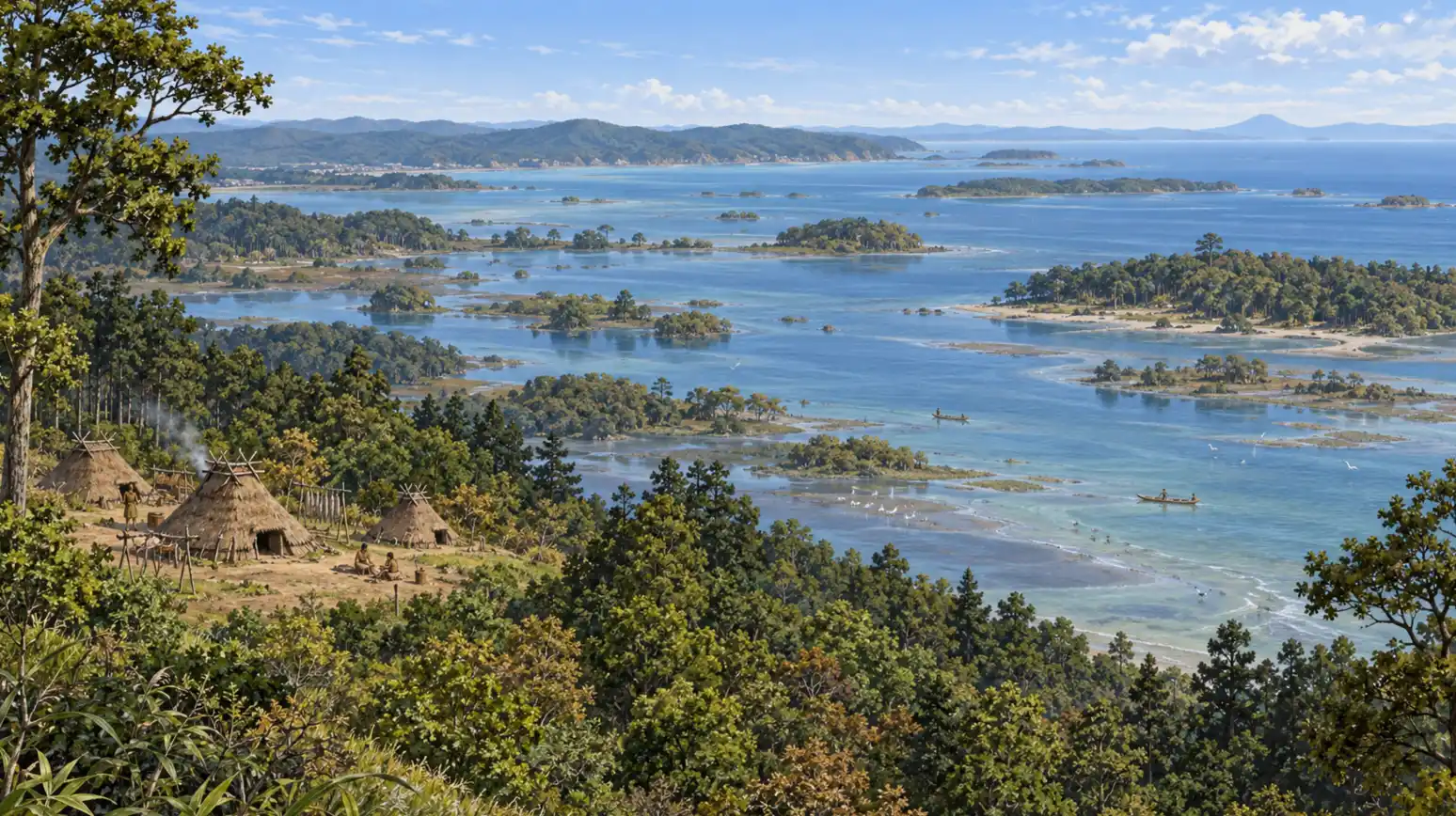
Parts of present-day Tokyo were submerged during a prehistoric rise in sea level, but describing the entire Tokyo area as underwater is misleading.