The reported change is a per-decade rate
Nature Reviews Earth & Environment
The review states that the Arctic melt season lengthened by about 7.4 days per decade during 1979–2024.
Based on: Nature Reviews Earth & Environment

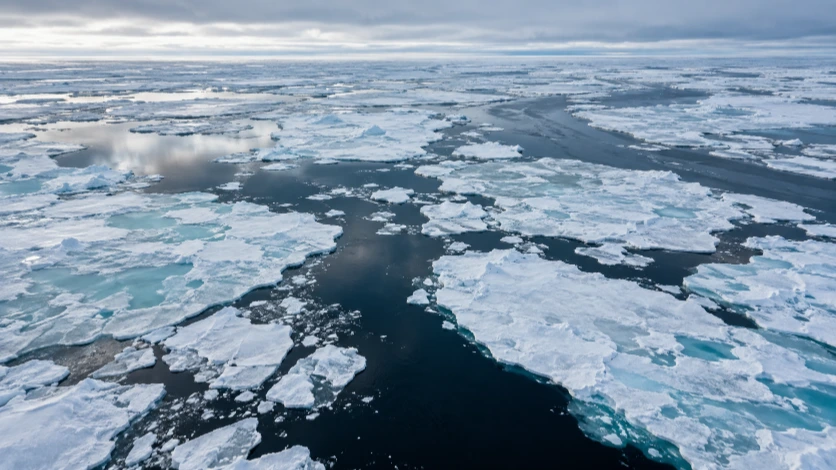
No. The paper says the Arctic sea-ice melt season lengthened by about 7.4 days per decade from 1979 to 2024, not by about one week over the entire period.
Over roughly four and a half decades, that rate implies an increase of about 33 days. A separate open-access study published in April estimated a nearly 40-day increase since 1979, driven mainly by later autumn freeze-up.
A University of Washington Q&A described the change as about 7.5 days since 1979, apparently omitting “per decade.” Recent melt-season length has also been highly variable and roughly stable since 2010, but at a much longer level than in the early record.
The roughly one-week figure is a per-decade rate, not the total change since 1979. Across the full period, the increase is closer to a month.
Nature Reviews Earth & Environment
The review states that the Arctic melt season lengthened by about 7.4 days per decade during 1979–2024.
Based on: Nature Reviews Earth & Environment
Communications Earth & Environment
A separate satellite-based analysis estimates that the Arctic sea-ice melt season lengthened by nearly 40 days since 1979.
Based on: Communications Earth & Environment
University of Washington
The university Q&A says the melt season became about 7.5 days longer since 1979, wording that differs materially from the review’s per-decade rate.
Based on: University of Washington
Was this check helpful?
Sign in required
Sign in required
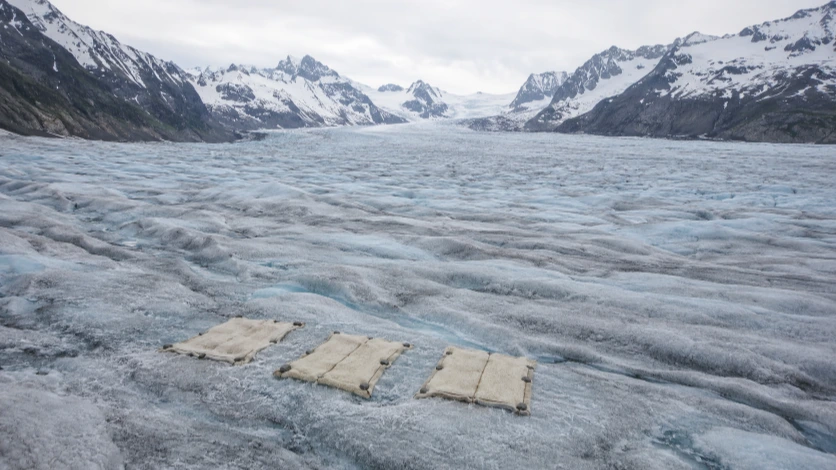
They can slow melting beneath small covered areas, but early results do not show they can stop glacier retreat at a meaningful scale.

Yes. A global assessment finds mass bleaching events now recur about every five to six years, shortening reef recovery windows.
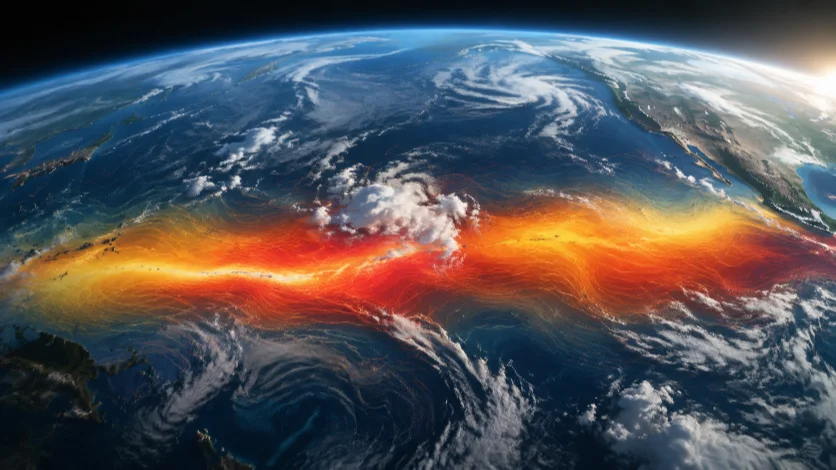
It is exceptionally strong and may set a record, but the event is still intensifying and has not reached its forecast peak.