Ending a session is different from ending a Parliament
UK Parliament
The MPs' Guide defines prorogation as the formal end of a session and distinguishes it from dissolution, the formal end of a Parliament.
Based on: UK Parliament

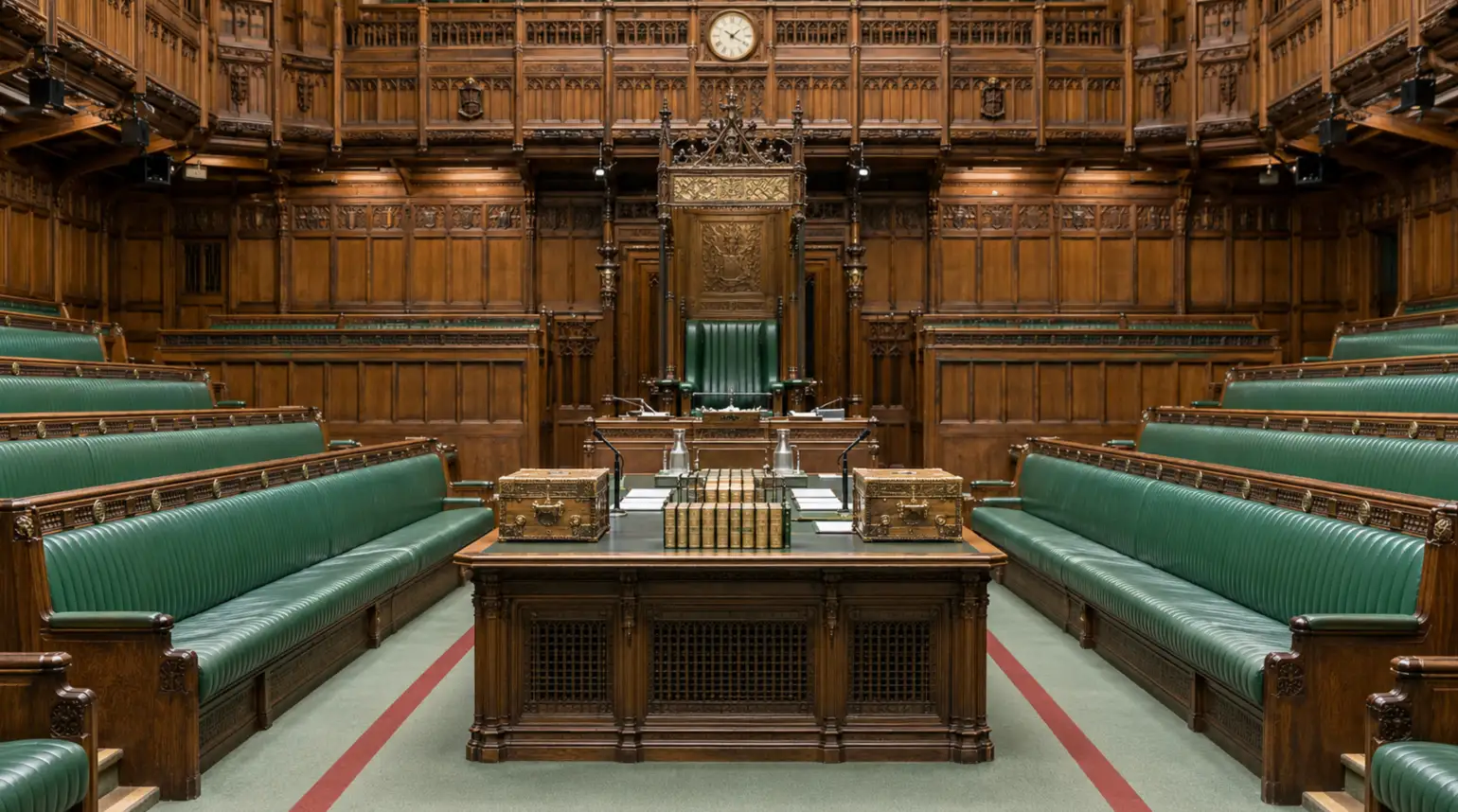
No. Prorogation ends a session of the UK Parliament, but MPs remain in office and can continue their constituency work. It does not make their seats vacant.
Parliament's procedural guide distinguishes the end of a session from dissolution, which ends a Parliament. The Institute for Government independently explains that MPs retain their seats during prorogation but lose them at dissolution.
Keeping their seats does not mean parliamentary business continues normally. During prorogation, committees do not meet and parliamentary questions cannot be tabled. A pause between sessions and the end of a Parliament are different events.
MPs keep their seats during prorogation. Dissolution is the separate event that makes Commons seats vacant.
UK Parliament
The MPs' Guide defines prorogation as the formal end of a session and distinguishes it from dissolution, the formal end of a Parliament.
Based on: UK Parliament
Institute for Government
The explainer explicitly states that MPs continue to hold their seats and undertake constituency work during prorogation, unlike dissolution.
Based on: Institute for Government
Was this check helpful?
Sign in required
Sign in required
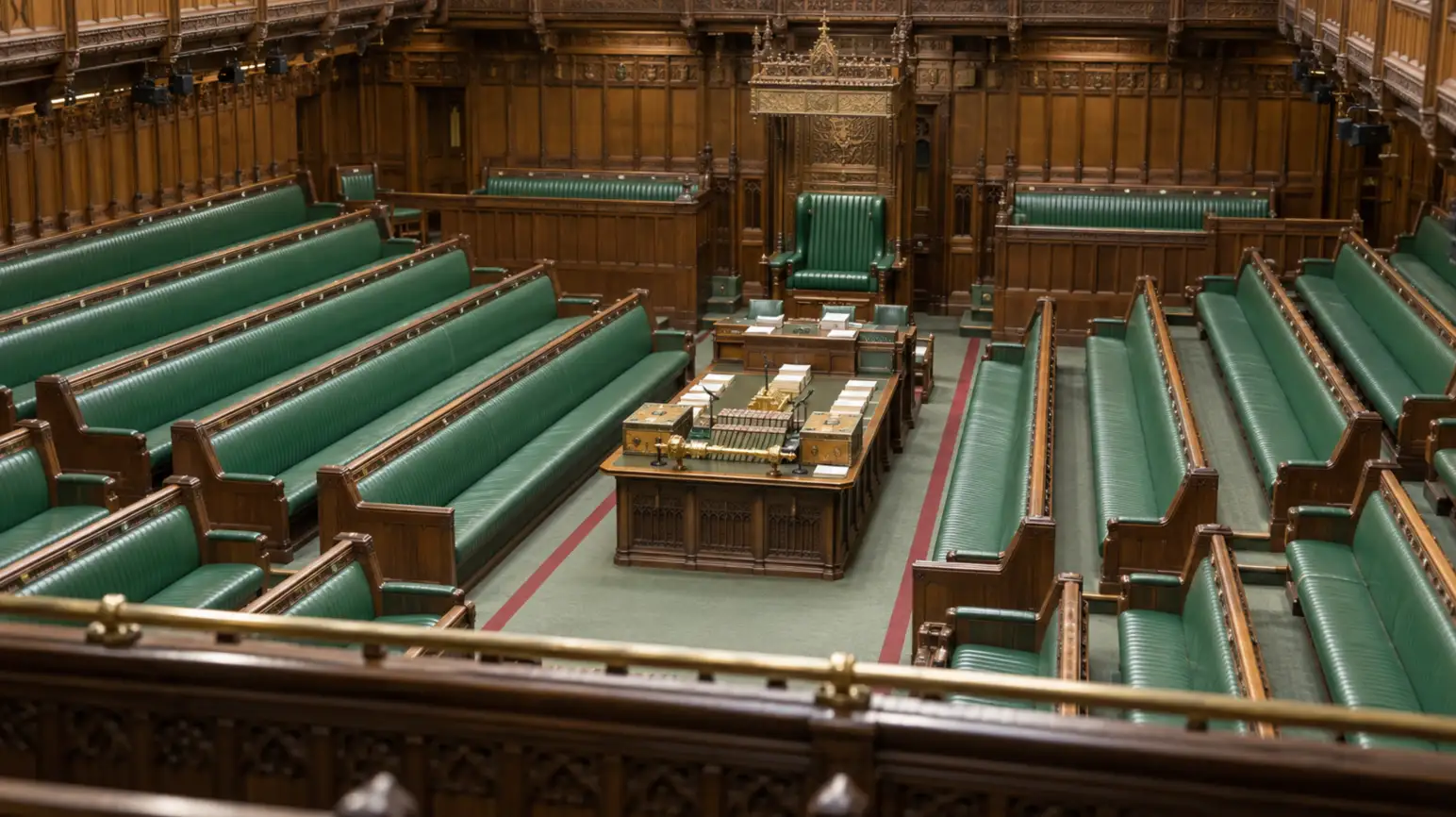
No. Prorogation ends a parliamentary session. Dissolution ends a Parliament and is followed by a general election.
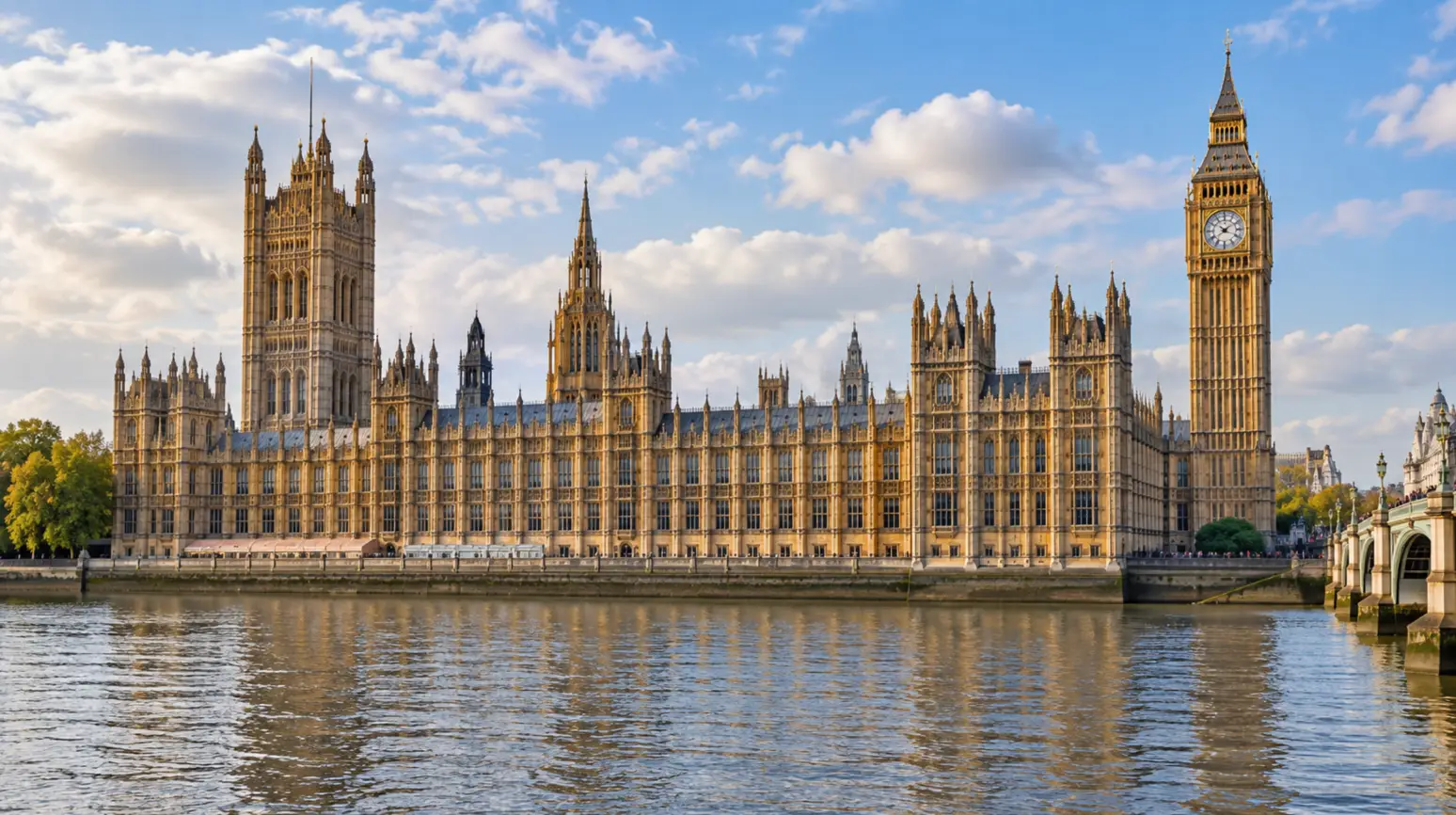
No. The government runs public administration and develops policy. Parliament makes laws, approves taxation and spending, and scrutinises the government.