Prorogation ends a session, not a Parliament
UK Parliament
The MPs' Guide to Procedure defines prorogation as the formal end of a session and dissolution as the formal end of a Parliament.
Based on: UK Parliament

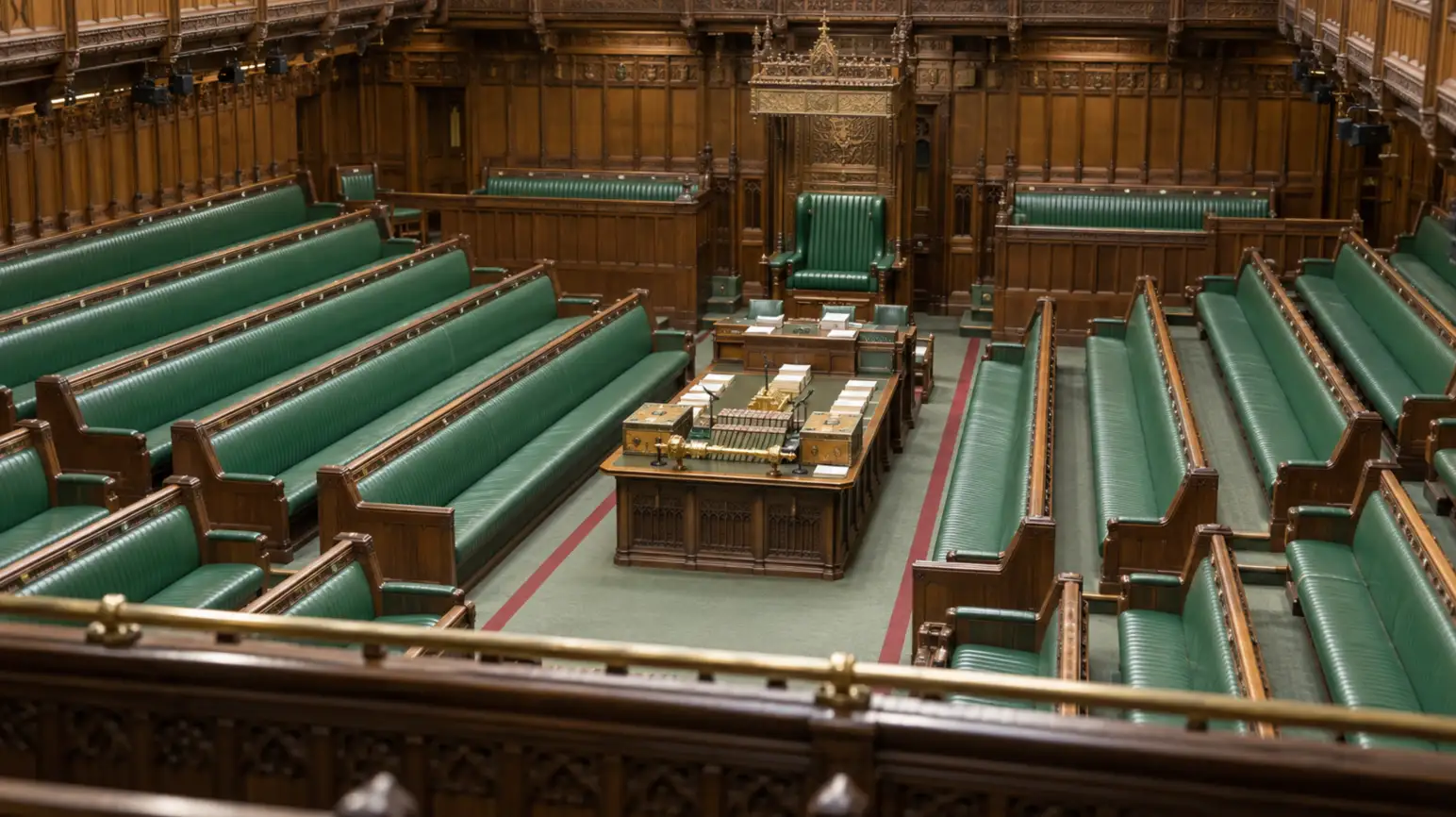
No. In the UK, prorogation ends a parliamentary session, while dissolution ends a Parliament. The two procedures have different consequences and are not interchangeable.
UK Parliament's procedural guide explicitly distinguishes them. The Institute for Government explains that a new session can begin with the same MPs after prorogation, whereas dissolution is followed by a general election and a new Parliament.
Prorogation can occur before dissolution, which helps explain the confusion. It also normally ends unfinished legislative business, although some bills can continue into the next session through an agreed carry-over procedure. Ending a session does not itself require voters to elect new MPs.
A parliamentary session can end without a general election. Prorogation and dissolution are separate procedures.
UK Parliament
The MPs' Guide to Procedure defines prorogation as the formal end of a session and dissolution as the formal end of a Parliament.
Based on: UK Parliament
Institute for Government
The explainer distinguishes reconvening with the same MPs after prorogation from electing a new Parliament after dissolution.
Based on: Institute for Government
UK Parliament
Parliament is usually prorogued before dissolution ahead of a general election. Some unfinished bills can be carried over between sessions.
Based on: UK Parliament
Was this check helpful?
Sign in required
Sign in required
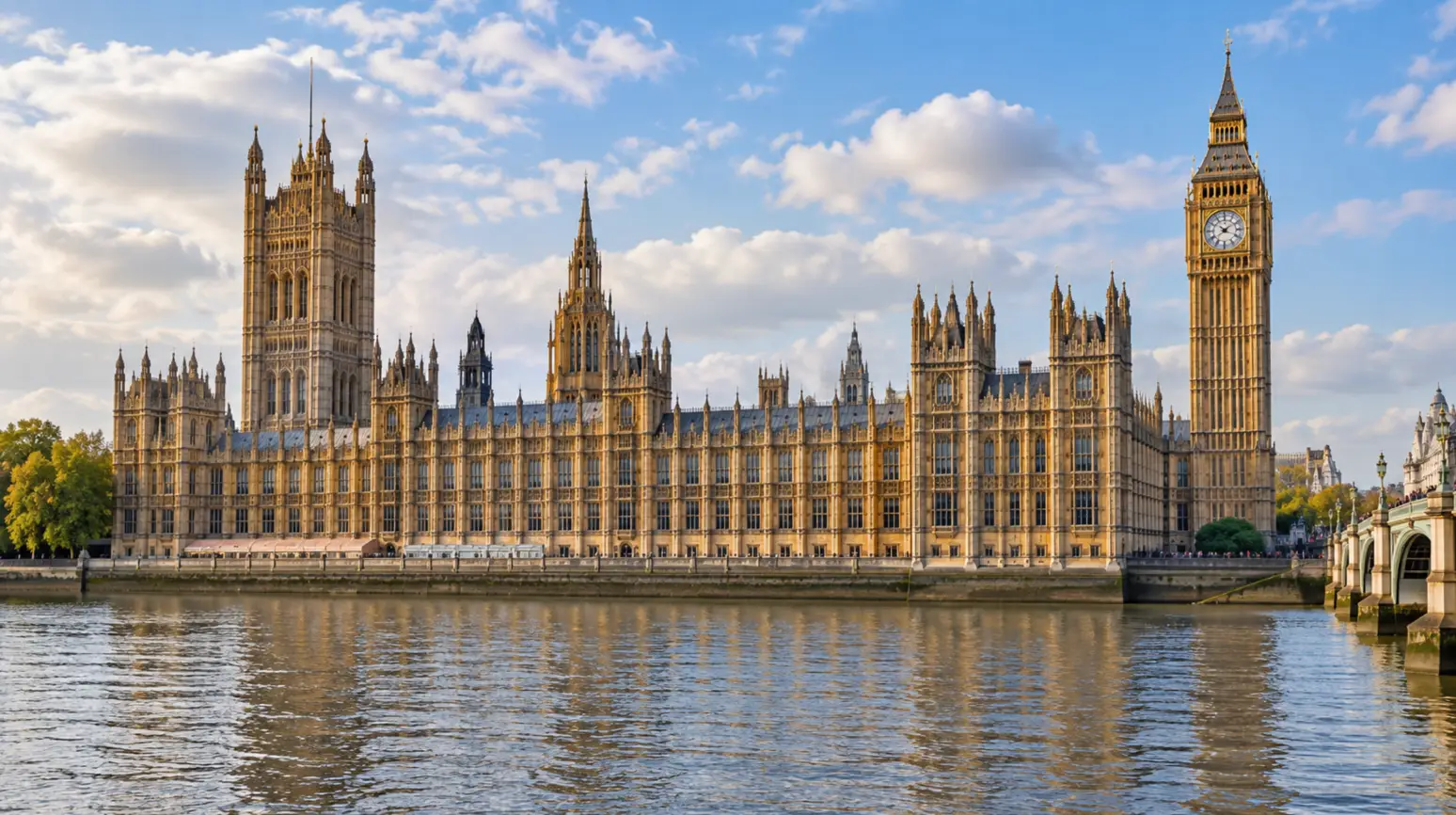
No. The government runs public administration and develops policy. Parliament makes laws, approves taxation and spending, and scrutinises the government.